


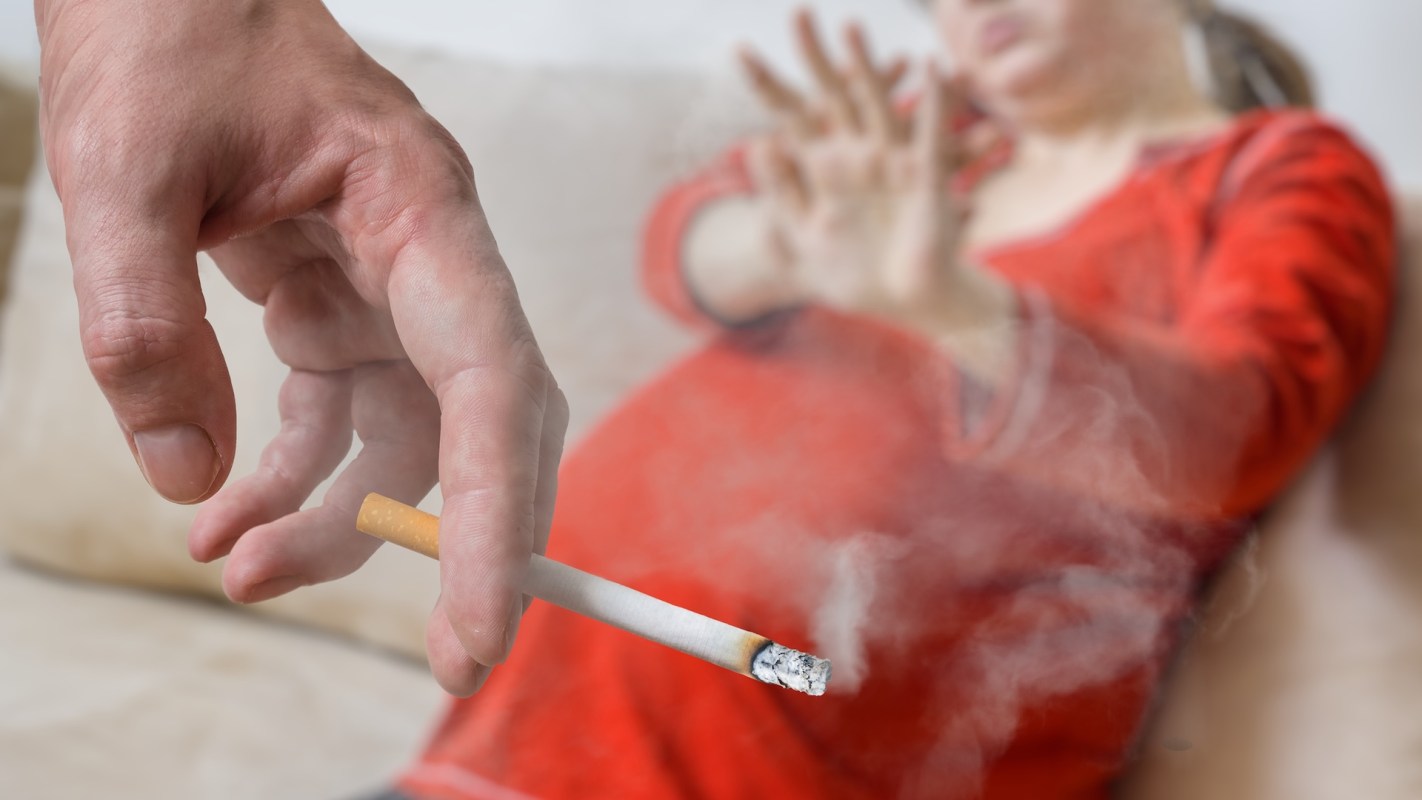
Cigarette smoking has become far less common in some parts of the world, especially among teens in the United States. But new research shows secondhand smoke is still causing enormous harm to people who never smoked themselves.
Researchers estimate that passive smoke exposure contributed to about 1.7 million deaths worldwide in 2023 alone.
Here's what to know
According to Gizmodo, an international team reviewed health and mortality data from 204 countries spanning 1990 to 2023 and estimated that 2.71 billion people were exposed to secondhand smoke in 2023, including 767 million children under age 15.
Published in The Lancet Public Health as part of the Global Burden of Diseases study, the research estimated that secondhand smoke led to 44.8 million disability-adjusted life-years, a measure of healthy life lost to illness or early death.
Lower respiratory infections were the leading cause of disability from secondhand smoke in children, while ischemic heart disease was the biggest contributor overall. Southeast Asia, East Asia, and Oceania reported the highest exposure levels, followed by North Africa and the Middle East.
The analysis also marked the first time the GBD project measured how secondhand smoke affected asthma risk. Asthma accounted for more than 3% of secondhand-smoke-related disability overall and about 6% among children.
TCD Picks » Quince Spotlight
💡These best-sellers from Quince deliver affordable, sustainable luxury for all




More background
Overall, the study tied secondhand smoke to heart disease, breathing problems, and serious illness in children.
Although age-adjusted global exposure to secondhand smoke fell by 22% between 1990 and 2023, population growth kept the total number of exposed people roughly steady. That means billions of people remain at risk.
In the United States and other countries, laws and other tobacco-control measures have helped drive a major drop in smoking, along with declines in lung cancer and other linked conditions.
The authors clearly summarized the scale of the issue: "We estimated that SHS remains a substantial driver of global health loss, particularly through cardiovascular and pediatric respiratory diseases."
What's being done?
The authors highlighted smoke-free laws as one of the most important ways to protect people. They noted that many countries still have limited laws, or none at all, aimed at curbing smoking in public areas, let alone smoking in general.
As the authors wrote: "As 70% of the global population remains unprotected by comprehensive smoke-free laws, these findings highlight the need for accelerated implementation of WHO Framework Convention on Tobacco Control Article 8, together with broader tobacco control measures to reduce active smoking."
Where can I learn more?
Secondhand tobacco smoke is part of a bigger air-quality problem. Harmful particles can take a toll on the body whether they come from cigarettes, wildfire smoke, or traffic-heavy cities. These articles examine how that kind of exposure affects people from North America to Delhi.
• Across North America, wildfire seasons have made smoke exposure resemble smoking half a pack of cigarettes a day.
• Worldwide, PM2.5 pollution still causes more than 250,000 deaths a year despite cleanup efforts.
• A Cambodian island tests smoke-free tourism as cleaner travel gains ground.
The common thread is hard to miss: People can suffer serious health damage from polluted air they never chose to breathe. It's a reminder of why stronger protections against smoke and other airborne pollutants matter.

Get TCD's free newsletters for easy tips, smart advice, and a chance to earn $5,000 toward home upgrades. To see more stories like this one, change your Google preferences here.






