


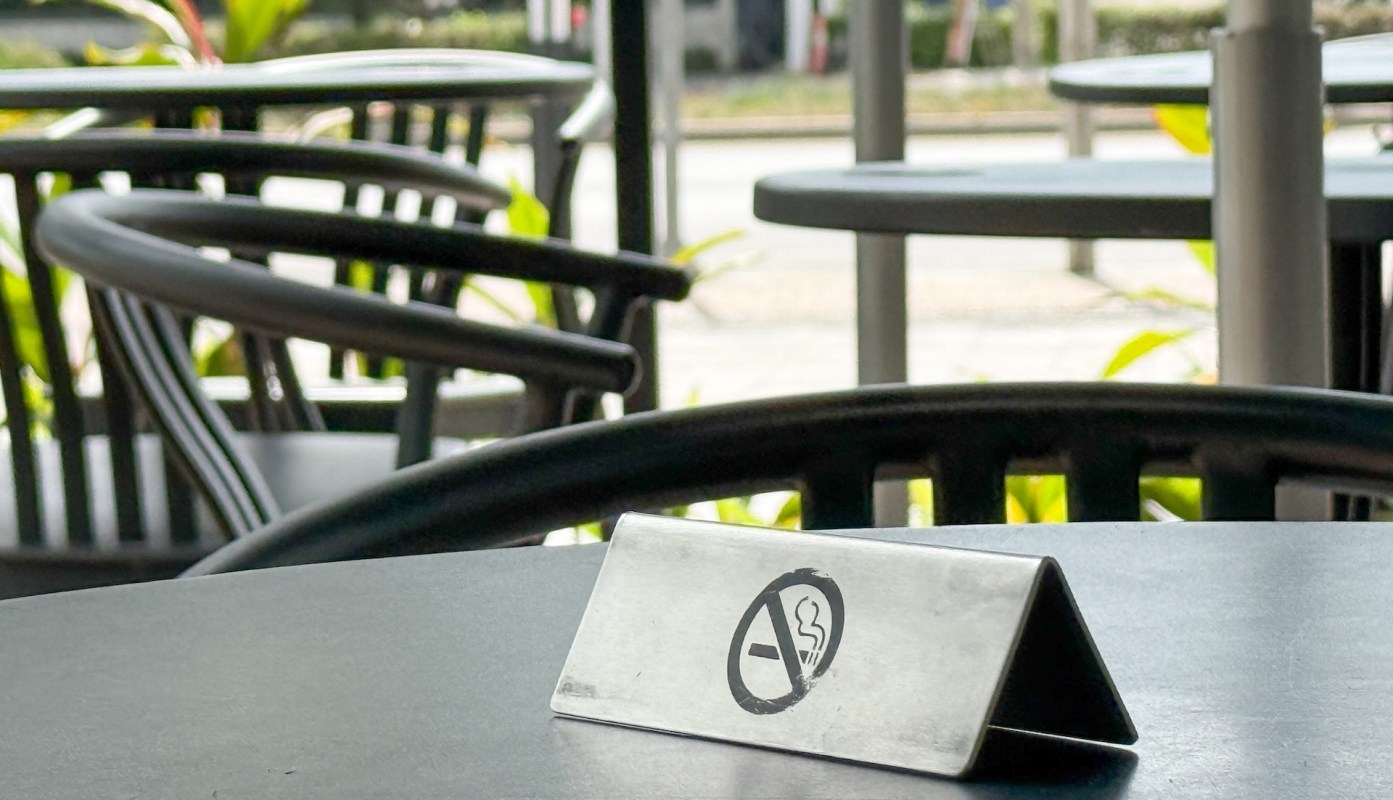
Cambodia's Koh Rong is best known for coral reefs, bright white beaches, and a backpacker-friendly party atmosphere. The island is also becoming a place to watch as smoke-free tourism begins to take shape.
If that effort sticks, one of the country's best-known coastal escapes could start to be defined by cleaner air, fewer cigarette butts, and a visitor experience with more emphasis on health.
What's happening?
A wider Cambodian anti-smoking campaign is starting to show up on Koh Rong, the country's second-largest island. As The Traveler reported, tourism hubs in Preah Sihanouk province are part of a multiyear plan to curb tobacco use and improve public spaces.
Travelers passing through ferry terminals, waiting areas, and buses are seeing more smoke-free signs and restrictions before they even reach the beach. Similar expectations are also starting to extend to boats, hotel lobbies, restaurant terraces, and other shared spaces on the island.
The change looks gradual rather than universal. Some resorts are advertising non-smoking rooms and designated smoking zones, while older properties and beach bars continue to operate under looser norms.
The shift suggests Koh Rong is trying to keep its nightlife while moving toward a cleaner, more tightly managed tourism model.
TCD Picks » Quince Spotlight
💡These best-sellers from Quince deliver affordable, sustainable luxury for all




Why does it matter?
Smoke-free policies can bring immediate benefits for both visitors and workers by reducing exposure to secondhand smoke in places such as restaurants, transit areas, and shared hotel spaces. For families, wellness travelers, and people with asthma or other respiratory concerns, that can make a vacation more comfortable.
There is also an environmental benefit. Cigarette butts are among the most common forms of litter in tourist areas, and on a beach destination known for marine life and snorkeling, reducing smoking waste can help support cleaner sand and healthier coastal ecosystems.
Seen more broadly, the policy points to a different way of managing growth. Koh Rong has expanded quickly and draws hundreds of thousands of visitors each year, and a smoke-free tourism model suggests Cambodia wants that rise to feel more modern, sustainable, and intentional.
Reviews and listings increasingly note whether properties offer smoke-free dining, non-smoking rooms, or clearly marked smoking areas, making cleaner air part of the booking decision.
What's being done?
Much of the momentum appears to be coming from resorts and tourism operators that already market themselves around sustainability, marine conservation, and low-impact travel. For those businesses, smoke-free dining spaces and controlled smoking areas fit alongside beach cleanups, eco-friendly construction, and nature-focused branding.
That could give larger or more internationally connected resorts an advantage in attracting guests seeking a quieter, cleaner stay. Smaller operators may feel pressure to adopt similar rules to stay competitive.
Koh Rong's varied tourism scene may also help the experiment succeed. Party-heavy areas around Koh Toch village may move more slowly, while quieter beaches and eco-oriented properties may be better positioned to curb smoking in shared spaces or establish fully smoke-free zones.
If the effort lasts, Koh Rong could serve as an example of how busy travel destinations adjust as visitor expectations evolve. The approach ties the island's beach appeal to better air quality, healthier shared areas, and a more accountable tourism model.

Get TCD's free newsletters for easy tips, smart advice, and a chance to earn $5,000 toward home upgrades. To see more stories like this one, change your Google preferences here.






