


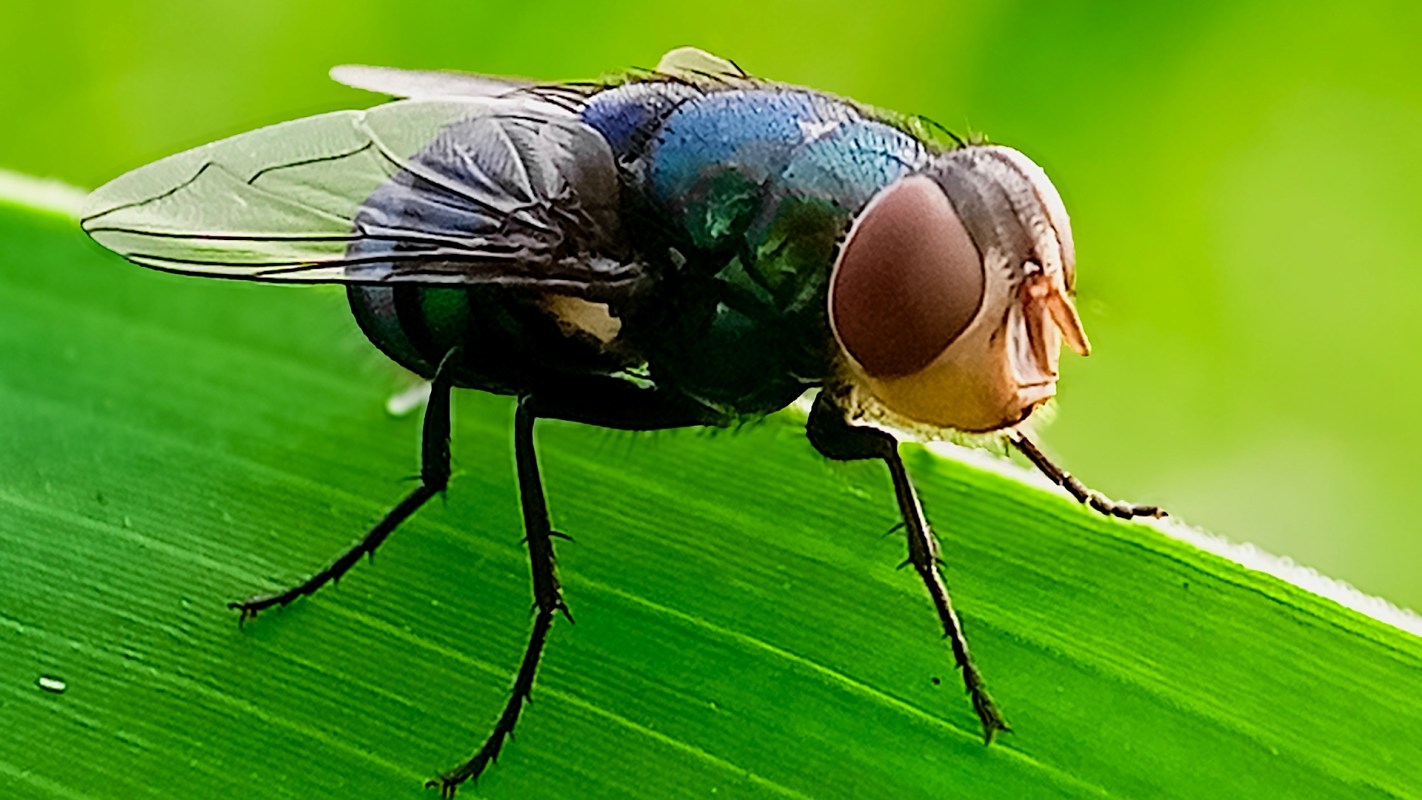
A flesh-eating fly that the United States stamped out decades ago is back, and Texas has confirmed its return for the first time in more than 50 years.
Scientists are responding with a surprisingly simple tool: a smarter, smellier trap.
What happened?
In June, Texas confirmed screwworm cases for the first time in more than half a century, and later reports found additional cases in livestock and dogs elsewhere in the state and in New Mexico, according to Popular Science.
At the University of Colorado, microbial ecologist Jessica Metcalf is investigating the bacterial odors the flies use when choosing places to reproduce.
"We use these bacterial cues to stay away from certain things—to not eat spoiled meat, for example," she explained. "The insects are using them for a different reason. They're like, 'Yes, bring it, that smells like a great place to lay eggs.'"
Those new cases emerged after Department of Government Efficiency-related funding cuts canceled plans to respond to the fly's return.
TCD Picks » Quince Spotlight
💡These best-sellers from Quince deliver affordable, sustainable luxury for all




Warm-blooded animals can become hosts when New World screwworm blowflies deposit eggs in exposed injuries.
Why does it matter?
Screwworm infestations can be deadly for animals, quickly becoming an economic and emotional burden for ranchers, pet owners, and rural communities.
When livestock are injured, a screwworm attack can turn a manageable wound into a severe health crisis.
That can mean higher veterinary costs, lost income, potential supply-chain disruptions, and more animal suffering — all of which can slow progress toward healthier, more resilient food systems.
Monitoring the threat is complicated by the traps commonly used in the field. Standard bait attracts not only the dangerous fly but also the secondary screwworm, a related but less harmful blowfly that prefers dead tissue.
Because both species can end up in the same traps, scientists and agriculture officials have a harder time identifying outbreaks quickly.
The sooner officials can tell where the New World screwworm is spreading, the better their chances of protecting herds, pets, and local economies before infestations multiply.
What's being done?
To make surveillance more precise, researchers are developing traps based on the bacteria-linked scents that appeal specifically to the New World screwworm. Rather than relying on the broad smell of rotting meat, they are trying to create bait that mimics odors associated with living tissue.
The dangerous fly and the less harmful secondary screwworm respond to different bacterial signals. By isolating the volatile compounds that attract the New World screwworm, scientists hope to improve surveillance and reduce false alarms.
Researchers are also examining bacteria carried by the flies themselves. Those microbes may infect hosts and help attract additional screwworms, and understanding them could help scientists create better lures that pull the insects away from livestock.
Checking animals for wounds, treating injuries quickly, and reporting suspicious infestations can help limit damage while better monitoring tools are developed.
"It turns out we can also leverage decomposition ecology, which relies heavily on blowflies and their bacterial partners, to improve surveillance and control of the New World screwworm," said Metcalf. "Because we had been working on the relationship among insects, bacteria, and animal decomposition for the last 15 years…we were well set up to tackle this problem."

Get TCD's free newsletters for easy tips, smart advice, and a chance to earn $5,000 toward home upgrades. To see more stories like this one, change your Google preferences here.






