


Getting older often comes with a set of bodily challenges like weaker muscles and more brittle bones. But now, University at Buffalo researchers say they may have identified how to restore a protein that declines in aging mice, which could help people stay healthier and more independent later in life.
The findings, which appear in the journal Aging and Disease, come from a six-year project supported by a $2.1 million National Institutes of Health grant.
The research centered on a protein called tristetraprolin, or TTP, and its role in what scientists refer to as "inflammaging." Inflammaging is a chronic, low-grade inflammatory state that builds over time and can damage tissues, Science Daily reported.
UB researcher Keith Kirkwood said, "These age-related changes, known as immunosenescence, lead to a decline in immune resilience and an increased susceptibility to age-related chronic inflammatory diseases."
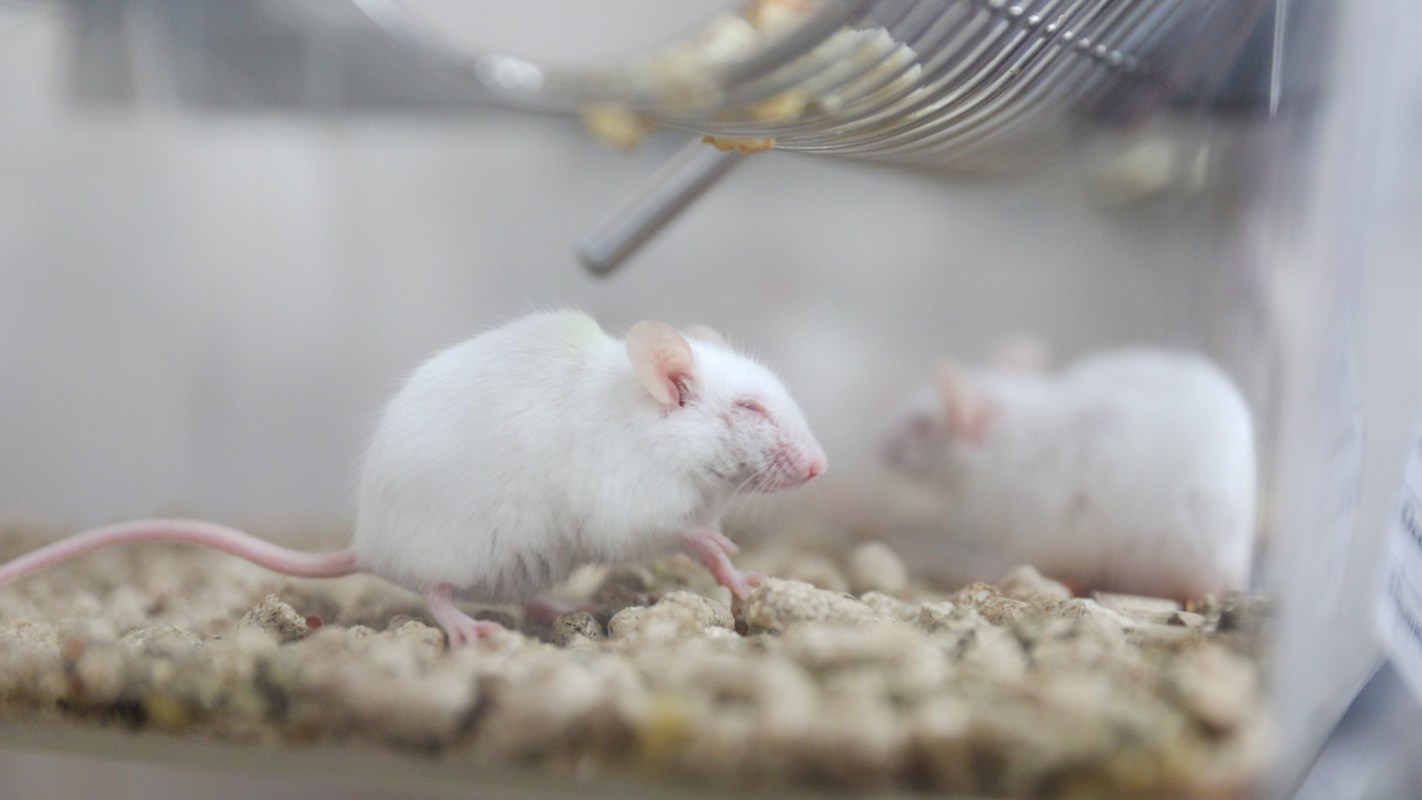
To study that process, researchers genetically modified 22-month-old mice, which were old for mice, so their TTP levels remained stable.
TTP helps the body break down inflammatory signals before they accumulate, making it an appealing candidate for future therapies.
TCD Picks » Quince Spotlight
💡These best-sellers from Quince deliver affordable, sustainable luxury for all




Male mice with elevated TTP had lower frailty scores and showed improvements in attributes like walking ability and bone health. Female mice's results were less pronounced but still good.
Frailty has been a significant concern for people. Kirkwood noted, as reported by Science Daily, that about 15% of adults 65 and older who are not in nursing homes are considered frail.
That can translate into a higher risk of falls, broken bones, and hospitalization.
The study reflects a growing shift toward improving "health span." That time is generally during the years people are able to remain active, resilient, and independent.
If scientists can better control age-related inflammation, that could eventually reduce strain on families, caregivers, and health systems. At the same time, it'll improve day-to-day life for older adults.
The team is also planning follow-up studies that will explore whether TTP might lessen neuroinflammation associated with dementia and Alzheimer's disease.
"I'm optimistic about where this research could lead and what we may learn as studies continue over time," Kirkwood said.
For now, though, this remains early-stage animal research, not a treatment available to patients.

Get TCD's free newsletters for easy tips, smart advice, and a chance to earn $5,000 toward home upgrades. To see more stories like this one, change your Google preferences here.






