


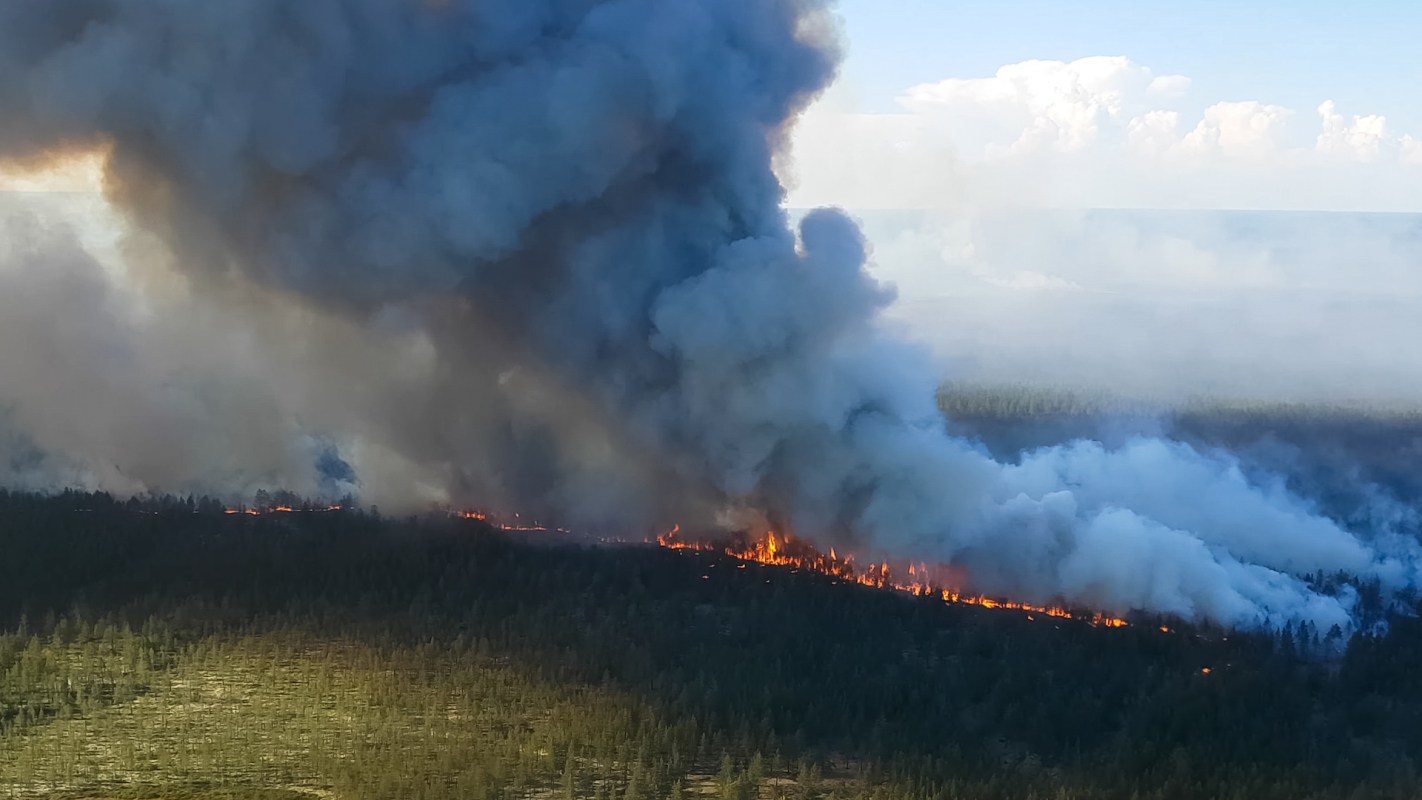
Satellite imagery this week captured wildfire smoke covering enough of Utah to be seen from orbit, according to a meteorologist.
What happened?
A satellite video loop posted by KUTV 2News meteorologist Chase Thomason, (@ChaseTheWxMan), showed smoke expanding across Utah as active fires burned around the region on Monday, June 22.
@chasethewxman 🔥 Wildfire #smoke plumes were easy to spot FROM SPACE today. #Utah now has five active #wildfires burning, with four more just across the border in Arizona, Nevada, and Idaho. Watch how these fires rapidly grew throughout the day in this #satellite ♬ A Room That Breathes - Jhony Blade
The caption reads: "Wildfire smoke plumes were easy to spot FROM SPACE today. Utah now has five active wildfires burning, with four more just across the border in Arizona, Nevada, and Idaho. Watch how these fires rapidly grew throughout the day in this satellite loop."
One commenter added, "6 now apparently one just started by eagle mountain."
"You can barely even see the mountains anymore … the air is so bad," another added.
One person wrote, "I legit am having the worst asthma off my life."
TCD Picks » Quince Spotlight
💡These best-sellers from Quince deliver affordable, sustainable luxury for all




Why does it matter?
Fine particle pollution from smoke can irritate the lungs, trigger asthma, worsen heart and respiratory conditions. It can also make it dangerous for anyone to spend time outside, especially children, older adults, and anyone with existing health concerns.
Hotter, drier conditions can help fires spread faster and burn more intensely. They threaten homes, public health, and local economies.
One commenter wrote, "Dare I say this is because of global warming." While any single fire has multiple causes, scientists have long warned that rising temperatures can create conditions that make destructive wildfire seasons more likely.
What can I do?
If wildfire smoke is moving into your area, limit outdoor exertion, and keep windows and doors closed when air quality is poor. Use air purifiers or high-efficiency HVAC filters if you have them. People with asthma or other respiratory issues may also want to keep medications nearby and follow local air quality alerts.
It can also help to check official maps for fire activity and smoke forecasts before commuting, exercising, or traveling.
Because conditions can shift quickly, satellite imagery like this can help show the scale of a smoke event, but local emergency guidance should remain the go-to source for safety decisions. If you've got a local meteorologist like Thomason, it doesn't hurt to pay attention to them too.

Get TCD's free newsletters for easy tips, smart advice, and a chance to earn $5,000 toward home upgrades. To see more stories like this one, change your Google preferences here.






