


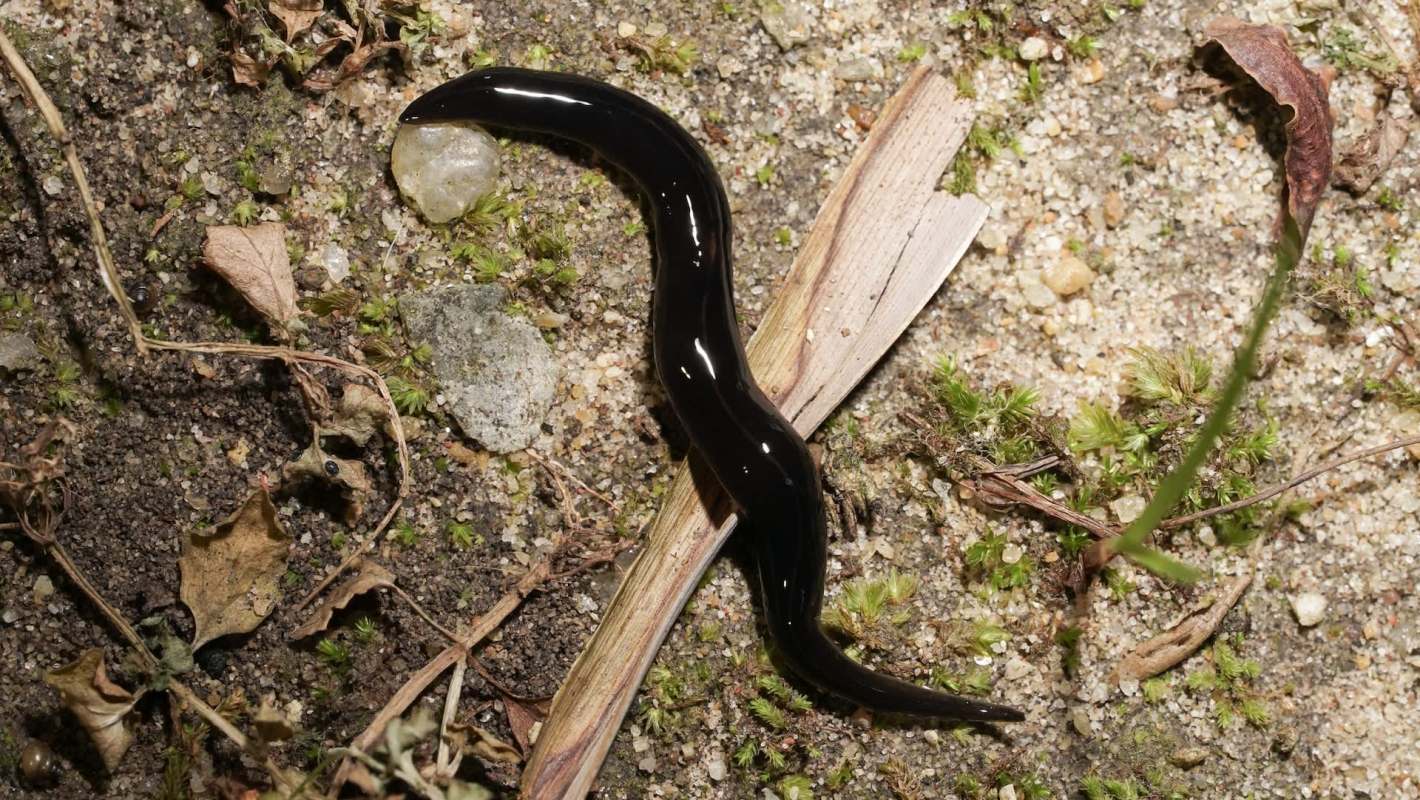
A species introduced to address one invasive species problem in Samoa ended up fueling another — and far more destructive — ecological crisis.
What seemed like a practical way to protect crops from giant African snails instead helped drive vulnerable native snails into steep decline, according to El Cronista.
Here's what to know
An immediate concern in the 1990s was Achatina fulica — also known as Lissachatina fulica — a crop-damaging invasive snail.
To suppress it, Samoa brought in the New Guinea flatworm, Platydemus manokwari. The introduced flatworm did not remain focused on that species.
It also consumed native land snails, including species that had never evolved defenses against any similar predators on land. Later studies recorded releases on Savai'i in 1996-1998 and 2001 and concluded that the flatworm had reached Upolu by the late 1990s.
Many Pacific island snails exist only within extremely limited ranges.
TCD Picks » Quince Spotlight
💡These best-sellers from Quince deliver affordable, sustainable luxury for all




When a new predator arrives, a single island — or even a small part of that island — can lose species found nowhere else on Earth.
The U.S. Fish and Wildlife Service lists Platydemus manokwari as a threat to native land snails, adding that some Pacific island snail losses have been linked to this predator.
More background
Because the New Guinea flatworm is a generalist predator, its impact was never confined to one prey species. After release, it fed regardless of whether a snail was the invasive target or a native species.
That left Samoa's native species especially vulnerable.
The flatworm moves along the ground and up vegetation, so even tree-dwelling snails were not necessarily protected. Researchers documented declines in partulid tree snail populations in areas where the predator was present.
Samoa's experience also fits into a broader history of biological control efforts across the Pacific that backfired.
Other Pacific islands tried similar predator introductions, including snail species in the genus Euglandina, to curb giant African snails. Those efforts often did little to control the invasive pest and instead added to endemic snail declines and extinctions.
What's being done?
Island ecosystems support agriculture, water systems, forest health, and cultural identity. When biodiversity is disrupted, it can upset the natural balance that people depend on.
In places such as American Samoa, federal officials have identified the flatworm as a threat to specific native snails.
Not every snail disappearance in Samoa can be blamed solely on the flatworm — some populations were already declining, and habitat change may also have played a role.
Where can I learn more?
For more on how invasive snails — and failed control efforts — can upend ecosystems, these articles offer useful context. They cover Pacific tree snail recovery and other damaging snail invasions.
• Across Polynesia, scientists and zookeepers are helping previously "extinct" tree snails return to the wild.
• In U.S. lakes, apple-sized invasive snails are chewing through habitat and destabilizing ecosystems.
• In Nova Scotia, officials are finding Chinese mystery snails more often in their fishnets.

Get TCD's free newsletters for easy tips, smart advice, and a chance to earn $5,000 toward home upgrades. To see more stories like this one, change your Google preferences here.






