


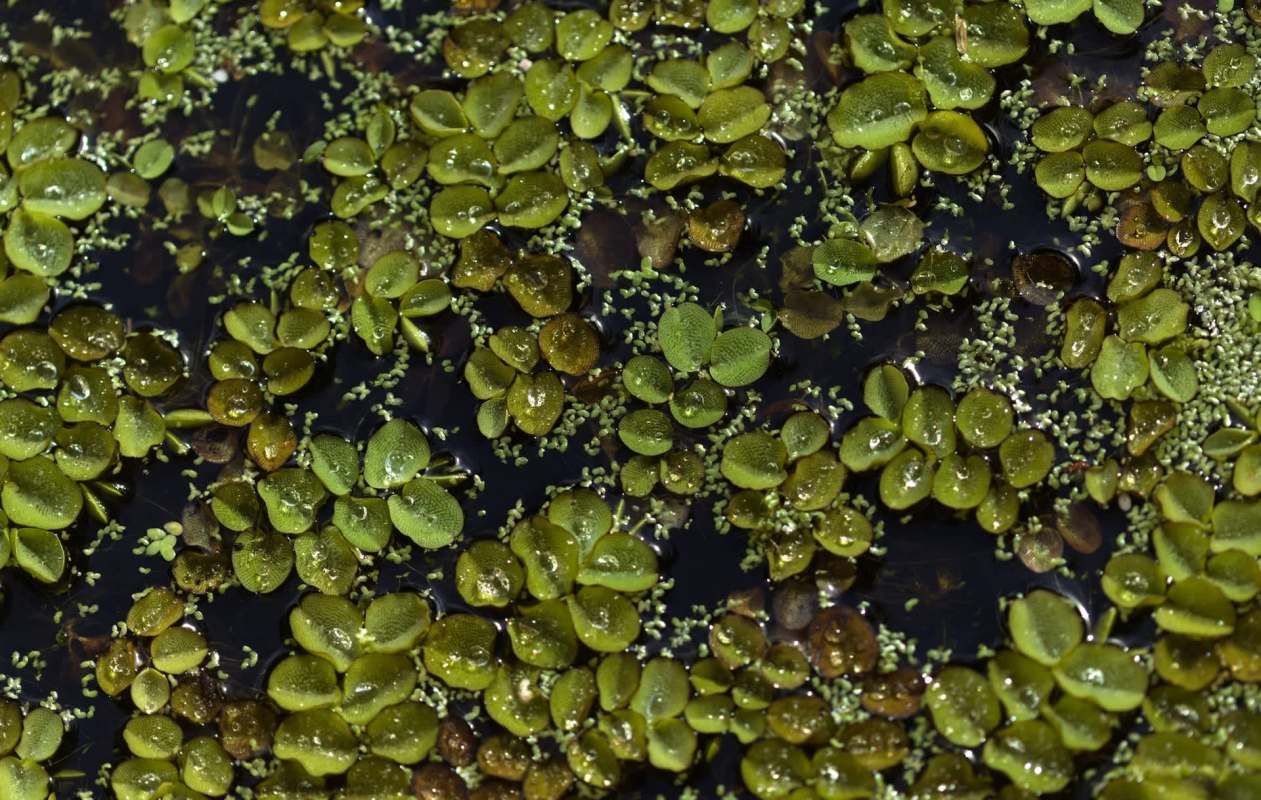
Freshwater ecosystems have long contended with Salvinia molesta, a floating fern that can nearly double its biomass every 36 hours and has become one of their most troublesome invaders, according to Earth.com.
The fern is established in freshwater habitats in more than 60 countries and is considered one of the world's 100 most invasive species.
Researchers said the biology that fuels that rapid expansion may also point toward a more effective way to control it.
What happened?
New research appears to answer a question that has lingered for decades about Salvinia molesta. Years of misclassification made it harder to understand why the plant has been so successful at taking over waterways worldwide, Earth.com reported.
By examining the fern's genome, the researchers concluded that earlier descriptions of S. molesta were incorrect. Rather than the allopentaploid that scientists had long assumed, they identified it as a diploid hybrid with two sets of chromosomes, each inherited from two parent species that remain unknown.
Sexual reproduction breaks down because those two chromosome sets fail to align correctly during meiosis.
TCD Picks » Quince Spotlight
💡These best-sellers from Quince deliver affordable, sustainable luxury for all




"When the plant tries to undergo meiosis, those differences prevent proper chromosome pairing. No viable spores form. The plant cannot reproduce sexually," Yanã Rizzieri, first author of the study and a graduate student involved in the lab, told Earth.com.
The fern multiplies another way instead: Pieces break away and grow into new plants that are genetically identical to the original.
"Our findings show that the evolution of Salvinia genomes is very dynamic, more like that in flowering plants than in most ferns that have large genomes," Erin Sigel, a researcher involved in the project from the University of New Hampshire, said, per Earth.com.
Why does it matter?
When S. molesta forms thick mats on the water's surface, it blocks sunlight and reduces oxygen levels, putting the life beneath it under stress. Those conditions can disrupt fishing and boating, degrade water quality, and damage the broader ecosystem.
For control efforts, the study offers one potentially helpful insight. Because S. molesta reproduces clonally, the invasive populations examined by the researchers were almost genetically identical.
In practical terms, that could make management more predictable: A treatment that works in one location may also succeed in many others, reducing trial and error for water managers and potentially lowering the time and cost of restoring lakes and ponds.
A better understanding of the weed's biology could help speed cleaner, more reliable freshwater recovery in affected areas.

Get TCD's free newsletters for easy tips, smart advice, and a chance to earn $5,000 toward home upgrades. To see more stories like this one, change your Google preferences here.






