


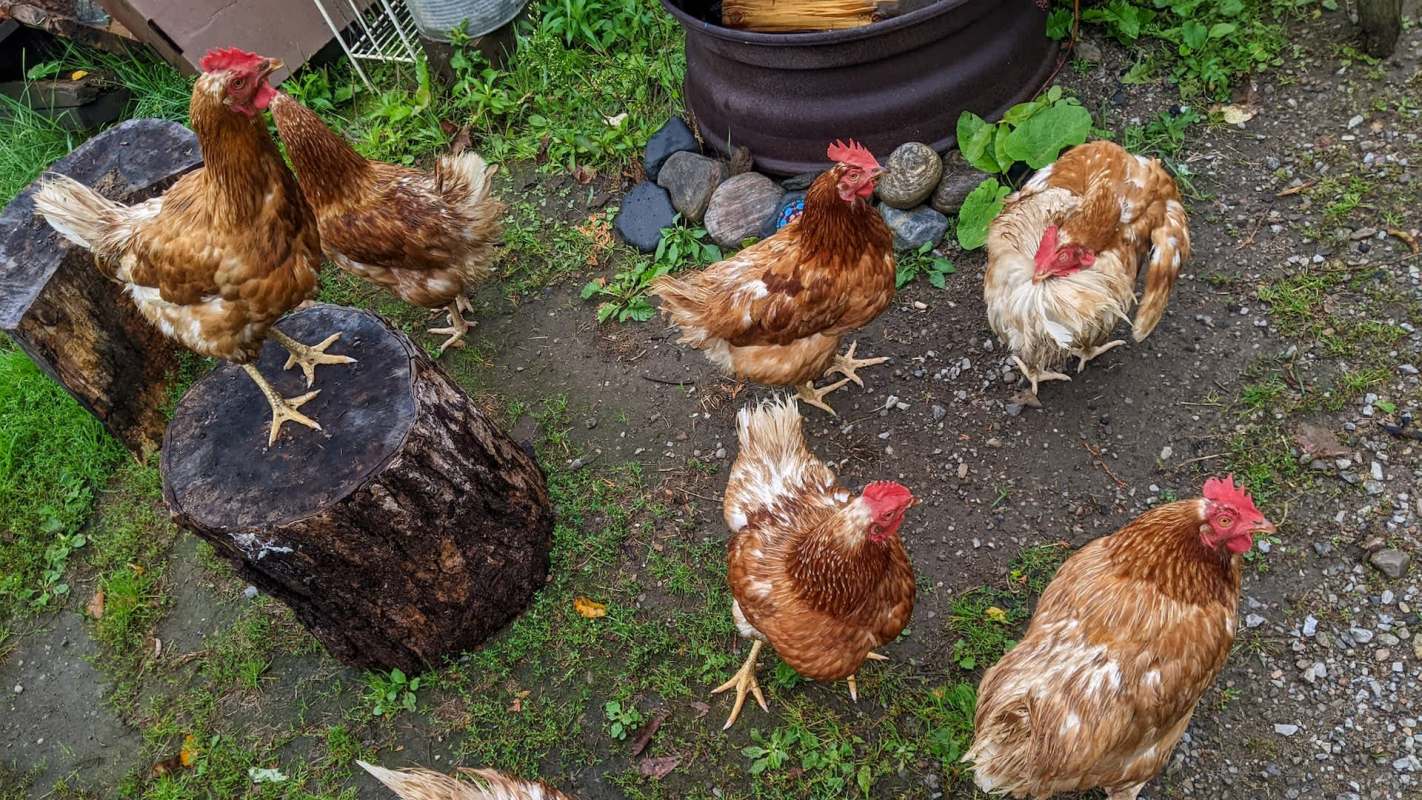
Backyard chickens and ducks are once again being linked to salmonella outbreaks in the U.S.
The Centers for Disease Control and Prevention has added 150 cases since April 23, along with dozens of hospitalizations and one reported death after three recent multistate outbreaks.
What's happening?
The CDC says three multistate salmonella outbreaks tied to backyard poultry flocks have sickened far more people than earlier counts indicated. Since April 23, the agency has logged 150 additional illnesses, while noting that the true number is likely higher because many infections are never confirmed through testing, according to a Food Safety News article.
The three strains involved are Salmonella Saintpaul, Salmonella Mbandaka, and Salmonella Enteritidis. At least 54 people have been hospitalized, and a Washington state resident has died.
Children younger than 5 account for more than a quarter of those infected, though the median patient age is 31. Investigators say the illnesses appear to be tied to five hatcheries that supply birds to retailers.
The largest outbreak involves Salmonella Saintpaul, with 133 reported cases. People in that cluster were more likely to report exposure to ducklings or ducks, including Pekin ducks, while patients in the other outbreaks more often reported contact with chicks and chickens.
TCD Picks » Quince Spotlight
💡These best-sellers from Quince deliver affordable, sustainable luxury for all




Backyard poultry can carry salmonella without appearing sick, meaning people may not realize they are being exposed.
Severe illness is more likely in young children, older adults, pregnant people, and anyone with a weakened immune system. Symptoms can include diarrhea, fever and stomach cramps beginning within 12 to 72 hours after exposure, and some infections require hospitalization.
One earlier outbreak ran from late December 2024 to early September 2025 and infected at least 559 people, including two who died. The CDC continues to issue alerts.
What can I do?
If you keep backyard poultry, the CDC says careful hygiene is the best way to reduce the risk. Wash your hands thoroughly after touching birds or eggs.
Collect eggs often and cook them until the yolks and whites are fully firm. Avoid kissing or snuggling birds. Children should be supervised around poultry and helped with handwashing afterward.
Anyone who develops diarrhea, fever, or stomach cramps after exposure to birds should seek medical care and tell a doctor about that exposure. The CDC says special tests may be needed because salmonellosis can resemble other illnesses, and some infected people can spread it even if they never feel sick.
"It's fairly common to have several salmonella outbreaks involving backyard flocks at the same time," Brian Ronholm, director of food policy for Consumer Reports, said. "Multiple strains can exist in the chicken's gut and all those chicks can contaminate the store where they are sold and pass it on to other chicks at the store."

Get TCD's free newsletters for easy tips, smart advice, and a chance to earn $5,000 toward home upgrades. To see more stories like this one, change your Google preferences here.






