


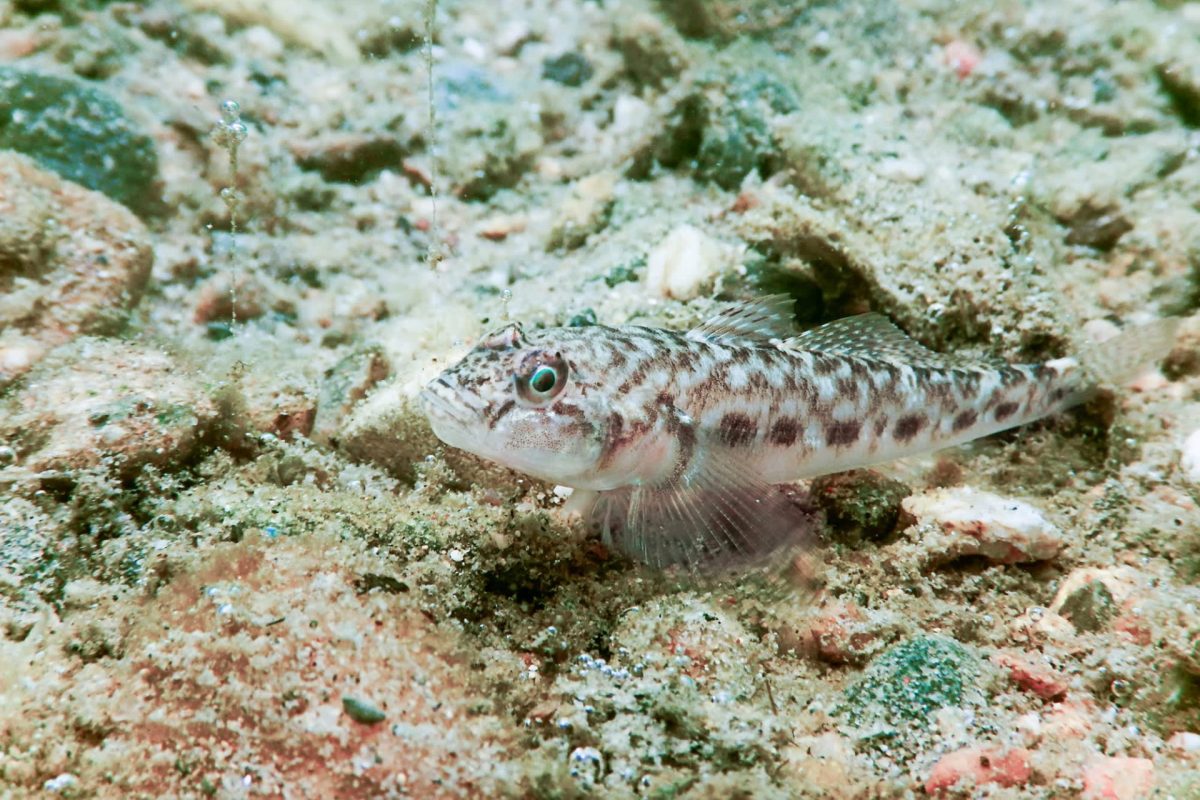
A fish about the size of a thumb has become one of the Great Lakes' most stubborn invaders. In some places, round gobies crowd the lake bottom so tightly that more than 100 have been found within a single square meter.
Renewed attention to that spread comes from an explainer by WorldAtlas, which followed the species from its first detection in the St. Clair River in 1990 to all five Great Lakes roughly five years later.
What happened?
WorldAtlas identifies the round goby as a fish native to waters around the Black, Azov, and Caspian seas. The outlet says cargo ships likely introduced it to North America in the late 1980s through discharged ballast water, after which it established itself along rocky shorelines, in harbors, and at river mouths across the Great Lakes.
According to WorldAtlas, the invasion was likely sped up by more than the fish's own movement. Commercial shipping appears to have carried gobies between distant Great Lakes ports.
WorldAtlas also cited genetic evidence showing some goby populations more closely match faraway groups than nearby ones, pointing to multiple introductions across the basin.
Round gobies also took advantage of zebra and quagga mussels that had arrived earlier. Those mussels altered the lake floor in ways that created concentrated food and shelter, and gobies can feed on them directly, tapping a resource many native fish do not use as easily.
TCD Picks » Quince Spotlight
💡These best-sellers from Quince deliver affordable, sustainable luxury for all




Why does it matter?
The Great Lakes provide drinking water, recreation, fishing income, and a sense of identity for millions of people. When an invasive species disrupts the food web, the effects can spread from the lake floor to surrounding communities and local economies.
Native bottom-dwelling fish are among the species under pressure. WorldAtlas noted that round gobies compete with darters and sculpins for shelter and spawning areas, and that they also eat eggs and young fish from species including lake trout, lake sturgeon, and smallmouth bass.
That adds pressure to native species already dealing with habitat loss and other environmental stressors.
Round gobies may also change how contamination moves through the ecosystem. Because they feed heavily on zebra and quagga mussels, which can accumulate pollutants such as PCBs, those contaminants can then be passed up to larger predator fish.
Some predators, including walleye, yellow perch, smallmouth bass, and the Lake Erie watersnake, have adapted to eating gobies.
What are people saying?
WorldAtlas cited researchers who say the fish's rapid spread reflects a potent mix of traits, including fast breeding, a broad tolerance for harsh conditions, and aggressive use of habitat occupied by native species. Scientists have described the invasion as one of the quickest fish takeovers ever recorded.
Experts do not view the spread as over. Gobies have been found above dams in places they likely reached only with help from anglers, boats, bait buckets, and fishing gear.

Get TCD's free newsletters for easy tips, smart advice, and a chance to earn $5,000 toward home upgrades. To see more stories like this one, change your Google preferences here.






