


A breakdown at a coal-fired generating unit on Oct. 17 collapsed Sri Lanka's national grid, and the country is responding with islandwide one-hour power cuts starting Oct. 19, according to The Straits Times.
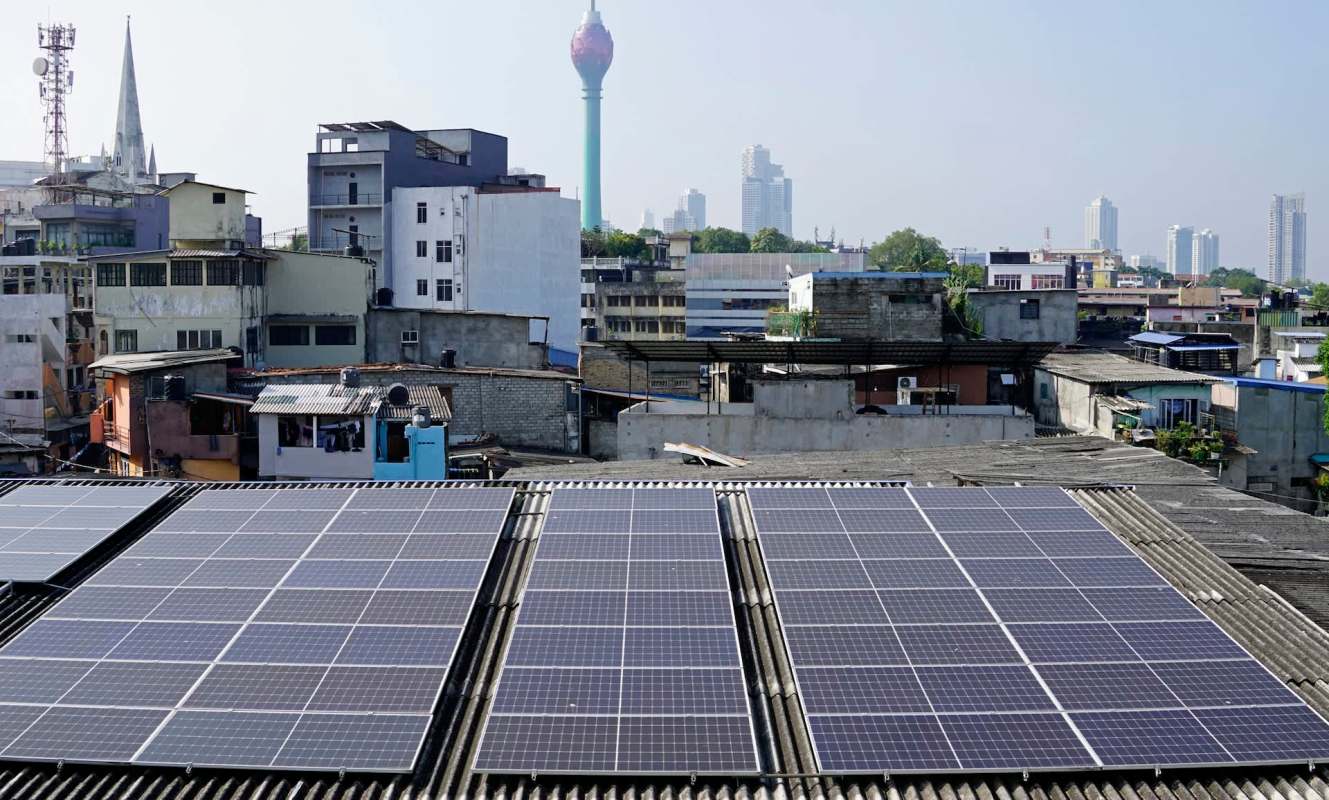
Officials needed about 11 hours to restore service, and the large number of rooftop solar systems feeding power during the outage made it harder to stabilize the restart.
Here's what to know
Sri Lanka's state electricity utility plans to rotate one-hour outages during a four-hour evening block on Oct. 19. Officials said the measure is a short-term way to cover the supply loss after the grid failure, and they expect the rationing to continue for three days.
Buddhika Samarasekara, a utility spokesman, said the Oct. 17 blackout began when one of the three generators at the 900-megawatt coal-fired complex north of Colombo malfunctioned.
That failure removed 300 megawatts from the system, Samarasekara said.
Government tax breaks have pushed more consumers to install solar panels and feed surplus electricity into the grid. The utility, however, still struggles to manage those power flows when supply and demand suddenly fall out of balance.
TCD Picks » Quince Spotlight
💡These best-sellers from Quince deliver affordable, sustainable luxury for all




More background
According to The Straits Times, power was not fully restored for about 11 hours on Oct. 17 because authorities repeatedly urged solar owners to switch off their systems while the grid was being stabilized and restarted.
This is not the first nationwide disruption in Sri Lanka linked to balancing solar output. In February 2025, the entire grid also went down after solar generation rose above consumption on a bright, sunny day.
Sri Lanka has just over 3,000 megawatts of installed solar capacity, while daytime demand typically ranges from 2,000 to 2,500 megawatts.
One fault at a 900-megawatt coal complex was enough to trigger nationwide cuts.
Coal and natural gas plants also contribute to air and water pollution linked to asthma, heart disease, cancer, and premature death, while fuel-based power systems can keep household energy costs high compared with electricity generated from abundant sunlight and wind.
What's being done?
The immediate response is controlled rationing.
Starting Oct. 19, the utility is distributing one-hour outages across a four-hour evening window to manage the 300-megawatt shortfall while work continues to return the coal unit to service.
Grid operators are also relying on direct coordination with solar owners during emergencies.
During the Oct. 17 restart, officials repeatedly asked households and businesses to disconnect rooftop systems to steady the national network.
The government targets solar generation capacity of almost 4,400 megawatts, a 388% jump from 2024.
The country will also need better ways to manage excess daytime electricity that rooftop systems feed into the grid, so tax-supported solar growth doesn't bring more instability during outages and restarts.
The most immediate challenge is the missing coal capacity.
Buddhika Samarasekara said, "We now have a shortage of 300MW. We will have this problem until the coal plant is restarted and connected."

Get TCD's free newsletters for easy tips, smart advice, and a chance to earn $5,000 toward home upgrades. To see more stories like this one, change your Google preferences here.






