


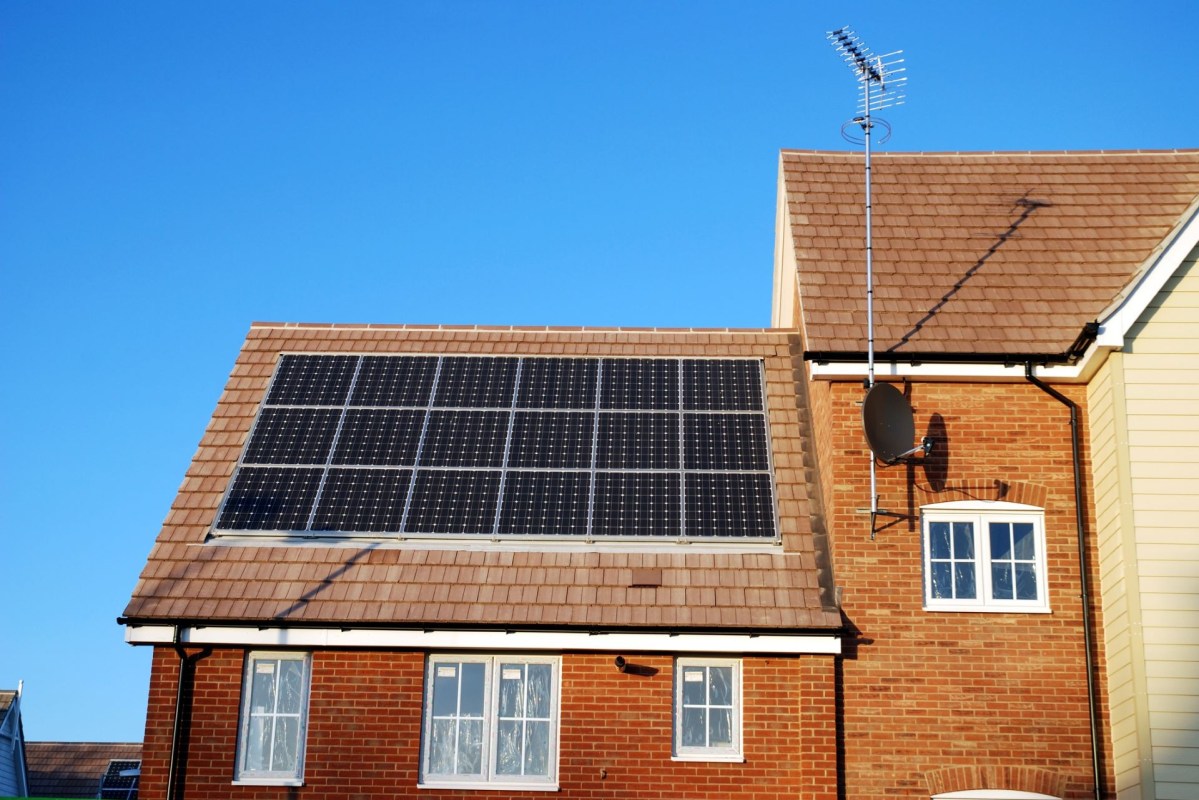
Cutting electricity costs is the usual pitch for rooftop solar, but studies indicate the panels may also help blunt extreme summer heat by slightly cooling buildings and even urban areas.
Modeling from a 2024 paper on Greater London suggested that widespread rooftop solar during the 2018 heat event might have lowered average outdoor temperatures across the city by about half a degree Fahrenheit, according to Techy44.
What's happening?
Published in Nature Cities in 2024, the London analysis estimated 786 heat-related deaths in Greater London during that three-month period.
Under the study's scenario with broad rooftop solar coverage, the researchers estimated that 96 of those deaths, about 12%, might have been avoided.
Those numbers came from modeling, not from observed deaths directly prevented by existing panels.
Part of the cooling effect is simple: panels shade the roof surface, and the gap beneath them can allow some trapped heat to dissipate.
At a laboratory building, University of California San Diego researchers measured daytime ceiling temperatures about 5°F lower beneath solar panels than beneath an exposed roof, and the roof absorbed roughly 38% less heat.
Eurostat said renewables accounted for 45.5% of electricity generation in the European Union during the first quarter of 2026, up from 42.7% in the first quarter of 2025.
Save $10,000 on solar panels without even sharing your phone number Want to go solar but not sure who to trust? EnergySage has your back with free and transparent quotes from fully vetted providers that can help you save as much as $10k on installation. To get started, just answer a few questions about your home — no phone number required. Within a day or two, EnergySage will email you the best local options for your needs, and their expert advisers can help you compare quotes and pick a winner. |

Going solar is also one of the best ways to save money on home energy. If you want to see what it could cost at your home, you can use EnergySage to get quick solar installation estimates and compare quotes.
Why is it important?
Solar may be especially useful during heat waves because its output tends to peak when cooling demand is highest.
Ember estimated that, during a June 2026 heat wave, a typical United Kingdom home with rooftop solar generated enough electricity to run a whole-home air-conditioning setup for around five hours per day.
Because that timing lines up so well, households can cut power bills, reduce some indoor heat gain, and produce cleaner electricity at the same time.
More From EnergySage
💡Go deep on the latest news and trends shaping the residential solar landscape




The London study found that highly reflective cool roofs would have delivered a bigger modeled temperature drop, meaning rooftop solar is not a one-size-fits-all solution.
University of California San Diego environmental engineering professor Jan Kleissl said, "There are more efficient ways to passively cool buildings, such as reflective roof membranes."
What's being done?
Factors including roof age and condition, nearby shade, panel layout, warranties, storage choices, and whether a system is owned or leased can all affect how much value solar actually adds.
Tools like EnergySage's solar map can also show the average cost of a home solar panel system in each state, along with local incentives — resources that can help readers get the best price for rooftop solar panels and access available incentives.
EnergySage's free services can also make comparison shopping much easier. With EnergySage's help, the average person can save up to $10,000 on solar purchases and installations. Its quote-comparison tools give homeowners a clearer view of equipment, pricing, and financing before signing a contract.
Adding battery storage to a solar setup is one of the best ways to protect your home during outages, save money on energy, and go off-grid. Homeowners can explore EnergySage for information about home battery storage options, including competitive installation estimates.

Get TCD's free newsletters for easy tips, smart advice, and a chance to earn $5,000 toward home upgrades. To see more stories like this one, change your Google preferences here.






