


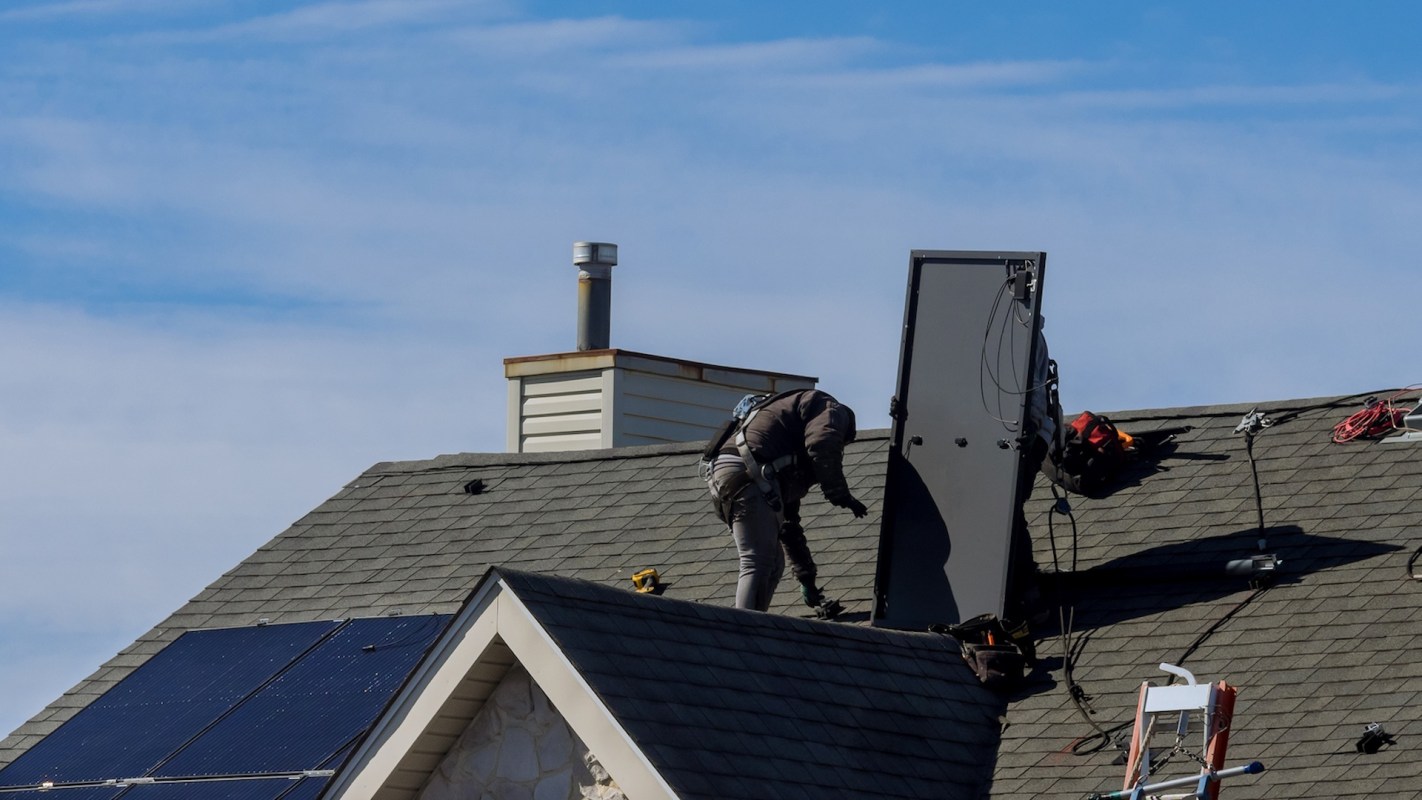
Installing rooftop solar may depend as much on household dynamics as on price tags and payback calculations. A new study indicates that in many U.S. homes, one highly committed person helps turn interest into action.
According to Ohio State University, the work suggests that when one household member is especially eager to see the project through and take on the necessary tasks, solar plans are more likely to end in an actual installation.
What happened?
In the Nature Energy paper led by OSU researchers, the team combined interviews with 39 couples and survey responses from 394 household representatives. Across both parts of the research, homes where people were aligned on the goal and split up responsibilities tended to adopt solar, while households marked by opposition were more likely to stall out.
Nicole Sintov, an Ohio State associate professor who studies how people make decisions around sustainability and the study's senior author, said the results reveal a blind spot in the way solar adoption is often discussed.
"This introduces an opportunity for policy and interventions because if we're targeting incentives or communication campaigns to a household or one member of a household, that's probably not enough. We need to figure out how to support these champions," she said.
Broad support inside the home also appeared to matter: households were more likely to adopt solar when other members backed the idea. The researchers said conflict could also accompany progress, since a family that keeps debating a stressful project may still be working its way toward a decision.
For families weighing high upfront costs against long-term savings, going solar is one of the best ways to save money on home energy. It's pretty easy these days, too, with free tools like EnergySage allowing anyone to get quick solar installation estimates and compare quotes.
Why does it matter?
The researchers said residential solar still reaches only about 8% of U.S. households. Given that rooftop systems can cut utility costs, lower air pollution, and strengthen a home's resilience, many more families could potentially benefit.
Save $10,000 on solar panels without even sharing your phone number Want to go solar but not sure who to trust? EnergySage has your back with free and transparent quotes from fully vetted providers that can help you save as much as $10k on installation. To get started, just answer a few questions about your home — no phone number required. Within a day or two, EnergySage will email you the best local options for your needs, and their expert advisers can help you compare quotes and pick a winner. |

Sintov said the larger issue is ensuring that clean technology is not only available but also actually used.
"There are all of these decarbonization technologies available, including rooftop solar and heat pumps, but if people don't adopt them, then what good are they?" she said.
The paper treated big household purchases as a group decision instead of a call any one household member makes alone. In that view, the outcome of a money-saving home upgrade can hinge on how family members share tasks, align priorities, and handle disagreements.
Cleaner home energy can mean lower monthly bills, fewer pollution-related health burdens, and a more comfortable home that is less vulnerable to grid disruptions.
More From EnergySage
💡Go deep on the latest news and trends shaping the residential solar landscape


What's being done?
Sintov said she is already applying the findings in work with nonprofit organizations, helping couples build coordination skills and creating worksheets that map out goals and split up responsibilities after home energy audits. The Ohio State researchers also floated workshops and step-by-step conversation guides that could help households work through unexpected concerns before they derail a project.
EnergySage's free services can help make that process easier for homeowners who are interested but unsure where to begin. With EnergySage's help, the average person can save up to $10,000 on solar purchases and installations. Homeowners can also use EnergySage's solar map, which shows the average cost of a home solar panel system on a state-by-state level as well as details on solar panel incentives for each state, helping readers get the best price for rooftop solar panels and access available incentives.
Adding battery storage to a solar setup is one of the best ways to protect your home during outages, save money on energy, and go off grid. Homeowners can explore EnergySage for information about home battery storage options, including competitive installation estimates.
Sintov said, "This is a relational process. At minimum, policy and other interventions can help facilitate the coordination process." She added, "There's very real potential that this applies to a whole bunch of different household decision-making."

Get TCD's free newsletters for easy tips, smart advice, and a chance to earn $5,000 toward home upgrades. To see more stories like this one, change your Google preferences here.






