


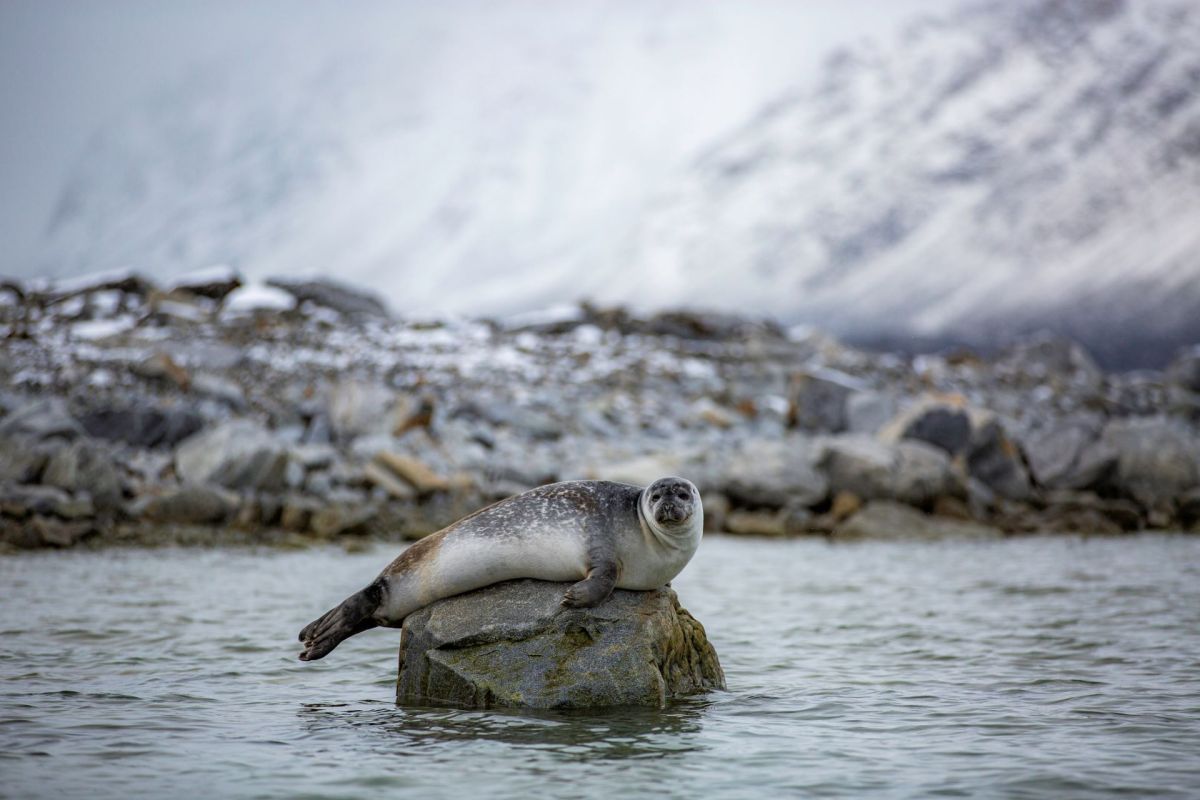
Arctic ringed seals face numerous threats. A study recently published in Environmental Research found that toxins may pose health risks to the animals and that rising temperatures may worsen these impacts while also affecting the animals' habitats and diets.
What's happening?
As sea ice continues to melt due to rising global temperatures, conditions in the Arctic may no longer support ringed seals. According to the National Wildlife Federation, these animals rarely come to shore and are largely dependent on sea ice for survival, including as a pathway to nutrient-rich food.
A group of Canada-based researchers analyzing blood, blubber, and liver samples taken from ringed seals from 2009 to 2011 found that warmer Arctic conditions may be changing the types and amounts of food the animals can access. This may also alter their exposure to certain contaminants, including polychlorinated biphenyls and dichlorodiphenyltrichloroethane.
"We've found that warmer conditions can change what they feed on, which changes their contaminant exposure, and that can affect their overall health and survival," Tanya Brown, the study's senior author and a marine mammal ecotoxicologist, said in a media release from Simon Fraser University in British Columbia.
With warming temperatures melting icy landscapes and affecting what prey the animals can reach, malnutrition may also shift how these contaminants are stored in the body.
"Thinner, nutritionally stressed seals redistribute the contaminants they had stored in their blubber back into the bloodstream, which then circulates through their entire system," lead author Anaïs Remili said in the release.
The university also noted that "these long‑lasting contaminants — several of which are banned internationally — are known to cause oxidative stress," which may be linked to inflammation, chronic disease, tissue injury, and reproductive concerns.
Why is this concerning?
Ringed seals are a key species. They're a primary prey for polar bears and are central to Indigenous food systems across the Arctic.
According to Pinnguaq, seals are a staple food for Inuit communities, with their skin and fat used for clothing and lamp fuel, respectively.
If rising temperatures, ice loss, and persistent contaminants impact seal populations, food security could be threatened in remote regions already facing high grocery costs and limited alternatives.
TCD Picks » Quince Spotlight
💡These best-sellers from Quince deliver affordable, sustainable luxury for all




|
Which of these savings plans for rooftop solar panels would be most appealing for you?
Click your choice to see results and speak your mind. |
 Save $1,000 this year 💸
 What's being done about these contaminants?
Although polychlorinated biphenyls and dichlorodiphenyltrichloroethane were banned in many countries decades ago, they persist in the environment today.
Brown said in the university release that changes in ocean currents could even flush more of these pollutants into the Arctic. "Healthy seal populations are essential for food security and cultural continuity," Brown added.
Researchers continue to study the impact of global warming on Arctic and Subarctic animals. Understanding critical environmental issues like this can also help individuals make smarter decisions for the planet, including advocating for proactive, effective regulation of potentially harmful chemicals.

Get TCD's free newsletters for easy tips to save more, waste less, and make smarter choices — and earn up to $5,000 toward clean upgrades in TCD's exclusive Rewards Club.
Cool Picks





