


Can a country built around cattle and grass keep its peatlands from drying out and sinking without pulling farmland out of production?
In the Netherlands, researchers and farmers think an unlikely answer might be taking shape: rice could be the fix.
Here's what to know
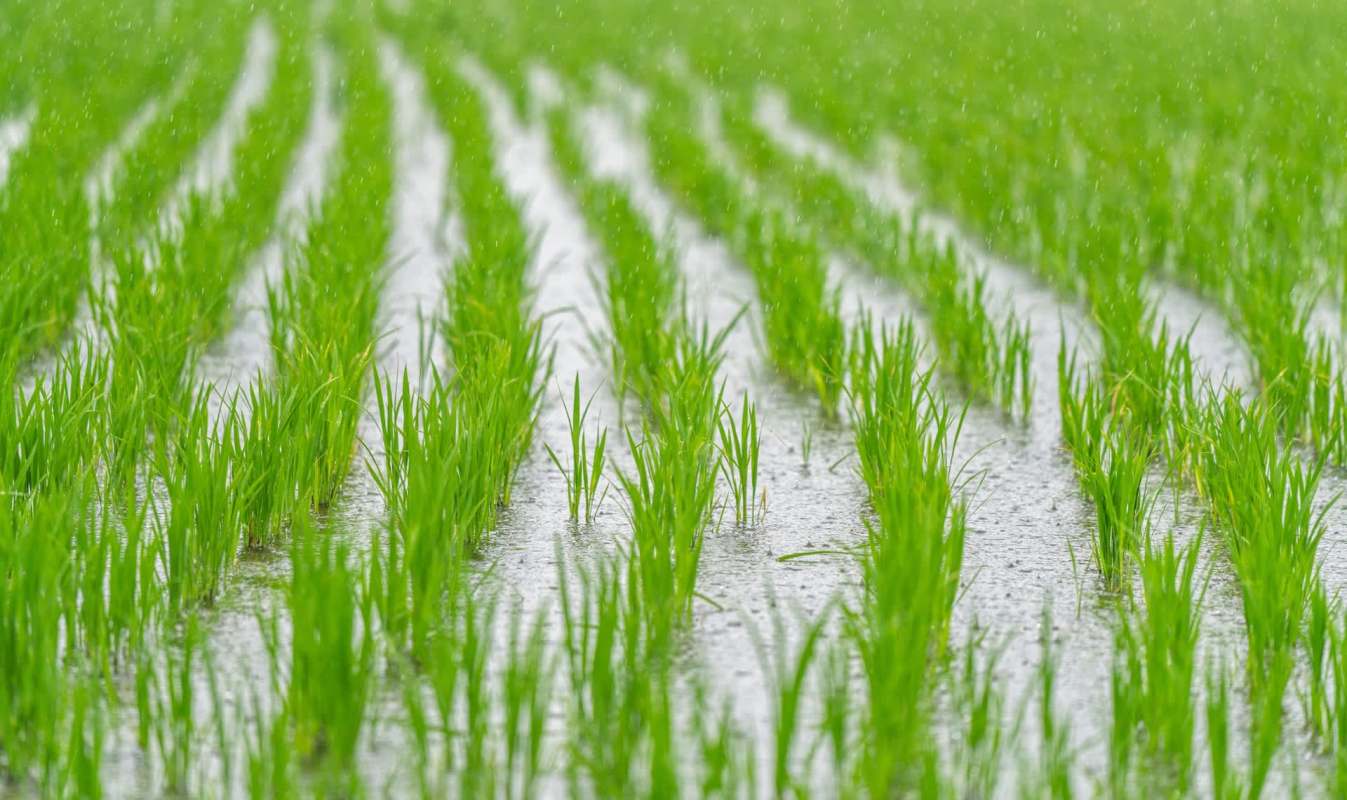
Organizers say the Dutch trial could produce about 3.3 tons of short-grain rice suited to dishes like sushi or risotto, even though the test area covers only 1.5 acres (0.6 hectares). According to Euronews, that harvest came from a pilot plot in a waterlogged field between Amsterdam and The Hague.
The experiment is also meant to address a peatland issue. Peat soils make up about one-tenth of the Netherlands, and much of that terrain has been drained so farmers can grow grass for cattle. Once the peat dries, it emits carbon dioxide and the ground begins to sink.
Julian Helfenstein, who Euronews described as a Wageningen University and Research researcher collaborating with colleagues from Leiden University on the project, said, "Rice is an opportunity for this part of the world to adapt to climate change, so to grow something that previously wasn't possible."
"But also to mitigate climate change because it stops this peat from degrading and emitting all the CO2 because you can keep it wet," he added.
TCD Picks » Quince Spotlight
💡These best-sellers from Quince deliver affordable, sustainable luxury for all




More background
According to Wageningen University figures, the Netherlands' peat soils account for about 2% to 3% of the country's air pollution. The damage is most visible in the worst-affected areas, where the surface can drop by more than an inch, or several centimeters, a year.
That outcome still feels startling to some of the people involved. Philippe Terheggen, chairman of the Land van Ons association that supplied the fields, called the harvest "extraordinary" and said, "We would never have thought maybe 20 years ago that we would be able to grow rice in the Netherlands."
Researchers are comparing carbon dioxide and methane emissions from rice fields with those from drained grassland to determine whether the switch delivers a real climate benefit. Helfenstein said, "So far the results are promising."
What's being done?
To find out what can handle the Dutch climate, the pilot is growing roughly 30 rice varieties from places including Russia, China, Japan, and Uzbekistan. Guusje van der Vossen of the Wij Land association, which helps farmers shift toward more sustainable production, said a grain from northern Japan appears especially well suited so far.
For farmer Sander Roeleveld, who is harvesting the crop, part of the point is to challenge assumptions about soggy farmland. He hopes the experiment broadens what other farmers think is possible on wet land. "My goal is to show that more things are possible on wetland than just grass," he said.
If that proves true, the benefits won't stop at our climate. Van der Vossen said local restaurants are already showing interest in premium Dutch-grown rice, and the crop could eventually be used for sushi and even sake. For readers curious about building more meals around grains and other lower-impact foods, check out the TCD Guide's page on plant-based options.
As Helfenstein put it, "And then here's an opportunity for science to work also towards a solution. So I find that thrilling."

Get TCD's free newsletters for easy tips, smart advice, and a chance to earn $5,000 toward home upgrades. To see more stories like this one, change your Google preferences here.






