


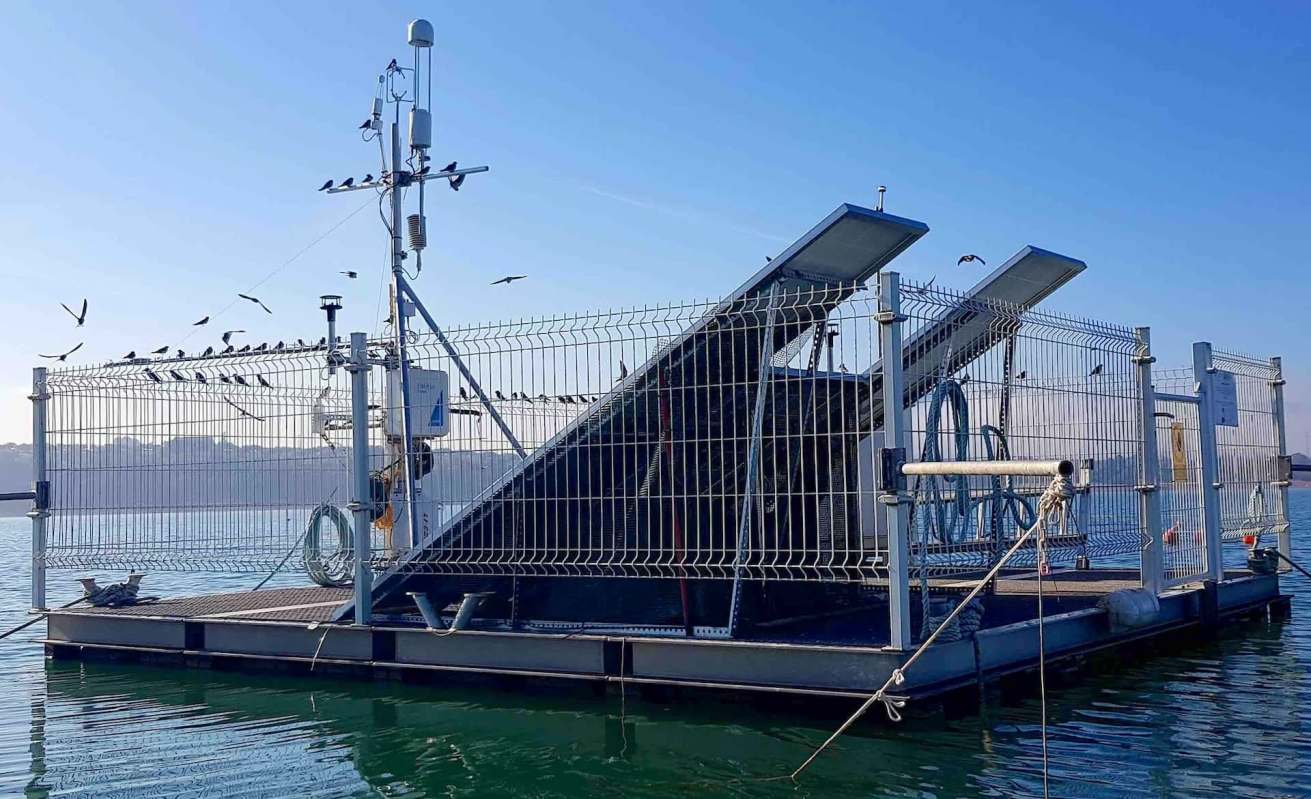
As drought drives water levels lower, a Spanish reservoir may be releasing much more methane into the atmosphere than usual, a reminder that climate impacts can set off feedback loops that make warming even worse.
New research found that the reservoir gave off much more methane in especially dry years, even though its carbon dioxide output stayed nearly unchanged.
What's happening?
At the Cubillas Reservoir, researchers from the University of Granada used a floating platform to continuously monitor greenhouse gas exchange with the eddy-covariance method. Because the system collected data over long periods, it captured changes over time instead of depending on brief sampling periods. Their findings were published in Global Change Biology.
During more severe drought conditions and periods of lower stored water, methane emissions increased substantially, while carbon dioxide remained fairly steady.
Their analysis suggests that dropping water levels encourage sediment activity that releases methane, with bubbling, or ebullition, accounting for much of that escape. As the reservoir contracts, submerged mud and organic matter can contribute more of this especially potent heat-trapping gas.
The study suggests that more frequent and intense drought could cause reservoirs to emit more methane than previously expected, further underscoring their role as sources of greenhouse gases.
TCD Picks » Quince Spotlight
💡These best-sellers from Quince deliver affordable, sustainable luxury for all




Why does it matter?
Falling water levels do not just signal drought stress, they may also unlock more methane. As dry spells intensify, that hidden reservoir pollution could become harder to ignore.
Methane does not remain in the atmosphere as long as carbon dioxide, but it traps far more heat in the near term. Surges in methane emissions can intensify warming over the next few decades.
Reservoirs are often discussed in terms of water storage, hydropower, irrigation, and recreation. This study found that when drought lowers water levels, these systems may also become bigger sources of climate pollution. Extreme dryness can worsen the same warming trends that help drive harsher droughts in the first place.
Worsening extreme weather disasters endanger lives and livelihoods in immediate ways. Drought can strain drinking water supplies, damage crops, raise food prices, and increase wildfire risk, while heat waves and smoke can worsen respiratory illness, heart problems, and other public health threats.
Communities can also face economic instability when farms, utilities, and local businesses are forced to adapt to shrinking water resources and more volatile conditions.
If reservoir methane rises during drought, officials may need to account for those emissions more carefully when managing water systems and setting pollution-reduction goals.
What's being done?
Studies like this one help scientists move beyond rough estimates and better understand how emissions change in real time as weather and water conditions shift. That kind of monitoring can give policymakers a more accurate picture of reservoirs' true climate impact.
Water managers may also be able to use this kind of research to guide reservoir operations, sediment management, and drought planning. While there is no simple fix for every site, understanding when and why methane surges happen is the first step toward reducing them.
More broadly, cutting climate pollution remains essential. The hotter and drier conditions linked to climate change can intensify reservoir emissions, so reducing methane and carbon pollution from energy, transportation, and industry can help limit the broader cycle.

Get TCD's free newsletters for easy tips, smart advice, and a chance to earn $5,000 toward home upgrades. To see more stories like this one, change your Google preferences here.






