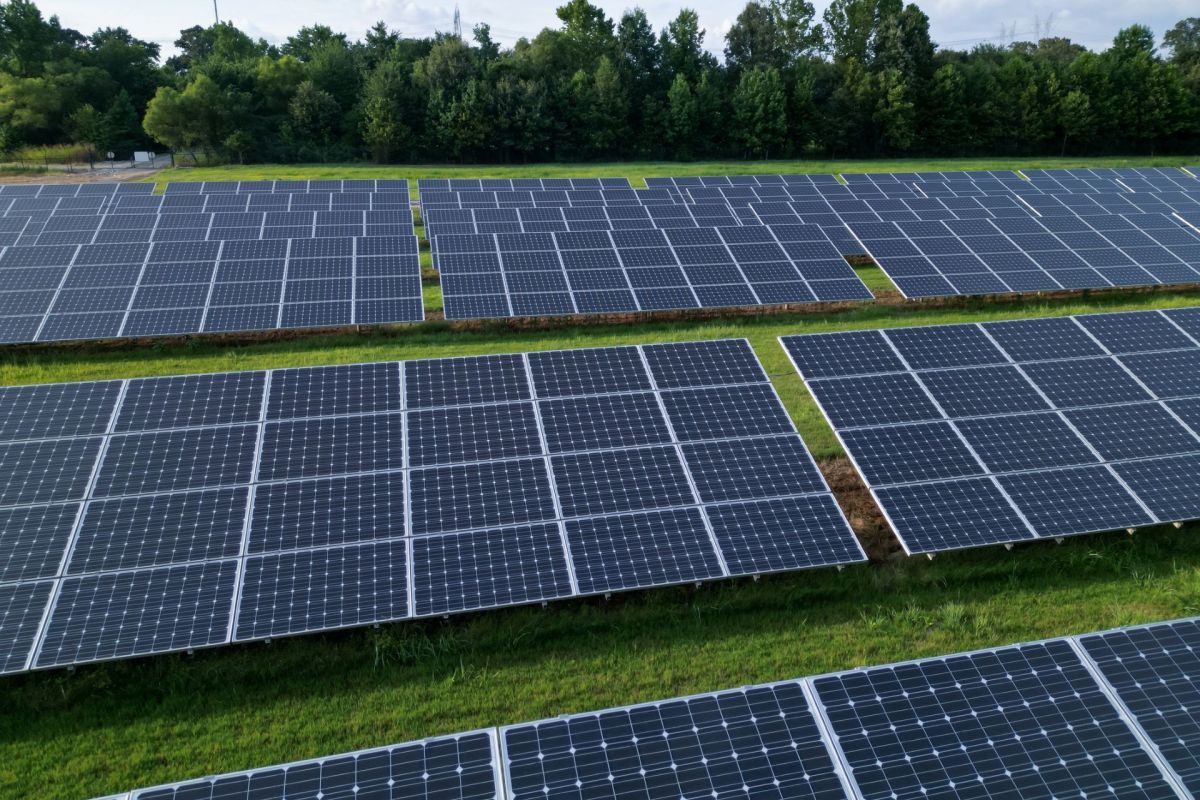
Big solar farms often make headlines when nearby residents object, but new national research suggests those disputes are far less common than the coverage may make them seem.
Most large solar projects across the United States are moving forward with limited public pushback, a contrast to the way utility-scale solar development is often portrayed.
What's happening?
A new study from the University of Massachusetts Amherst, published in Energy Research & Social Science, examined 686 utility-scale solar projects that began operating between January 2022 and November 2023.
The researchers found that 56% of those projects fell into "no" or "low" conflict categories, while 19% experienced high conflict. In other words, most major solar developments were built without the kind of fierce backlash that tends to generate headlines.
Lead author Juniper Katz said that the gap between perception and reality helped inspire the study.
"All I saw in the news was conflict, conflict, conflict over solar," Katz said, according to Electrek. "But there was really very little research that operationalized what conflict means and looked at it from a national scale to understand if the appearance of conflict was as prevalent as it seemed."
TCD Picks » Good Store Spotlight
Get 10% off your next purchase with code TCD10




The team also found that projects approved through state-level permitting systems generally faced less conflict than those reviewed through local or hybrid systems. Katz noted, however, that more research is needed before concluding that one system works better than another.
Why does it matter?
The findings come as electricity demand is rising, partly because of the rapid growth of data centers, and as utilities and governments try to add generation while limiting further increases in electricity costs.
Large-scale solar can expand the electricity supply using a source that does not require ongoing fuel purchases, helping support more stable energy costs while reducing pollution associated with power generation.
The study also found that although larger solar farms were more likely to encounter resistance, the share of Democratic voters in nearby communities showed no statistically significant connection to opposition levels.
TCD Picks » Quince Spotlight
💡These best-sellers from Quince deliver affordable, sustainable luxury for all




That suggests solar siting debates may be more complex than simple red-state-versus-blue-state narratives. A better understanding of what drives conflict could help planners move projects forward more smoothly and bring cleaner, more affordable electricity online faster.
What can I do?
EnergySage offers free tools to compare competitive bids from local installers and can help save 20-30% compared with going it alone.
Homeowners can also pair solar panels with efficient electric appliances to bring utility costs down even further. EnergySage can help find the right setup for a home and budget.
For those not ready to buy, Palmetto's $0-down LightReach solar leasing program can lower your utility rate by up to 20%.

Get TCD's free newsletters for easy tips, smart advice, and a chance to earn $5,000 toward home upgrades. To see more stories like this one, change your Google preferences here.