


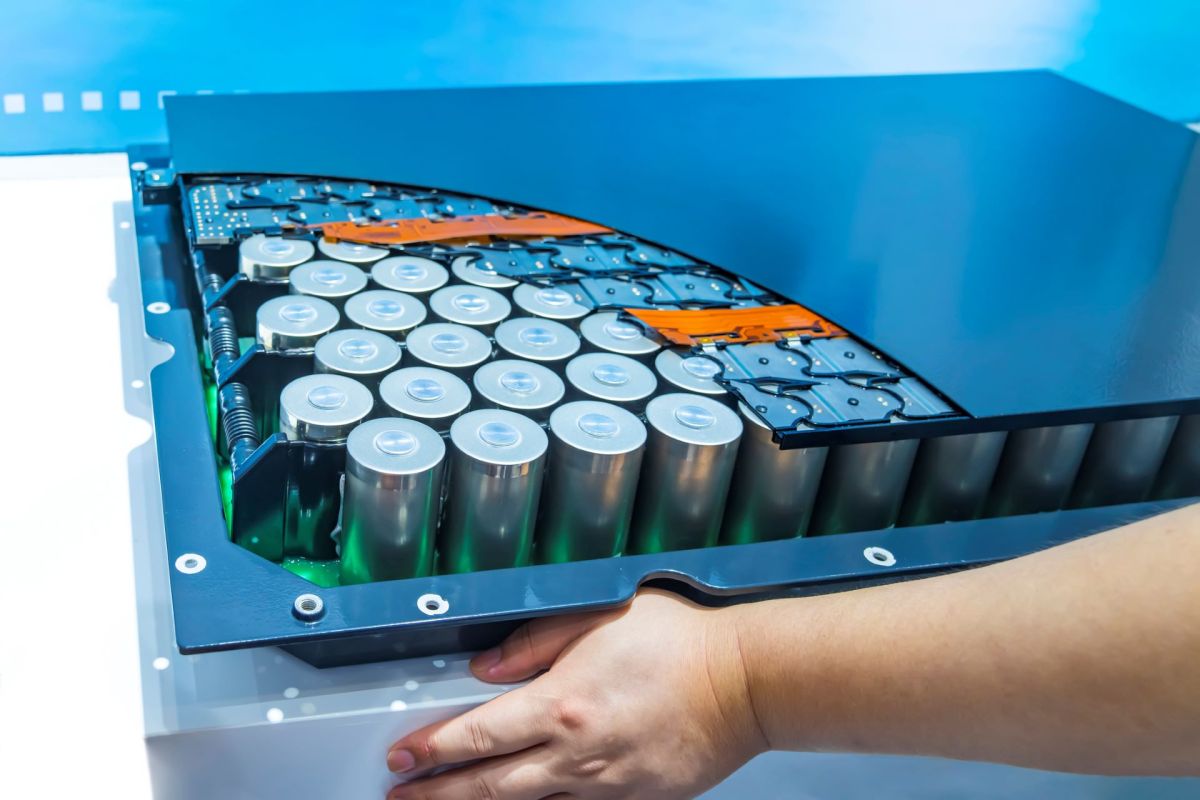
Researchers have discovered a new way to efficiently recycle electric vehicle batteries that eschews the usual need for corrosive acids, according to AZoMaterials.
Usually, batteries are shredded, and successive acid treatments extract specific elements.
The new method leveraged the inherent function of a battery to pull lithium ions from the cathode into the anode. Instead of an anode, however, researchers used water, which turned into lithium hydroxide once the reaction began.
Extracting lithium this way was nearly 10 times more energy-efficient than the standard acid leaching technique. On top of that, the extracted lithium was more than 99% pure, according to researchers, allowing a smooth on-ramp back into production.
"We asked a basic question: If charging a battery pulls lithium out of a cathode, why not use that same reaction to recycle?" co-author Sibani Lisa Biswal explained.
"By pairing that chemistry with a compact electrochemical reactor, we can separate lithium cleanly and produce the exact salt manufacturers want."
As EV adoption increases worldwide, demand for battery storage is rising in tandem.
While EVs are still cleaner than continued reliance on oil and gas, finding the materials to meet battery demand carries its own ecological costs. Dredging for deep-sea lithium nodules could, for example, obliterate sensitive animal habitats.
Moving toward more electric alternatives means less demand for gas and oil, which, when burned, produce atmospheric pollution.
This pollution traps heat in the atmosphere, which in turn exacerbates destructive and costly extreme weather patterns like floods, droughts, storms, and wildfires.
TCD Picks » Quince Spotlight
💡These best-sellers from Quince deliver affordable, sustainable luxury for all




|
Which factor would most effectively motivate you to recycle your old batteries? Click your choice to see results and speak your mind. |
 Getting money back 💰
 Recycling existing batteries is a promising alternative to mining new materials, especially as electric vehicles reach the end of their useful lives and otherwise pose an e-waste challenge.
Achieving the efficiency needed to recover EV battery materials cost-effectively remains a challenge, and breakthroughs like this can help close that gap.
"Directly producing high-purity lithium hydroxide shortens the path back into new batteries," co-author Haotian Wang said. "That means fewer processing steps, lower waste and a more resilient supply chain."

Get TCD's free newsletters for easy tips to save more, waste less, and make smarter choices — and earn up to $5,000 toward clean upgrades in TCD's exclusive Rewards Club.
Cool Picks





