


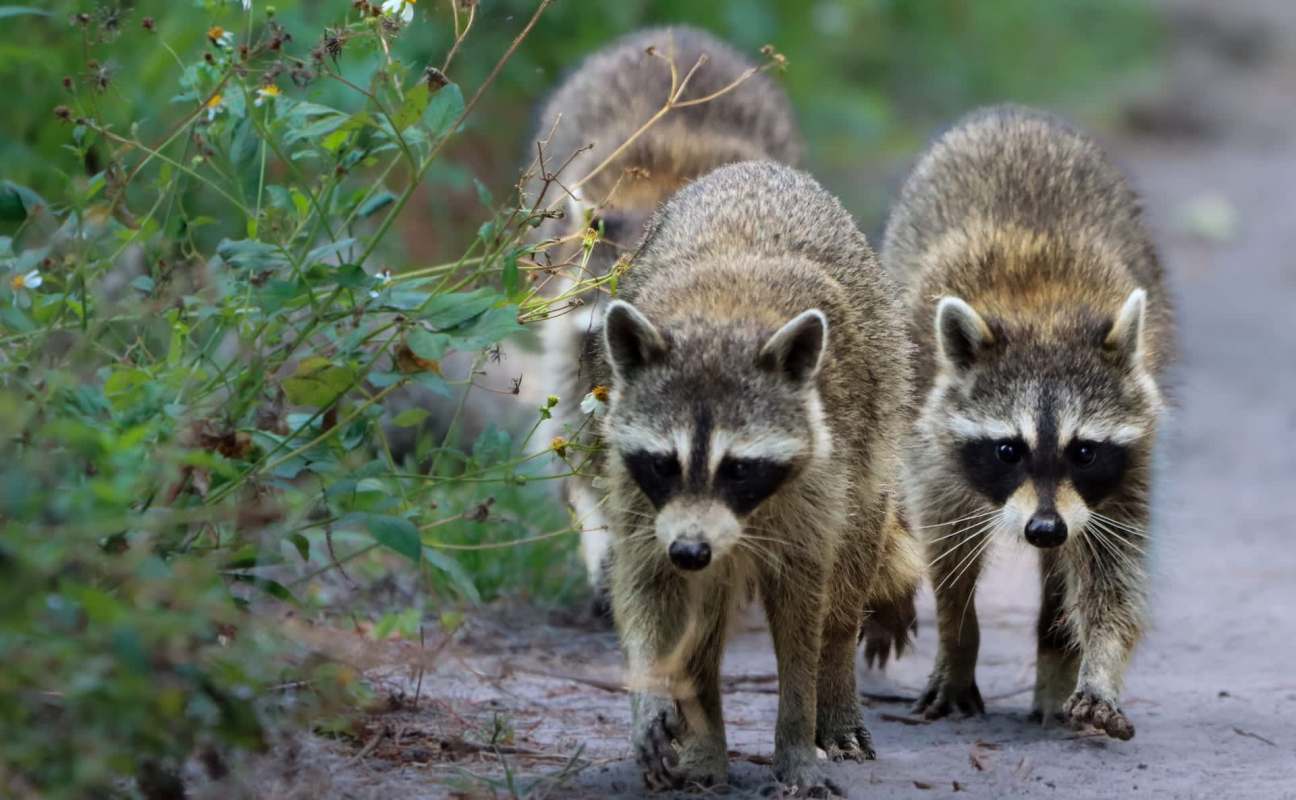
Raccoons, the North American animals better known for raiding trash cans, are becoming a management problem on Lithuania's Curonian Spit, one of the country's most sensitive coastal landscapes.
The Environment Ministry is counting the animals and preparing a management plan for the invasive species, according to LRT. Trapping and hunting could start there as early as next spring.
Here's what to know
A key task for Lithuanian officials is determining how many raccoons now live on the Curonian Spit.
According to LRT, the Environment Ministry is drawing up a plan for the invasive species. Saulius Rumbutis, an employee of the Tadas Ivanauskas Zoological Museum, said, "The impression is that there are quite a lot of them here, but it is difficult to say exactly how many. I would estimate there could be between 50 and 100 individuals."
Rumbutis added that the animals "often choose large natural tree hollows or simply a broken-off section of a pine tree. They climb up such a pine and can spend the day there sleeping, then go out at night to look for food."
More background
Juodkrantė is where most of the raccoon sightings are happening, and the animals stay close to settlements because food is easy to find there.
TCD Picks » Quince Spotlight
💡These best-sellers from Quince deliver affordable, sustainable luxury for all




Their diet is part of what makes them a concern in a protected area: Rumbutis said raccoons eat mollusks, take eggs and chicks from nests, and also scavenge human food waste.
Raccoons also seem to survive better on the Curonian Spit than on the mainland. On the mainland, they're seen only occasionally and face predators such as wolves; on the spit, they generally die only after being struck by vehicles.
What's being done?
As the Environment Ministry works on a formal plan for the invasive population, authorities are still counting raccoons on the Curonian Spit.
Trapping and hunting could begin.
Live trapping is one method under consideration, though it presents its own challenges. Rumbutis explained, "They can be caught using live traps. They smell the bait, go into the traps and get caught. The problem is that if the traps have not been specially modified, raccoons can easily use their nimble front paws to open the doors of traps and escape."
How the animals became established there remains unclear, but the Curonian Spit population may have started with captive raccoons that were released.
Where can I learn more?
Raccoons can create all kinds of problems once they start living close to people. Related coverage looks at rabies risks in Quebec and New Jersey, a homeowner overwhelmed by dozens of raccoons, repeated bird-feeder rescues, and why they make terrible pets.
• In Quebec, officials warn that a fast-spreading rabies risk is moving into urban neighborhoods.
• In suburban New Jersey, daylight raccoon attacks pushed officials to consider rabies pellets.
• At one homeowner's property, 100 raccoons swarmed the yard after years of feeding.
• Around one family's bird feeder, fat raccoons kept stealing birdseed and requiring rescue.
• Wildlife experts say raccoons seem cuddly at first, but you shouldn't keep them as pets.

Get TCD's free newsletters for easy tips, smart advice, and a chance to earn $5,000 toward home upgrades. To see more stories like this one, change your Google preferences here.






