


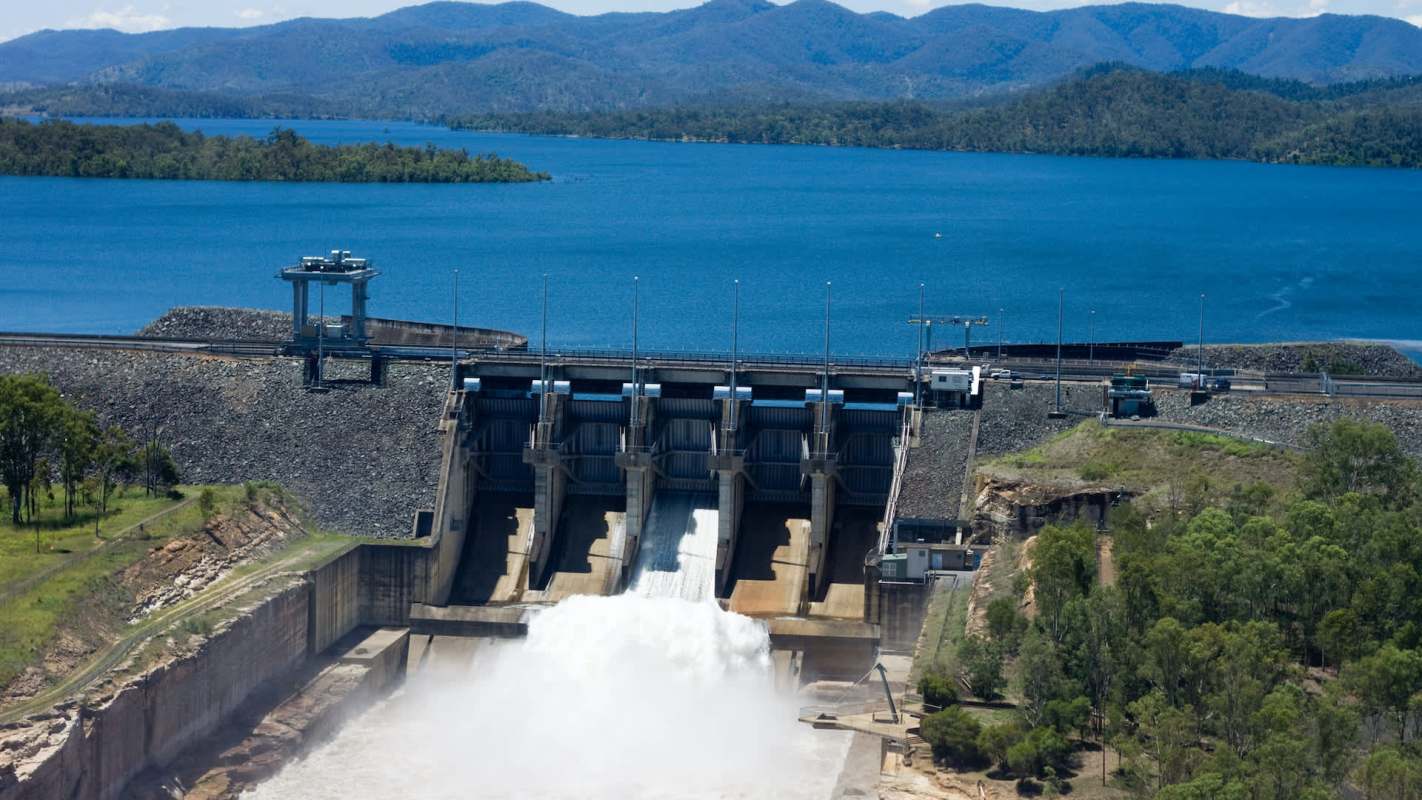
Australia may not need to rely on more gas-fired power to keep the lights on after all. A new study by researchers at the Australian National University shows that pumped hydro and battery storage could support a low-cost, zero-emissions electricity grid without expanding gas use.
Here's what to know
According to a news release published by Tech Xplore, Australia is planning for gas-powered generator capacity to reach 17 gigawatts by 2050, even though that is also the year it hopes to hit net-zero greenhouse gas emissions. But the new paper, published in Cell Reports Physical Science, said the National Electricity Market could meet future energy needs with renewable power backed by storage instead of gas.
After reviewing 17 institutional long-term energy plans, the researchers concluded that many favored gas because of how the grid was modeled, according to lead author Timothy Weber of the ANU Center for Energy Systems. He said those approaches restricted storage cycling, missed the potential of off-river pumped hydro, and excluded near-optimal pathways for the energy transition.
According to the study, batteries and long-duration pumped hydro could handle the same grid-balancing role as gas plants without increasing costs. That raises the possibility of preserving a dependable electricity supply while lowering climate pollution and avoiding further fossil fuel buildout.
More background
Pumped hydro works by moving water uphill when electricity is plentiful, then releasing it through turbines when demand rises. Paired with batteries, it can smooth the natural fluctuations of solar and wind generation, creating a more flexible grid without the carbon pollution tied to burning gas.
Professor Kylie Catchpole said gas may have a less climate-friendly profile than commonly assumed, arguing that its risks have been underestimated and that enough leakage could make it even worse for the climate.
TCD Picks » Quince Spotlight
💡These best-sellers from Quince deliver affordable, sustainable luxury for all




Replacing gas with storage at the same cost could avoid the price volatility associated with fossil fuels while also reducing harmful pollution that contributes to extreme weather, extreme heat, and similar climate-related disruptions.
What's being done?
Using their own planning model, the researchers found that swapping gas for batteries and long-duration pumped hydro would not add extra cost. Weber said most regions appear to have enough pumped hydro capacity to support that approach.
The study suggests the bigger challenge may be planning assumptions rather than missing technology. With better modeling, energy planners could make fuller use of storage that already exists or could be built using current technology.
Cleaner power does not always require a trade-off with reliability or affordability. Expanding renewables backed by storage can reduce pollution, limit exposure to methane leaks, and support an electricity system that is less dependent on fossil fuels.
"There are currently no commercial gas-powered generators operating with carbon capture and storage anywhere in the world. It makes more sense for Australia to develop 100% renewable electricity systems balanced by pumped hydro and batteries," Catchpole said.
Where can I learn more?
These articles explore pumped-storage projects, falling storage and solar costs, lithium supplies, and rooftop solar pricing.
• In Kentucky, a former coal mine is becoming a massive energy storage project for power.
• In global power markets, energy storage cost declines are helping wind and solar scale faster.
• IRENA said the cost of solar energy has fallen about 90% since 2010.
• EnergySage shows solar panel costs depend on equipment, labor, incentives, and financing.

Get TCD's free newsletters for easy tips, smart advice, and a chance to earn $5,000 toward home upgrades. To see more stories like this one, change your Google preferences here.






