


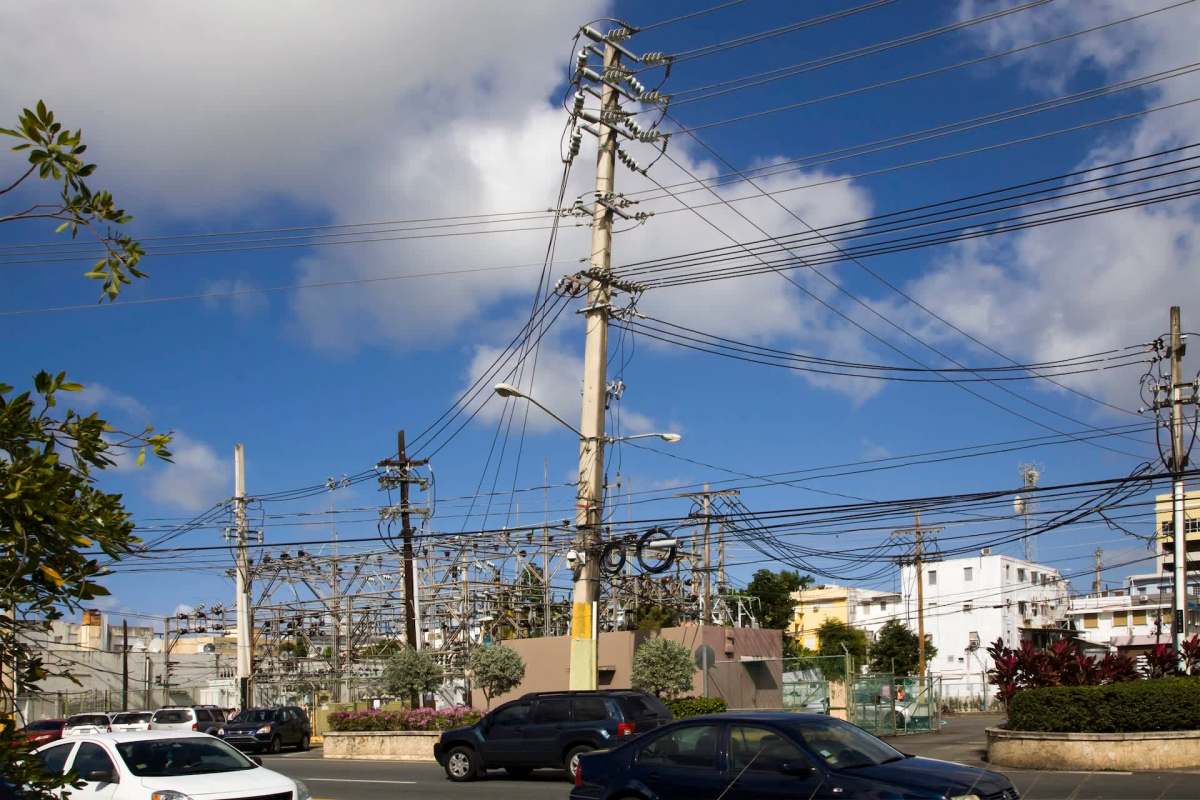
A $1 billion federal resilience effort had been expected to equip tens of thousands of low-income Puerto Rican households with rooftop solar and batteries so they would have backup power during outages.
Now, a significant share of that money is being redirected to the island's bankrupt utility, leading to an expansion of fossil fuel infrastructure.
What happened?
Congress created the Puerto Rico Energy Resilience Fund in 2022 as hurricanes and repeated blackouts underscored the vulnerability of the island's electricity system.
Under the Biden administration, the plan was to use the money for rooftop solar and battery systems at roughly 40,000 low-income homes, with special attention paid to residents whose medical needs make dependable electricity essential.
Grist reported that the Trump administration's Department of Energy has redirected much of that funding to the Puerto Rico Electric Power Authority, which runs the grid and is in bankruptcy.
Public records obtained through the Freedom of Information Act show the agency fast-tracked a sole-source award to PREPA, did not seek competing bids, and reduced the standard cost-share requirement from 50% to just 1%.
TCD Picks » Quince Spotlight
💡These best-sellers from Quince deliver affordable, sustainable luxury for all




That move is set to cover repairs to aging power plants that largely run on fossil fuels, while $50 million is earmarked for what internal documents describe as a natural gas pipeline.
A DOE spokesperson said the agency "carefully evaluated procurement options and determined that a noncompetitive, sole-source award to PREPA was justified," according to Grist.
Why does it matter?
At stake is whether households have power during the next storm or are left without the electricity needed for refrigeration, medical devices, cooling, and communication.
The island's grid has a long history of failure. Residents experienced over 70 hours of outages on average in 2024, and after Hurricane Maria in 2017, some communities went more than nine months without power.
For individual homes, solar panels paired with batteries can keep electricity flowing even when the larger grid fails.
Shifting funds away from household energy resilience and toward centralized fossil fuel infrastructure could also slow Puerto Rico's progress toward a cleaner, more affordable energy future.
Lawmakers warned that the natural gas pipeline could "help lock in the need to import fuels," Grist reported, adding to costs for ratepayers who are already struggling with high electricity bills.
What's being done?
The funding shift is drawing scrutiny.
Grist noted that in May more than 40 congressional Democrats sent a letter to Energy Secretary Chris Wright to demand answers about why the resilience funding was redirected and whether the move went against congressional intent.
Internal DOE records suggest officials were aware the decision could draw criticism. One memo pointed to likely backlash over the waived congressional notice period, the lack of competition, and the appearance of "undue favoritism" toward PREPA, Grist reported.
Another major question is whether such a dramatic cost-share waiver was appropriate for a utility with nearly $4 billion in annual revenue.
The fight centers on what kind of energy recovery Puerto Rico should pursue: one focused on community-level resilience or one that doubles down on the same vulnerable system that has repeatedly failed residents.
"It is really surprising that DOE would plan to send these sums to PREPA itself, given its record of federal spending," a former Biden administration DOE official said.
Congressional lawmakers were even more direct, citing the agency's "lack of transparency, wasteful reuse of the funding, disregard for congressional intent, and potentially illegal cancellation of contracts," per Grist.

Get TCD's free newsletters for easy tips, smart advice, and a chance to earn $5,000 toward home upgrades. To see more stories like this one, change your Google preferences here.






