


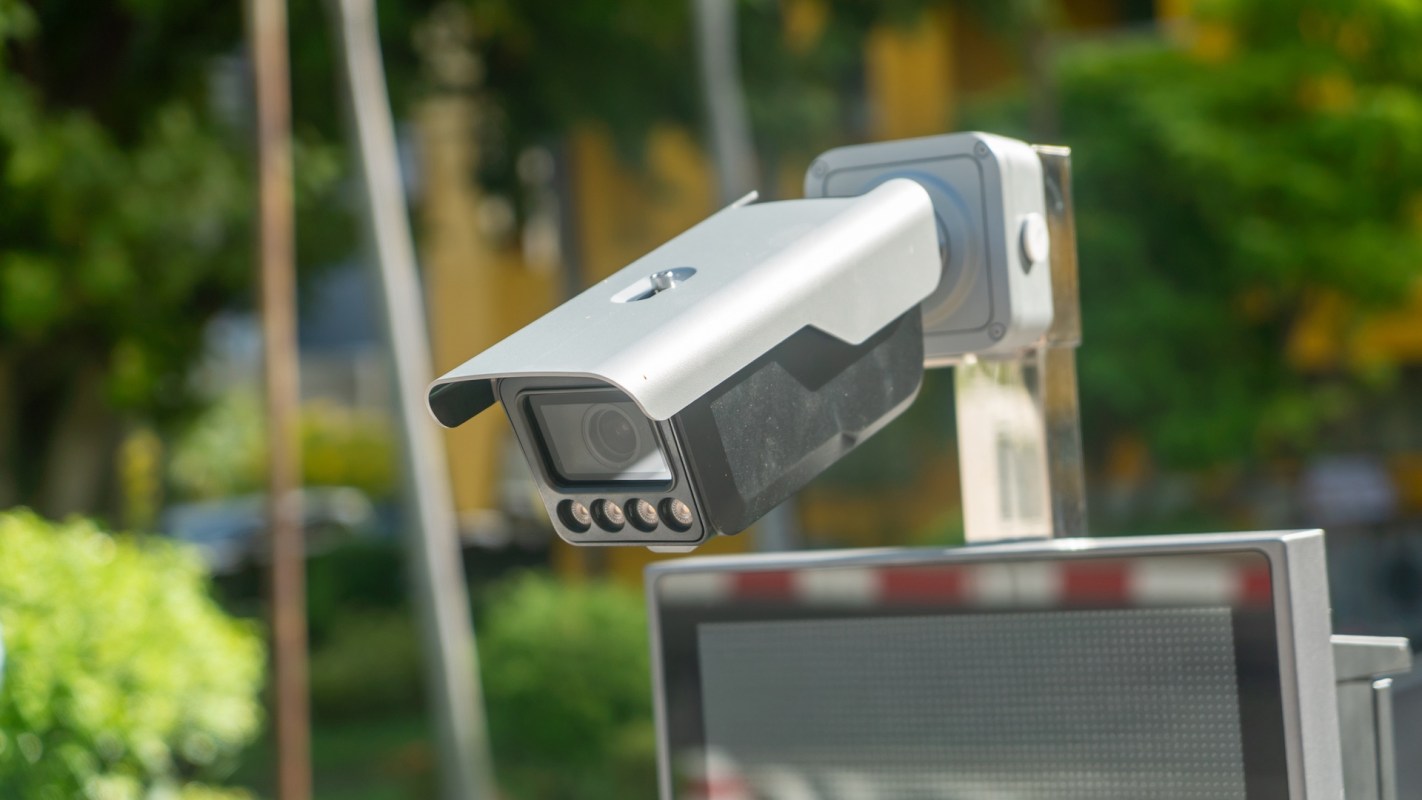
A Princeton, New Jersey, resident is calling for stricter limits on surveillance technology in town, arguing that tools intended for public safety should not quietly become part of a much broader tracking network.
As TAPinto Princeton reported, the effort centers on Flock Safety cameras that town officials deny are being used in the town.
What happened?
An online petition started by Chris Potts, a biotech CEO, asks Princeton Council to take three steps. It wants a ban on Flock Safety cameras, publicly disclose the locations of any cameras already in place along with any data-sharing arrangements, and require a public hearing before similar technology is introduced.
The campaign comes even though Princeton Police relayed to TAPinto Princeton that it does not use Flock cameras. Potts' petition also points to automated license plate readers more broadly, reflecting concerns about both Flock's national network and the plate-reading technology already in use locally.
"There are no 'Flock' cameras in Princeton," Princeton Police Chief Matthew Solovay explained to the outlet. "While the Princeton Police Department utilizes automated license plate reader (ALPR) technology, we do not utilize Flock cameras or Flock Safety technology."
In an Aug. 5 letter to the Town Topics weekly newspaper, Potts cited an NJ.com investigation that said more than 500 such cameras were operating in Mercer County alone.
TCD Picks » Quince Spotlight
💡These best-sellers from Quince deliver affordable, sustainable luxury for all




Flock, an Atlanta-based company, said its artificial intelligence-powered system is used in 49 states and more than 6,000 communities, with nearly 100,000 cameras deployed. The petition had 119 signatures as of Friday.
Why does it matter?
The dispute reflects a tension many communities face: how to address crime without making constant monitoring a routine part of daily life.
A New York Times report on the anti-Flock movement described incidents of information being shared with the Department of Homeland Security and Immigration and Customs Enforcement, along with allegations that officers used the cameras to stalk former partners. TAPinto Princeton noted that it has helped fuel opposition efforts in places such as Austin, Texas; Cambridge, Massachusetts; and Ypsilanti, Michigan.
At the same time, opponents of a ban say plate readers can help law enforcement recover stolen vehicles and identify wanted suspects. Solovay also stressed to the outlet that Princeton's use of ALPR technology follows state guidance and oversight.
"Our use of ALPR technology is governed by applicable New Jersey Attorney General guidelines and directives," he told TAPinto Princeton. "There is also a great deal of oversight by both the Mercer County Prosecutor's Office and the New Jersey State Police."
What's being done?
Potts wants Princeton to set rules before Flock becomes part of the local landscape, as he expressed in his letter.
"I don't think wanting privacy and wanting safety have to be at odds," Potts wrote, per Town Topics. "Princeton can be a safe town without becoming one more data point in a nationwide surveillance network we never agreed to join."
As TAPinto Princeton observed, his petition seeks an ordinance that would prohibit Flock cameras in town and bar university campus police from using them on public streets while also requiring public disclosure and hearings for any comparable technology.
"We deserve a real conversation, not a fait accompli, before this kind of surveillance becomes a permanent fixture of daily life here," he wrote.

Get TCD's free newsletters for easy tips, smart advice, and a chance to earn $5,000 toward home upgrades. To see more stories like this one, change your Google preferences here.






