


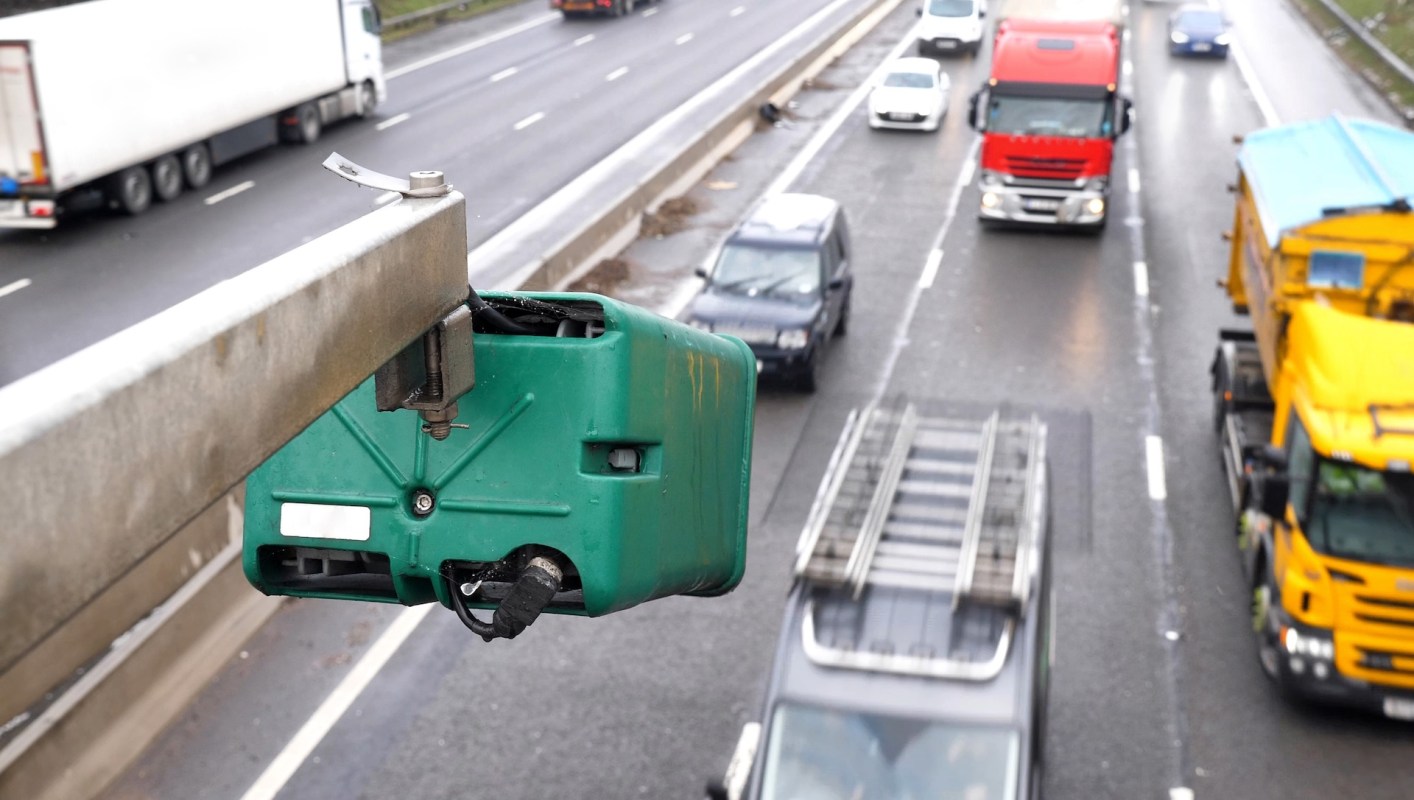
A Louisiana legislator is challenging the spread of an artificial intelligence-based policing system that reads license plates, notes vehicle characteristics, and saves that information in a searchable database.
The proposal is fueling a broader debate over whether crime-fighting tools powered by AI are making communities safer or simply normalizing constant tracking of everyday drivers.
What happened?
According to Louisiana Radio Network, Caddo Parish state Rep. Danny McCormick was preparing a bill that would ban AI-powered Flock Safety cameras across Louisiana.
He said the system violates constitutional protections.
"Warrantless mass surveillance is what these Flock cameras do. They record the license plates. They can share them without warrants. They can share them with all the different police entities across the country," McCormick explained.
Flock says law enforcement has used its technology in nearly one million cases nationwide, highlighting how widely the system has been adopted.
TCD Picks » Quince Spotlight
💡These best-sellers from Quince deliver affordable, sustainable luxury for all




Backers of the cameras say they are meant to collect data on vehicles of interest. McCormick, however, said that does not resolve his concerns about gathering information on residents who have done nothing wrong.
Why does it matter?
The fight over these cameras sits at the intersection of privacy, policing, and the everyday freedom of movement.
For many drivers, license plate readers are minimally visible — mounted on poles or other roadside infrastructure — yet they can quietly create a detailed record of where a vehicle has been.
That raises concerns about people being tracked even if they are not suspected of a crime. Critics say such systems can turn routine errands, commutes, and visits into data points stored for later review, potentially by multiple agencies.
TCD Picks » Quince Spotlight
💡These best-sellers from Quince deliver affordable, sustainable luxury for all
While McCormick acknowledged the cameras can help solve crimes, he argued that security should not require people to give up basic rights.
The debate also reflects a question facing communities across the country: How much surveillance are people willing to accept in exchange for faster investigations and more leads for police?
What's being done?
McCormick's answer is a statewide ban. He was drafting legislation that would bar the use of AI-powered Flock cameras in Louisiana.
That approach would put the issue directly before lawmakers. If the bill gains traction, it could become a model for other states looking to set boundaries on automated monitoring.
"I'm not going to sit here and make the argument that you can't solve more crimes like this. I'm going to make the argument that you're violating the U.S. Constitution and taking away the freedom and liberty of law-abiding citizens," McCormick said, according to Louisiana Radio Network. "... I've had hundreds, if not thousands, of responses from people that don't want this. It's amazing how united the people in Louisiana are against these cameras."

Get TCD's free newsletters for easy tips, smart advice, and a chance to earn $5,000 toward home upgrades. To see more stories like this one, change your Google preferences here.







