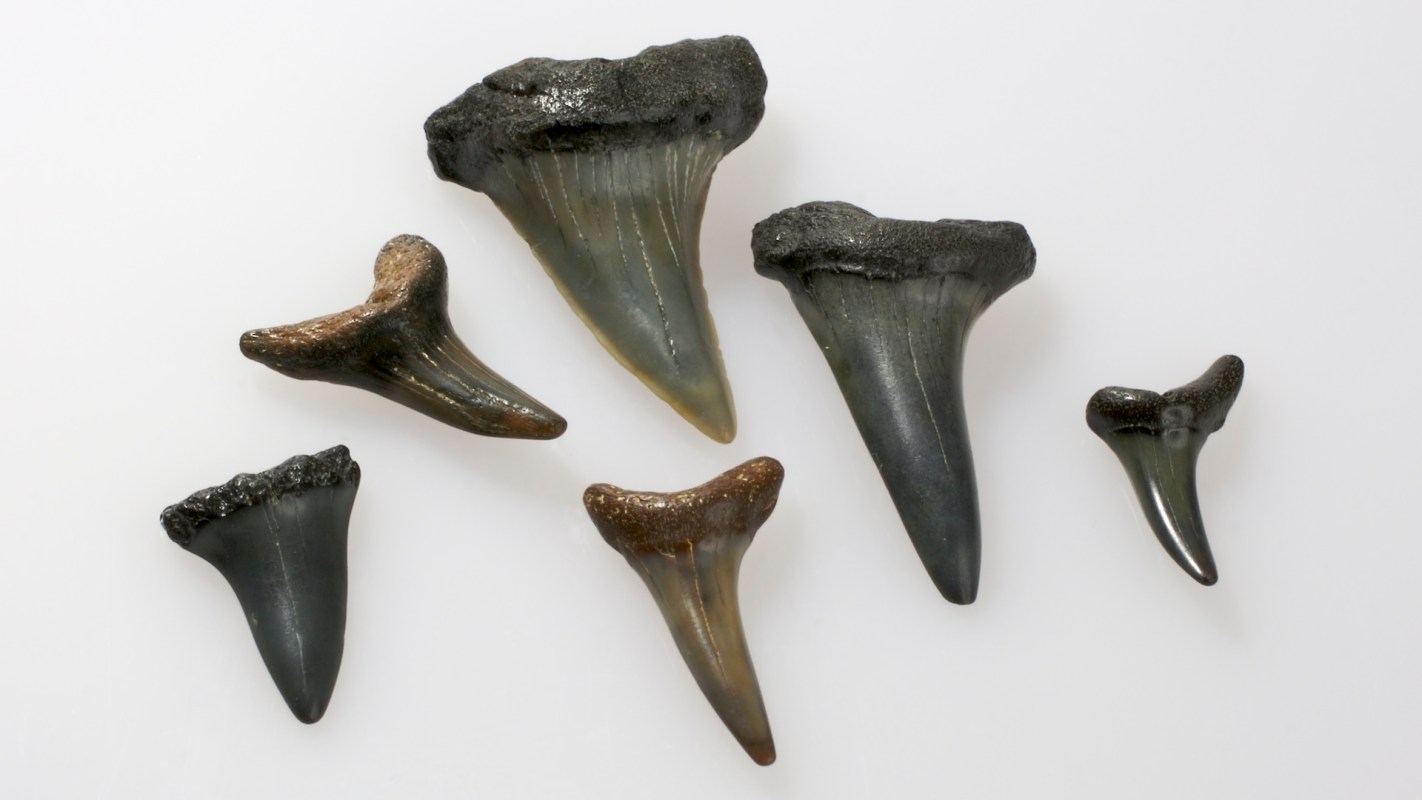
A shark tooth lodged in a whale skull for roughly 5 million years is offering scientists a startling glimpse of what the North Sea once looked like, as well as perhaps a preview of the future.
The fossil, uncovered in Belgium's busy port of Antwerp, suggests the region was once far richer in predators than it is today, as Forbes detailed.
What's happening?
In a new study, researchers highlighted two remarkable whale fossils from the early Pliocene, a period about 4 million to 5 million years ago, after finding shark tooth fragments embedded in the bones.
One skull belonged to an extinct right whale species called Balaenella brachyrhynus. Using microCT scans, scientists found the tooth belonged to a bluntnose sixgill shark, which still survives today, per Forbes.
Forbes noted a second skull, from Casatia thermophila, a relative of the modern beluga, appears to preserve evidence of an active shark attack by an extinct mako related to today's great white.
These fossils show the ancient North Sea was once home to small baleen whales, dolphins, seals, and large predatory sharks.
TCD Picks » Quince Spotlight
💡These best-sellers from Quince deliver affordable, sustainable luxury for all




Why does it matter?
The region is changing again under pressure from human-caused warming, overfishing, pollution, and habitat damage.
"If you want information about how animals and other organisms might respond to the kind of climate changes our planet is experiencing right now, you need evidence of former responses to such changes," the researchers wrote on The Conversation.
The bite itself was ancient, but any return of similar predator-packed food webs could be tied in part to human activity now reshaping the oceans.
The researchers suggested that if warming waters support more dolphins or seals, larger predators could follow into places they have not occupied for millions of years, as Forbes noted.
TCD Picks » Quince Spotlight
💡These best-sellers from Quince deliver affordable, sustainable luxury for all
A rise in top predators would not automatically be bad news, and it could even signal a recovering food web. However, it would also reflect how dramatically marine environments are shifting.
What are people saying?
Warmer oceans are already changing where marine animals live and feed. The researchers referenced the changes in seals and porpoises in their piece on The Conversation. This study shows that even before humans were driving the changes, species could see radical shifts.
The researchers said, via The Conversation, that the fossils are "direct evidence that relatives of sharks today fed on these whales" and called them "tangible examples of such behaviour."
They added that when prey communities changed during past climate shifts, the sharks that depended on them disappeared too, per Forbes.
Scientists say the future is unclear. Warming seas could revive old ecological relationships, or modern human pressures could push marine systems in entirely new directions.
"The fossilised behaviour of the disappeared whales and sharks emphasize that all is change in the ecology of the North Sea," the researchers concluded to The Conversation.

Get TCD's free newsletters for easy tips, smart advice, and a chance to earn $5,000 toward home upgrades. To see more stories like this one, change your Google preferences here.