


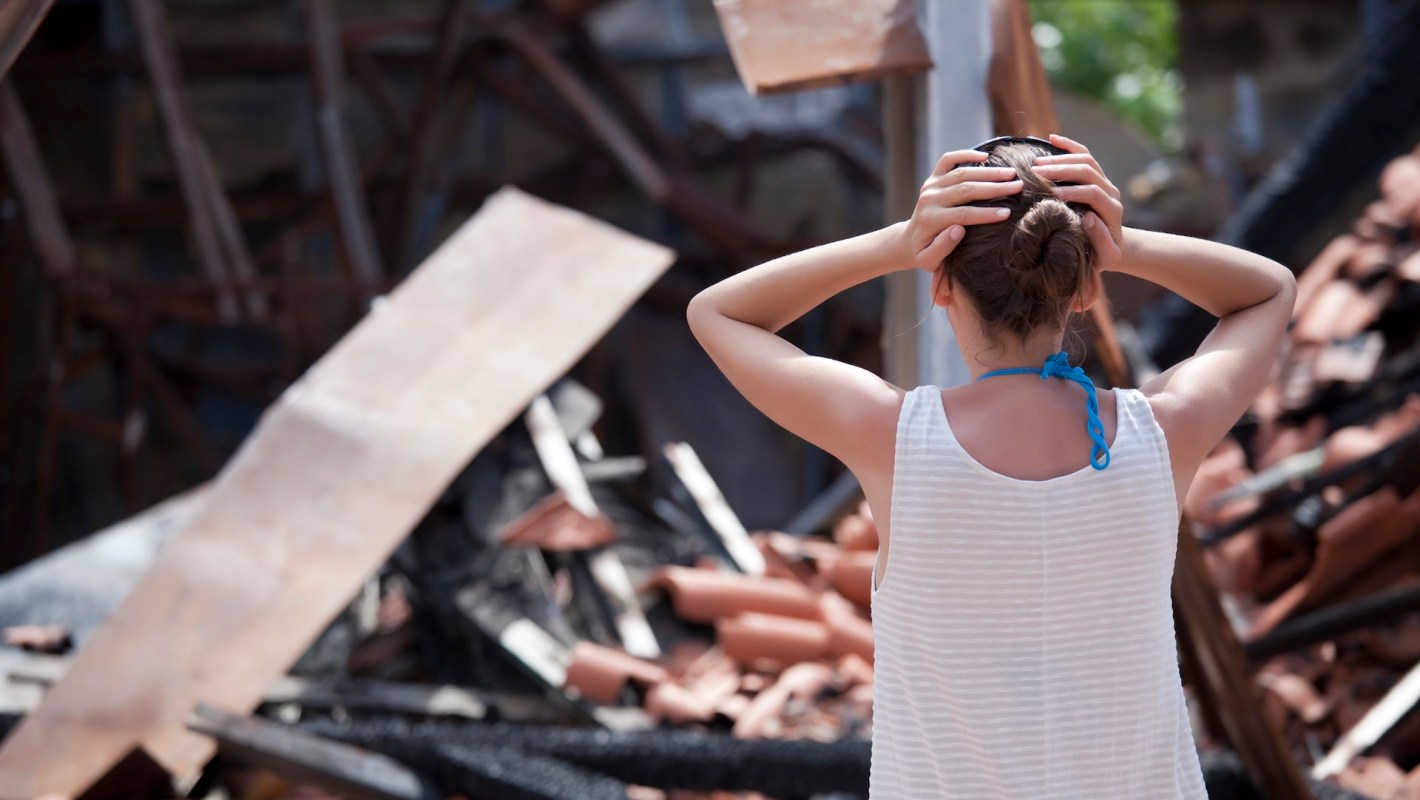
Mental health professionals are bringing attention to a surge in psychological injuries, coinciding with an increase in severe weather events across the United States, reported the Psychiatric Times.
What's happening?
According to the report, extreme weather-related disasters are becoming more frequent and more intense. The report cited NOAA data, which stated that 27 disasters that caused over $1 billion in damage occurred in the U.S. in 2024.
These disasters have left survivors with more than destroyed homes. Research demonstrates that up to 30% of people who experience severe natural disasters develop post-traumatic stress disorder.
This condition is characterized by persistent nightmares, panic attacks during storms, and emotional disconnection from loved ones that can last months or years after the initial weather event.
Twenty years after Hurricane Katrina forced more than 1 million people from their homes and caused nearly 2,000 deaths, survivors continue to struggle with psychological effects. The report noted that "many survivors are hesitant to seek psychiatric care, either due to stigma or because basic needs such as shelter, food, and employment understandably take precedence."
Why is post-disaster PTSD concerning?
Unlike other traumatic experiences, weather disasters often strike without warning and leave victims feeling powerless.
Victims develop lasting fears of rain, avoid areas near water, and experience physical symptoms like racing hearts and difficulty sleeping whenever weather conditions change. These reactions interfere with work, relationships, and daily activities.
Without proper mental health support, survivors face increased risks of depression, anxiety, and substance abuse alongside PTSD. These conditions compound each other, which makes recovery even more difficult for individuals and communities trying to rebuild.
What's being done about post-disaster PTSD?
Mental health organizations are developing new approaches to reach disaster survivors where they are. Mobile clinics, telehealth services, and partnerships with emergency shelters can bring counseling right to affected communities.
Community support groups allow survivors to share experiences and healing strategies with other people who understand their situation. These peer-led initiatives reduce isolation and provide practical coping techniques.
TCD Picks » Quince Spotlight
💡These best-sellers from Quince deliver affordable, sustainable luxury for all




|
Do you worry about having toxic forever chemicals in your home?
Click your choice to see results and speak your mind. |
 Majorly 😥
 If you know someone who's been affected by a natural disaster, check in regularly, even months after the event. Listen without judgment and help connect them with mental health resources when they're ready.
Support disaster-focused mental health programs through donations to psychological first aid efforts and long-term counseling services. Advocate for better mental health funding in disaster relief legislation to help future survivors get the support they need to heal completely, not just rebuild physically.

Join our free newsletter for weekly updates on the latest innovations improving our lives and shaping our future, and don't miss this cool list of easy ways to help yourself while helping the planet.
Cool Picks





