


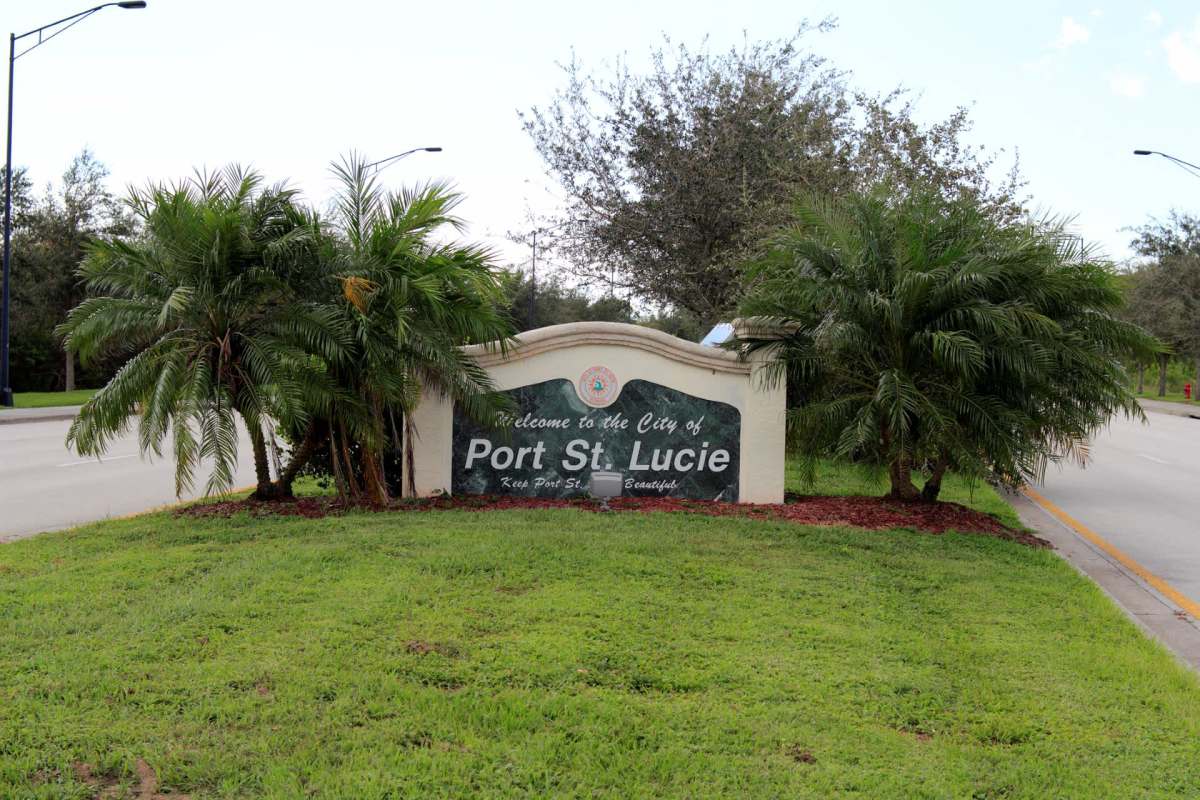
A Port St. Lucie wastewater lift station overflowed after a power problem, releasing about 800 gallons of untreated sewage onto the property's driveway and into a nearby swale.
Officials said the incident did not affect surface water or any publicly accessible area.
Here's what to know
According to CBS12, the city linked the spill to a loss of full electrical service at lift station WP-22, located at 170 SW Hawthorne Circle. During a weekly inspection around 11 a.m., utility workers saw sewage coming out of the wet well lid. The discharge stopped at about 12:20 p.m. after a backup generator was used to get the pumps running again.
The wastewater escaped at roughly 10 gallons per minute and spread across the driveway and into an adjacent swale. In a notice sent to the Florida Department of Environmental Protection, city staff said the station was not receiving full FPL line power.
Of the total spill, the city estimated that about 80 gallons, or 10%, were absorbed into the soil. Crews recovered about 720 gallons from the swale, grassy area, and stone surface with a vacuum truck, then treated the site with lime.
The city also said that the malfunction was not picked up by the SCADA monitoring system, so employees found it during an in-person inspection instead of through a remote alert.
TCD Picks » Quince Spotlight
💡These best-sellers from Quince deliver affordable, sustainable luxury for all




More background
Raw sewage can carry bacteria, viruses, and excess nutrients that threaten soil quality, waterways, and public health if contamination spreads beyond the immediate site.
Because the spill did not reach surface water or publicly accessible areas, the city said sampling was unnecessary.
What's being done?
After workers found the overflow, they reported the power outage, brought in a backup generator, restarted the pumps, removed most of the wastewater with a vacuum truck, and applied lime to the affected area.
The pollution notice said the city was carrying out internal notifications while also notifying regulatory agencies.
Where can I learn more?
The Port St. Lucie spill reflects challenges surrounding environmental protection and aging infrastructure. Community health and local water resources remain directly vulnerable to sewage spills and municipal sewer management decisions.
• Near LaBelle, Florida, a 450,000-gallon sewage spill left a resident's yard reeking and raised bloom concerns.
• In New Jersey, rising seas threaten sewage systems as flooding strains aging combined sewer infrastructure.
• In Vermont, residents warned the sewer project could harm water quality for decades if planning falls short.
Even when a spill stays on one property, it can still signal a larger problem. Small overflows, aging systems, and fights over upgrades can all hint at contamination risks down the line.

Get TCD's free newsletters for easy tips, smart advice, and a chance to earn $5,000 toward home upgrades. To see more stories like this one, change your Google preferences here.






