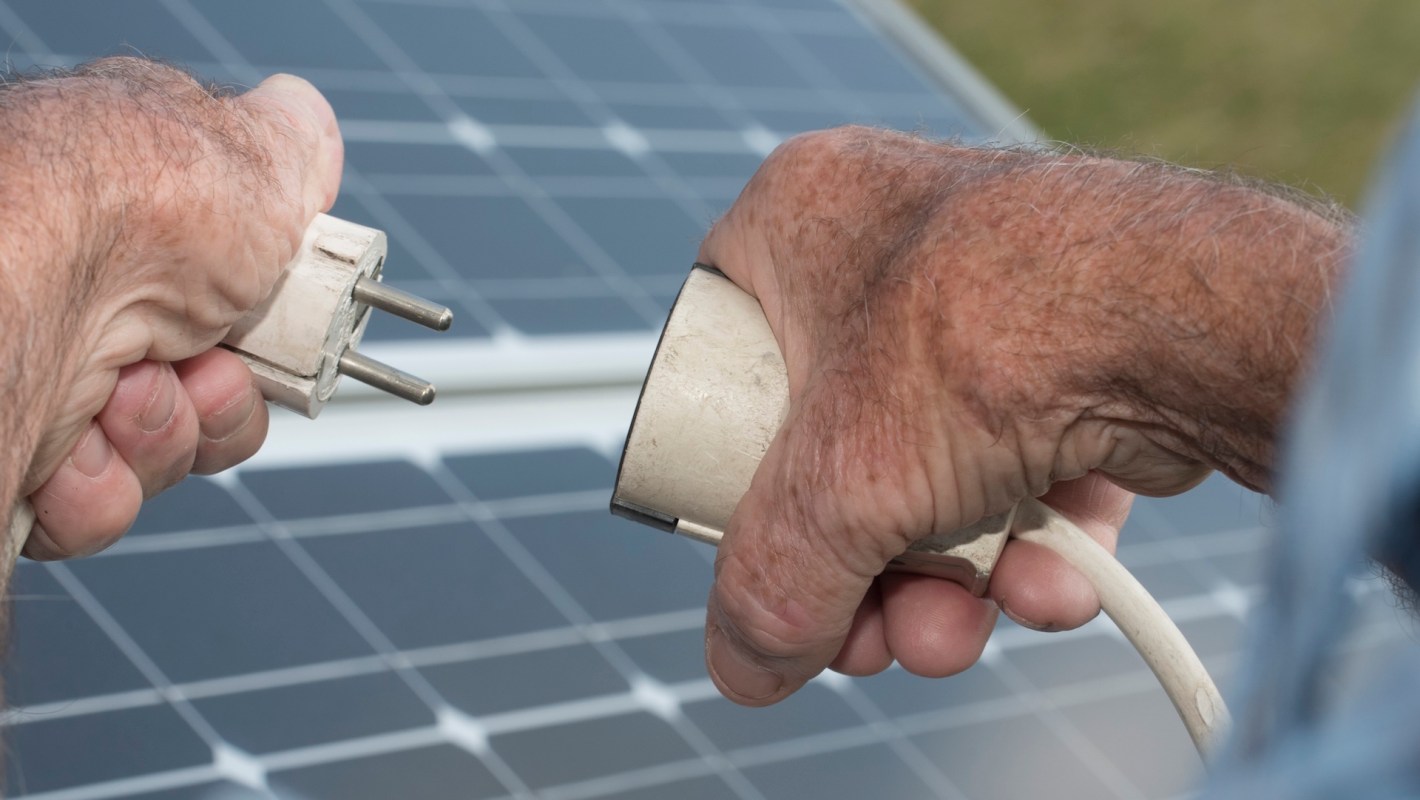
Utah's move to allow plug-in solar is raising one very practical question from homeowners: How exactly can electricity go "backward" through a wall outlet without causing problems?
A Reddit thread in r/solar captured that confusion, and the answers help explain why this low-cost energy option is getting so much attention.
A recent post asked how plug-in solar systems actually work now that Utah has approved their use and sale. These small setups usually pair a solar panel with a microinverter and plug into a standard household outlet to feed in usable alternating current to power a home.
The main sticking point for many people is whether a home's wiring is only meant to send power in one direction. Commenters explained that this is not how electricity behaves. If a source is pushing power onto the circuit, nearby appliances can use that energy first, reducing how much electricity the home needs to pull from the grid.
Safety came up, too. Commenters noted that these systems use anti-islanding protection, meaning they automatically shut off during a power outage. They are also typically limited to relatively low wattages — around 400 watts on a shared circuit and up to roughly 1,800 watts on a dedicated one.
Plug-in solar could offer a cheaper, simpler way to start cutting electric bills without committing to a full rooftop installation. Instead of buying all of your daytime electricity from the grid, a small panel can offset some of the energy used by always-on devices like refrigerators, Wi-Fi routers, and electronics sitting in standby mode.
TCD Picks » Quince Spotlight
💡These best-sellers from Quince deliver affordable, sustainable luxury for all




Even a modest reduction in grid use can add up over time. It is not likely to be a whole-home solution for most people, but it can be an accessible entry point, especially for renters.
For anyone watching energy costs climb, it is a useful reminder that even small technology changes can create real savings while also reducing pollution from oil- and gas-generated electricity.
If you are interested in plug-in solar, the first step is to check your local rules, utility policy, and circuit setup before buying anything. A low-power unit may be fine for some homes, but a dedicated circuit and clear product certification are important for safety.
If you want bigger savings, a traditional rooftop system will usually have a greater impact. Homeowners can also pair solar panels with home batteries and efficient electric appliances to drive utility costs even lower.
The TCD Solar Explorer can guide you through the process of adding solar to your home. The concierge-level service can help homeowners receive competitive bids from vetted local installers — resulting in savings up to $10,000 — or set you up with a $0-down subscription plan for homeowners who aren't in the position to take on higher upfront costs right now.

Get TCD's free newsletters for easy tips, smart advice, and a chance to earn $5,000 toward home upgrades. To see more stories like this one, change your Google preferences here.