


One thing all parents can agree on is that they want their children to stay safe and grow up to be healthy adults.
Research has concluded that early exposure to plastic can be detrimental to children's health.
What's happening?
A review published in The Lancet Child & Adolescent Health included decades of research analyzed by scientists that shows three chemical additives — phthalates, bisphenols, and perfluoroalkyl substances — are harmful to children, especially with early exposure.
As Yale Environment 360 summarized, children with exposure to these chemicals are at higher risk of getting diagnosed with infertility, asthma, heart disease, and obesity as they approach adulthood.
These additives are also linked to affecting the development of the brain, autism, ADHD, and a lower IQ.
Why is plastic exposure in children concerning?
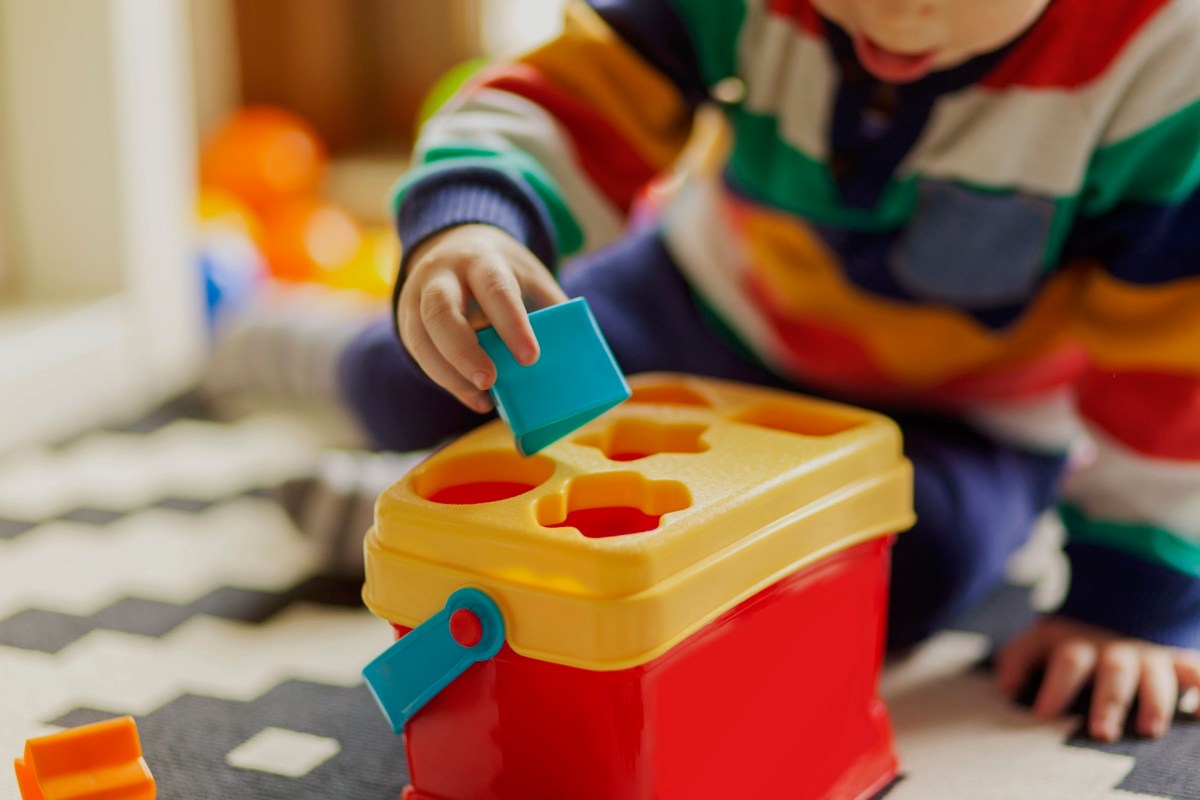
Almost everything that children use is made of plastic — from car seats to toys to cutlery. Logically, it makes the most sense, as heavy wood, glass, and other materials can be dangerous for kids, especially toddlers and babies. However, microplastics are entering kids' bodies.
TCD Picks » Quince Spotlight
💡These best-sellers from Quince deliver affordable, sustainable luxury for all




If the most common material used in a growing kid's life is actually detrimental to brain development, the entire industry for baby and child products needs to rethink its practices for everyone's safety.
Lead author of the review and professor of pediatrics at New York University, Leonardo Trasande, said, per Yale Environment 360, "If we want kids to stay healthy and live longer, then we need to get serious about limiting the use of these materials."
Americans are already feeling the hurt from plastic. According to a study published in the Journal of the Endocrine Society, they paid an estimated $250 billion in health costs in 2018 to deal with issues associated with plastic exposure.
Unfortunately, this research came out only a month after multiple countries failed to sign a treaty limiting plastic production, as major oil producers blocked it.
|
Do you worry about having toxic forever chemicals in your home?
Click your choice to see results and speak your mind. |
 Majorly 😥
 Plastic production also uses an extraordinary amount of dirty fuels. As Yale Environment Review observed, 60 million Barbie dolls are produced each year, releasing the equivalent pollution of burning 381 million gallons of gasoline.
If Mattel switched Barbie's composition to an eco-friendly material, it would make an immense difference to the environment and be better for children's health.
What can be done about children's plastic exposure?
Trasande added, "There are safe, simple steps that parents can take to limit their children's plastic exposure without breaking the bank."
Some of these steps include switching plastic toys for ones made with lightweight wood, cotton, rubber, and wool.
Food should also be reheated in glass rather than plastic whenever possible, and plastic to-go containers should be replaced with glass or steel, depending on the child's age.

Join our free newsletter for weekly updates on the latest innovations improving our lives and shaping our future, and don't miss this cool list of easy ways to help yourself while helping the planet.






