


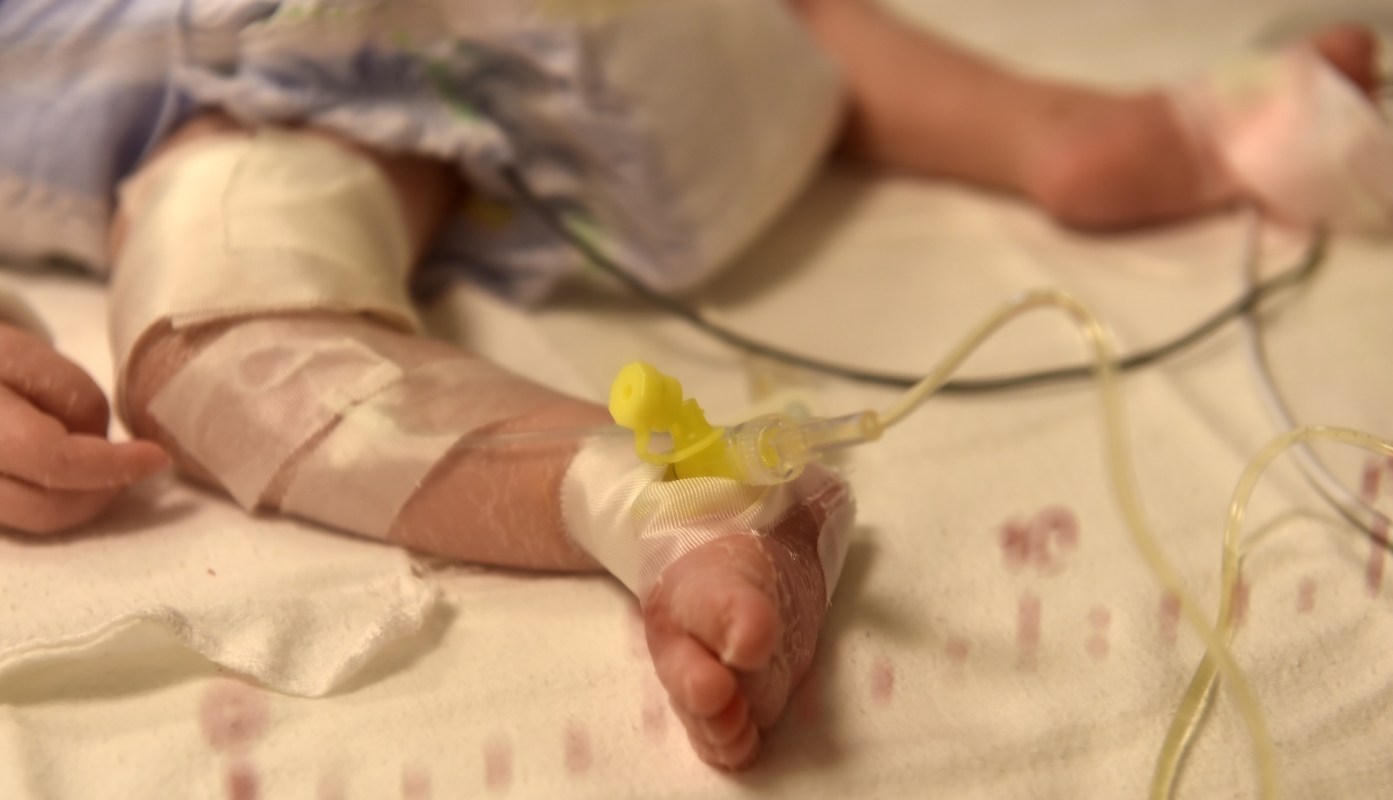
A recent study highlighted the harmful impact of phthalates, chemicals used to increase the flexibility of plastics, on the human body. Results linked them to millions of premature births and thousands of newborn deaths, among other concerns.
What's happening?
In 2018, researchers linked nearly 2 million premature births to phthalates, resulting in 73,000 newborn deaths, CNN reported.
The new study, published in the journal eClinicalMedicine, focused on two types of phthalates: di-2-ethylhexylphthalate (DEHP) and diisononyl phthalate (DiNP).
"This is a dangerous class of chemicals," said Dr. Leonardo Trasande, senior author of the study, per CNN. "In the context of all the efforts that we're taking to have more babies born in the United States, we should also make sure that babies are born healthy."
The study also drew attention to plastic packaging used in health care, particularly in neonatal intensive care units.
"Ironically, babies born preterm will be exposed to even more plastics, as neonatal wards rely on plastic tubing," said Jane Muncke, managing director and chief scientific officer at the Food Packaging Forum, who was not involved with the latest study.
A 2021 study co-authored by Trasande also found that phthalates may contribute to as many as 107,000 premature deaths per year among people ages 55 to 64 in the U.S.
Why are these chemicals concerning?
Phthalates are known endocrine disruptors, and scientists have linked them to numerous health complications, including reproductive issues, childhood obesity, asthma, cardiovascular diseases, and certain cancers, according to the National Institute of Environmental Health Sciences.
Often referred to as "everywhere" chemicals, phthalates are prevalent across various consumer goods such as children's toys, art supplies, food storage, vinyl flooring, garden hoses, medical devices, and personal care products, where they also help carry fragrances.
How can you protect yourself from phthalates?
The United States prohibited children's toys and child care articles containing more than 0.1% of certain phthalate chemicals, and other countries have passed similar laws.
TCD Picks » Quince Spotlight
💡These best-sellers from Quince deliver affordable, sustainable luxury for all




|
Which of these savings plans for rooftop solar panels would be most appealing for you?
Click your choice to see results and earn rewards to spend on home upgrades. |
 Save $1,000 this year 💸
 Researchers recommend opting for products labeled phthalate-free, washing plastic containers thoroughly, and avoiding microwaving food in plastic as good actions, along with reducing overall plastic use.
Experts also point out that protection can't rely solely on individuals and that the solution calls for stronger regulations, safer products with better labeling, and more oversight.
To this end, you can talk about these issues with friends and family and vote for policymakers who align with your interests.

Get TCD's free newsletters for easy tips to save more, waste less, and make smarter choices — and earn up to $5,000 toward clean upgrades in TCD's exclusive Rewards Club.
Cool Picks





