


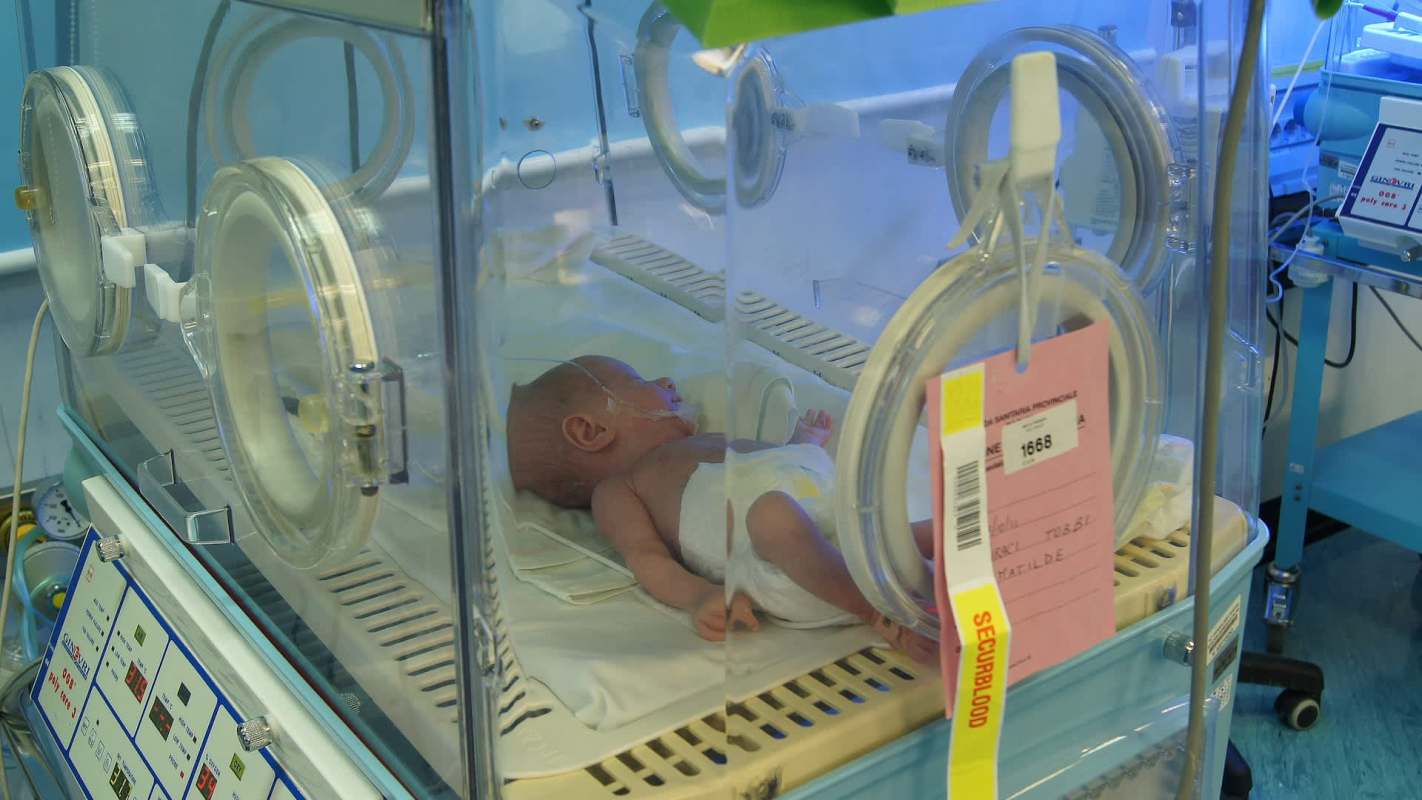
A new analysis has quantified preterm births linked to a heat wave in Asia.
In the Philippines, researchers believe that nearly 300 preterm births would not have happened without the human-caused climate crisis.
Here's what to know
A report from global research group Zero Carbon Analytics estimated that 15 days of extreme heat in April 2024 were linked to 585 additional preterm births in the Southeast Asian country.
In Iba, a town in Zambales province, the heat index peaked at 127.4 degrees Fahrenheit (53 degrees Celsius) during the heat wave. Temperatures during that period were 4.39 degrees Fahrenheit (2.44 degrees Celsius) above normal.
Calabarzon recorded the largest number of additional births, at 100, followed by about 80 each in Metropolitan Manila and Central Luzon, according to coverage of the study from regional outlet Philstar.
In a separate finding, Zero Carbon Analytics — which also looked at pregnancy outcomes in India and Bangladesh — estimated that 263 premature births in the Philippines in April 2024 would not have occurred in the absence of human-induced warming.
TCD Picks » Quince Spotlight
💡These best-sellers from Quince deliver affordable, sustainable luxury for all




More background
Of course, the risk doesn't end with a 2024 heat wave.
The Climate Change Commission has cautioned that temperatures in some cities could climb to between 113 and 122 degrees Fahrenheit (45 to 50 degrees Celsius) during this year's Super El Niño, according to Philstar.
What's being done?
For families, the early arrival of an infant can mean caring for a newborn with breathing, feeding, or thermoregulation concerns.
The World Health Organization identifies complications from preterm birth — or birth before 37 weeks of gestation — as a leading cause of death among children under 5 globally. Preterm birth can also contribute to developmental delays.
The WHO has included preterm birth in its new framework for tracking heat-related impacts on pregnant people, newborns, and children. Tracking such impacts could help health care providers, policymakers, officials, and funders implement heat-safety measures and improve pregnancy outcomes as temperatures rise.
Where can I learn more?
Extreme heat is putting pregnancies at risk outside the Philippines, too:
• In Fiji, extreme heat is increasingly linked to preterm births and stillbirths.
• Across 50 countries, climate shocks have been linked to child marriage, unintended pregnancy, and gender-based violence.
• The Global South faces 451,000 additional heat deaths as El Niño raises temperatures.
• Fossil-fueled warming caused nearly two-thirds of Europe's 50,000 summer heat deaths.
• In the U.S., days above 105 degrees Fahrenheit could triple as heat intensifies.

Get TCD's free newsletters for easy tips, smart advice, and a chance to earn $5,000 toward home upgrades. To see more stories like this one, change your Google preferences here.






