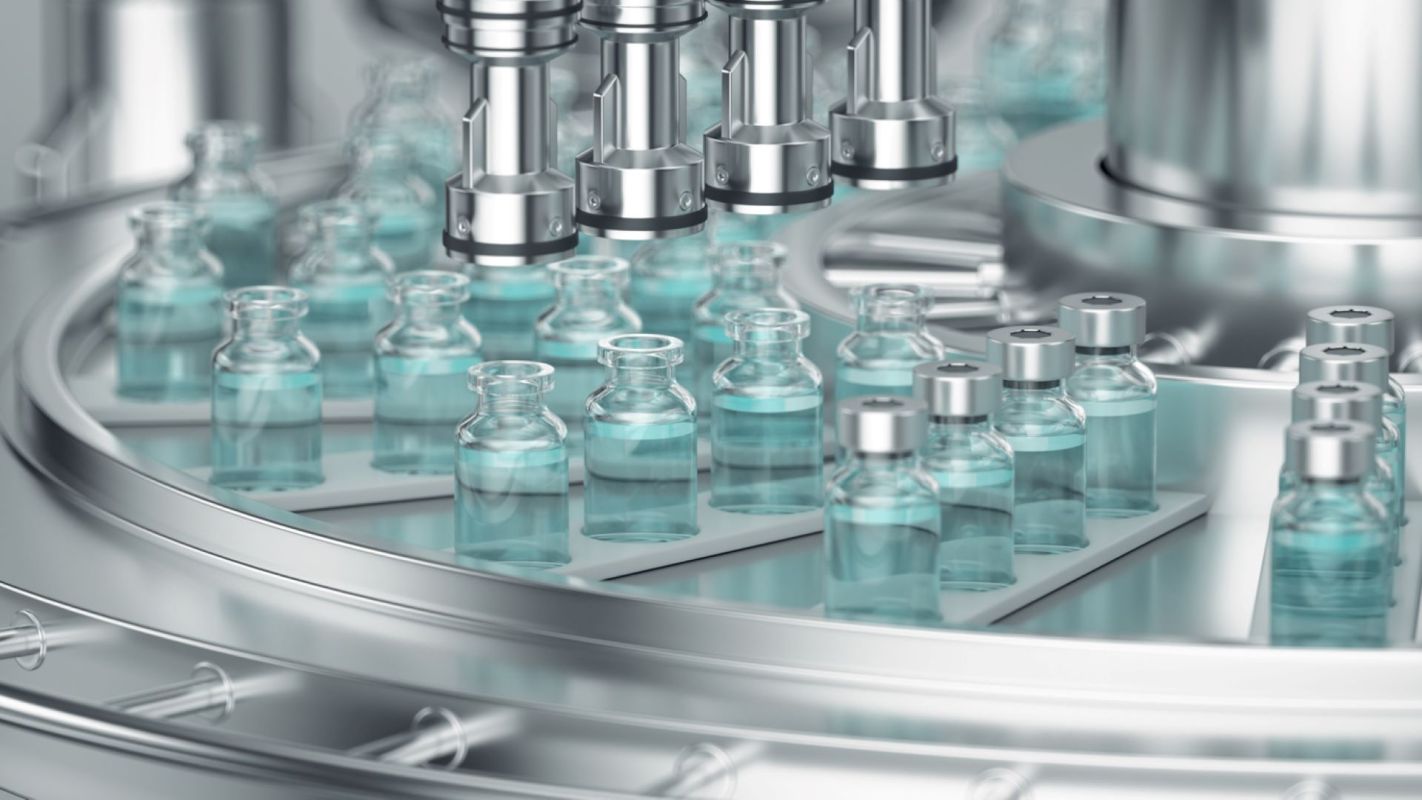
Changes to manufacturing processes are needed industry-wide to reduce planet-harming pollution that contributes to global heating, and the pharmaceutical industry is no exception.
Research from the University of Wisconsin-Madison has resulted in a proposal to make chemical production for pharmaceutical drugs greener.
"The chemical industry is a massive energy consumer, and there is a big push to decarbonize the industry," Shannon Stahl, a professor in the UW-Madison Department of Chemistry, said in a press release published on Science Daily.
With that in mind, the study examined the potential of a method that takes inspiration from hydrogen fuel cell technologies as an alternative to conventional zinc-based processes.
According to the university, handling zinc is "complicated," and its waste products are environmentally unfriendly. Green Spec has said that about 3.3 tons of carbon dioxide, a planet-warming gas, are produced for every 1.1 tons of zinc produced.
Considering this, a more sustainable method is needed to limit the harm caused by the production of potentially life-saving drugs.
Stay hydrated and refreshed this holiday season — without any sugar or harmful additives Nuun’s zero-sugar hydration tablets are a perfect, guilt-free way to enhance your water throughout the day. You’ll get five essential electrolytes for everyday hydration — with zero grams of sugar. Plus, Nuun tablets are certified vegan and gluten-free, and they’re the perfect size to keep in your car, purse, or anywhere you'll want a healthy, restorative drink. Learn more → |

Hydrogen gas is among the cleanest energy sources because it produces little waste, according to the report. In a similar method to the process used in hydrogen fuel cells, combining hydrogen with electricity to supercharge electrons vital in chemical processes could be the key to making more sustainable manufacturing possible — and not just pharmaceuticals.
"We realized that fuel cell technology could be modified to make chemicals rather than electricity," Stahl added.
Postdoctoral researcher in the university's chemistry department Mathew Johnson said: "This work shows that hydrogen can be combined with electricity to make new drugs."
Citing research published in Lancet Planet Health, a study published in the International Journal of Environmental Research and Public Health said the contribution of pharmaceuticals to the emissions totals of national health systems is between 10% and 55%.
There's a reason dermatologists personally use this daily moisturizing sunscreen more than any other brand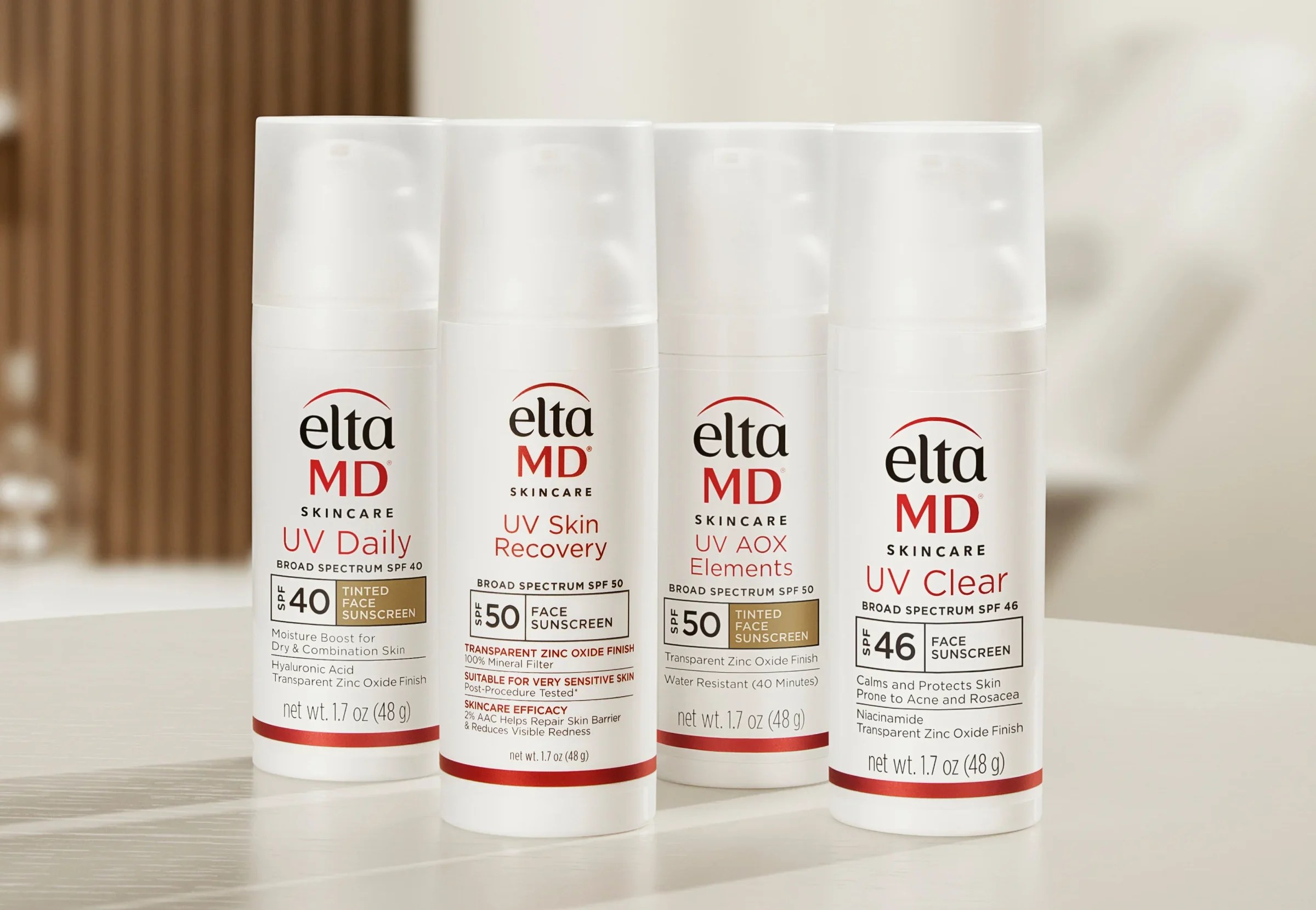 Dermatologists see and understand skin at a much deeper level than the rest of us, and they know that the perfect SPF both protects and corrects your skin. That's why they trust, recommend, and personally use EltaMD more than any other brand. EltaMD's clinically tested formulas are designed with dermatologists to meet the needs of any skin type or condition. They're also designed for consistent daily wear to build long-term resilience with a moisturizing, lightweight, non-comedogenic texture — plus hyaluronic acid to help reduce the appearance of fine lines and wrinkles. Learn more → |

It's clear, then, that more sustainable practices are needed to reduce this impact. Utilizing hydrogen to do so could just be the answer.
"This is a broadly applicable technology for chemical production," Johnson said. "Many chemical processes need electrons. This is not limited to pharmaceuticals. It should be a very versatile technology."

Join our free newsletter for weekly updates on the coolest innovations improving our lives and saving our planet.
Cool Picks