


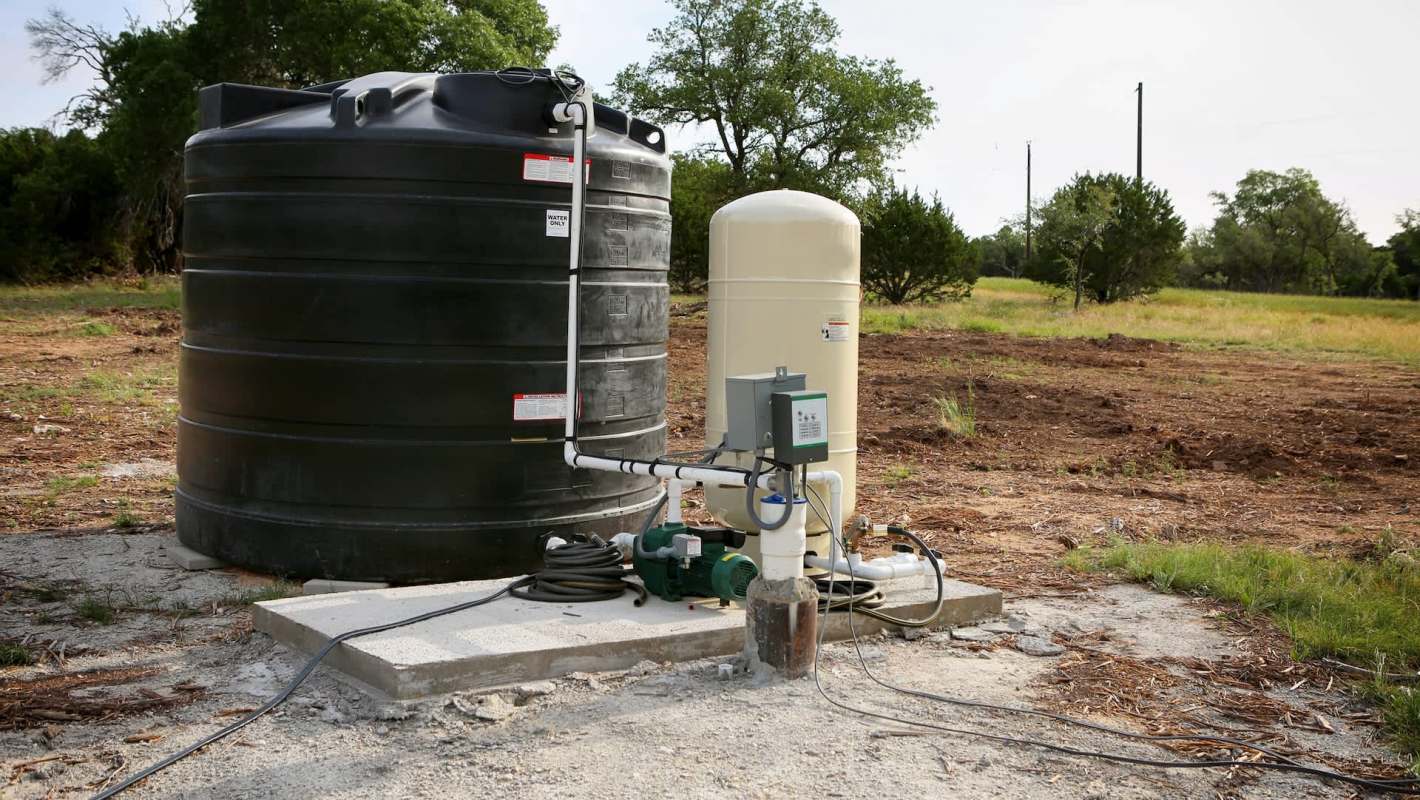
In Stella, Wisconsin, simply drinking the tap water can be dangerous.
After state testing identified some of the highest PFAS levels in the country in local private wells, families around the town were left trying to understand how their water became so badly polluted and what the future holds for them.
What happened?
Roughly 686 residents in Stella, a small town in Oneida County, depend on private wells, and PFAS contamination has become a long-running problem there. Civic Media reported that the Wisconsin Department of Natural Resources began testing in 2022 and ultimately found severe groundwater pollution in the area.
By June 2025, the DNR said 241 wells had been sampled within 3 miles of Stella. Of those, 127 tested positive for PFAS, and 88 exceeded Wisconsin Department of Health Services drinking water standards. Some wells contained more than 35,000 parts per trillion of PFOA and PFOS.
A later DNR site inspection traced the contamination to sludge spread on farm fields dating to the 1980s. That sludge included waste from the City of Rhinelander and a nearby paper mill now owned by Ahlstrom Rhinelander LLC. State officials linked PFAS-treated greaseproof paper production, mostly used for microwave popcorn bags, to at least part of the contamination.
Why does it matter?
PFAS, often referred to as "forever chemicals," do not break down easily, allowing them to remain in water, soil, fish, and wildlife for years. They have also been tied to major health problems, including kidney and testicular cancer, thyroid issues, immune dysfunction, increased cholesterol, and pregnancy-related complications.
TCD Picks » Quince Spotlight
💡These best-sellers from Quince deliver affordable, sustainable luxury for all




That risk is especially troubling in rural communities, where private wells are common and typically are not regulated the same way public water systems are. The burden of testing and treatment often falls on homeowners, adding major costs to an already stressful situation.
In Stella, the consequences reach beyond drinking water. Residents have raised concerns about their children's health, the safety of local fish and deer, and whether contaminated groundwater could affect crops, gardens, and livestock feed.
For many families, the issue extends beyond water safety and leads to questions about what the contamination could mean for property values and whether they can continue living on land their families have relied on for generations.
What's being done?
State and local responses are underway, but many residents say they are not moving fast enough. Ahlstrom started providing bottled water to homes within 3 miles of Stella, while Wisconsin Acts 200 and 201 allocated $133 million for PFAS testing and remediation, including help for private treatment systems through an expanded Well Compensation Grant Program.
The DNR has also expanded sampling and now requires more PFAS monitoring in sludge permits. Still, critics say the rules remain too narrow because they focus heavily on just two PFAS chemicals, PFOA and PFOS. They are also concerned that land application of sludge has not been fully banned.
"Now, when people turn on their faucet, if they haven't had their water tested, they wonder what's in there," said William Casey Crump, chairperson of the Stella town board.
Resident Tom LaDue described the fear: "My sons and their families are going to inherit this place when I pass and I don't like the idea of the lake being contaminated for fishing, swimming and sports."

Get TCD's free newsletters for easy tips, smart advice, and a chance to earn $5,000 toward home upgrades. To see more stories like this one, change your Google preferences here.






