


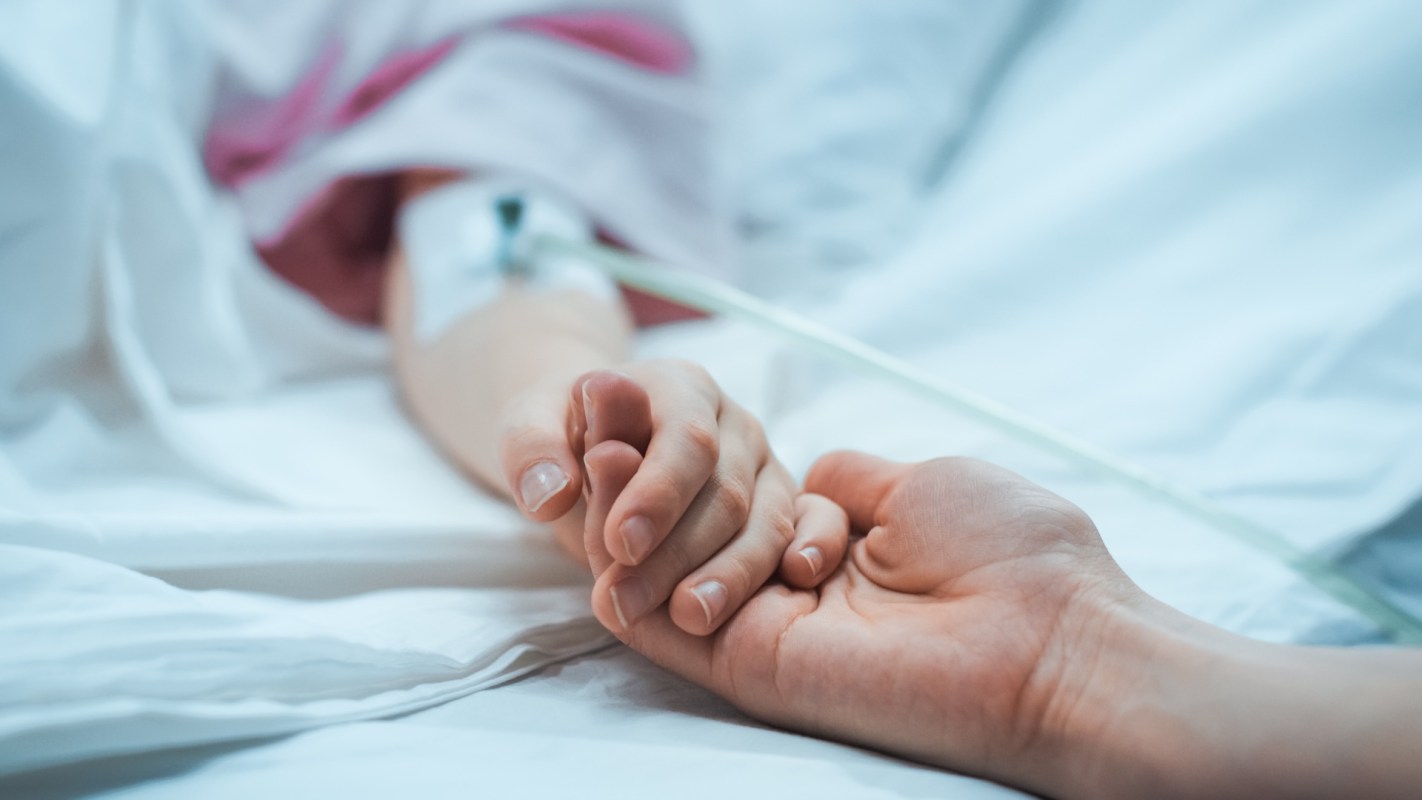
A new study has found that certain pesticides used near farm communities are linked to higher rates of a deadly childhood cancer.
What's happening?
According to the New Lede, a study published in Environmental Research discovered that three insecticides — flonicamid, cypermethrin, or permethrin — along with the fungicide benomyl, used on California farms, contributed to more infants under the age of one being diagnosed with neuroblastoma, a cancer of the nerve cells.
While there are only about 600 to 800 cases in the United States each year, it's the most common type of cancer in infants and is responsible for about 15% of US child cancer deaths annually, per the New Lede.
Julia Heck, the study's senior author and a professor and epidemiologist at the University of North Texas, along with her colleagues, examined data of over 200,000 children born from 1998 to 2016 in California, including nearly 200 who had neuroblastoma.
Estimating the mothers' prenatal exposure to dozens of pesticides that have been attributed to cancer, they found that exposure to flonicamid, cypermethrin, permethrin, and benomyl was linked to a 33%, 53%, 24% and 20% increased risk, respectively, for babies being diagnosed with neuroblastoma.
The Environmental Protection Agency banned benomyl in the US in 2001, and Heck noted that the fact that it's been over 20 years shows the difficulty in measuring the health risks of pesticides.
"There are bans, pests become resistant, pesticide companies come out with new formulations," she said. "It's hard to stay on top of something that changes so fast."
Why are the findings concerning?
As the New Lede reported, the EPA recently classified both permethrin and flonicamid as having "suggestive evidence of carcinogenic potential" and cypermethrin as a "possible human carcinogen," suggesting that further studies should be conducted to determine their impacts.
There is a growing body of evidence that indicates a link between infant and childhood cancer — such as leukemia and brain tumors — and pesticide exposure. Children are particularly vulnerable to pesticide use because their bodies and immune systems are still developing, making them more susceptible to even small amounts of chemical exposure.
The pesticide use on farms is not just a risk to children, but also to pregnant mothers, as it can cause other health problems like miscarriages, low birth weight, and developmental delays.
TCD Picks » Quince Spotlight
💡These best-sellers from Quince deliver affordable, sustainable luxury for all




|
Do you worry about having toxic forever chemicals in your home?
Click your choice to see results and speak your mind. |
 Majorly 😥
 Other studies have found that the toxic weedkiller dicamba could cause higher cancer risks in pregnant women, and another discovered pesticide contamination in around 40% of baby food sold by major brands like Beech-Nut and Gerber. The widespread use of pesticides is concerning, as it can pollute food supplies and water sources and is easily absorbed by the human body.
What's being done to help?
Heck said she hopes the study will catch the attention of either the EPA or the World Health Organization, as pesticide risks should be examined much more urgently, especially when it comes to protecting infants and children.
"We're trying to add evidence that will ideally allow them to take action," she said.
Some ways expecting mothers can reduce their exposure to pesticides and, therefore, keep their babies safe, are to check the Environmental Working Group's guides on produce, which list fruits and vegetables with pesticide residues, and opt for natural pest control methods around the house. If you live near a farm, be sure to remove your shoes to prevent tracking residue into your home, close windows, and minimize your time outside while workers are spraying.

💰Join TCD's exclusive Rewards Club to earn up to $5,000 toward clean upgrades that will help you slash your bills and future-proof your home.
Cool Picks





