


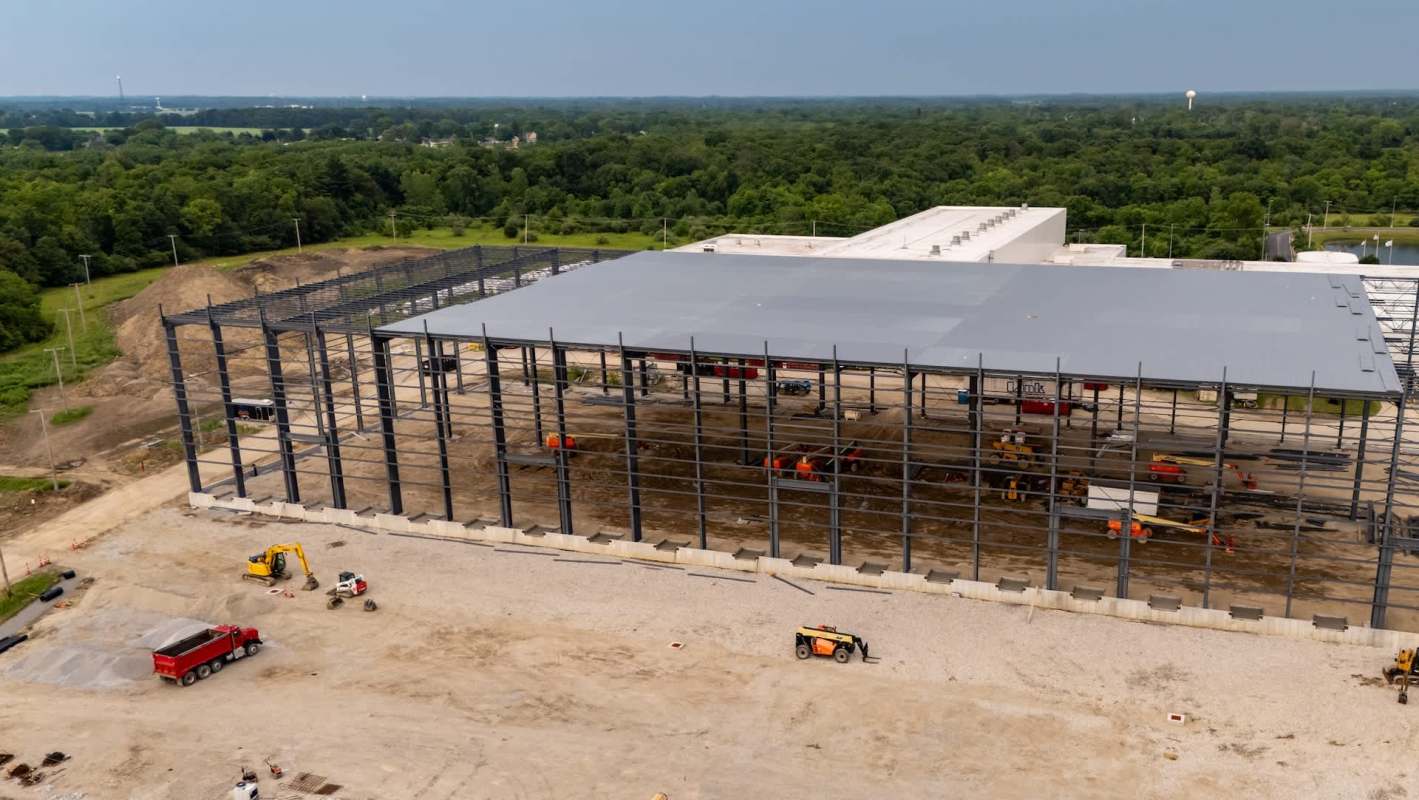
With about 80 data center proposals on the table, Pennsylvania officials are considering whether to put the brakes on the sector's rapid expansion in the state, according to The Allegheny Front.
The rush to build the facilities that power artificial intelligence has also turned the fight into a test of how states handle the real-world demands of the AI boom, from electricity use and water consumption to who benefits from tax incentives and how much.
What's happening?
In Harrisburg, lawmakers have spent recent months weighing a set of bills aimed at giving communities more say over where and how data centers are built, The Allegheny Front reported this week after speaking with Pennsylvania Capital-Star reporter Peter Hall about the issue.
House Bill 2496 is meant to create breathing room for local governments. As Hall described, it would allow municipalities to pause new data center applications for six months so they can revise zoning rules.
"Importantly, the pause would be retroactive or reach back to the point when officials advertise that they were going to pursue a moratorium," Hall told the Front.
The measure won near-unanimous approval in the state House, but the Senate left for summer recess without bringing it to a vote. "The next chance for a vote will be at the end of September when they come back," Hall said.
TCD Picks » Quince Spotlight
💡These best-sellers from Quince deliver affordable, sustainable luxury for all




Lawmakers have also considered a bill that would write Gov. Josh Shapiro's Responsible Infrastructure Development, or GRID, standards into law. Developers would need state certification to keep receiving the existing 6% sales‑tax exemption on computer equipment, Hall told the local outlet.
Under that framework, the Front reported, companies would have to identify their ownership, lay out water-use plans, and detail workforce and community commitments. The standards would also require an increasing share of Pennsylvania-sourced clean power until it reached 32% of a project's total electricity use by 2035, along with at least $250 million in new investment.
Why does it matter?
Data centers are essential to digital operations such as cloud computing and AI systems, and their rapid growth is closely tied to the energy grid since these operations can require a lot of power.
AI can help utilities forecast demand, improve efficiency, and better integrate clean energy, but the infrastructure behind the technology can also consume enormous amounts of electricity and water. It can raise security and misuse concerns too, and it can contribute to higher household energy bills if grid costs are passed on to ratepayers.
In Pennsylvania, Hall said, some officials are worried about "speculative and duplicative loads for data centers that may never happen," creating "a false demand signal in the electricity markets." If utilities build around inflated projections, residents could end up paying for infrastructure that is not actually needed.
Tax incentives have become another point of conflict. Some lawmakers want to scrap the sales tax exemption, arguing that billion-dollar companies such as Amazon, Google, and Meta don't need public subsidies.
What's being done?
Although the biggest data center bills have stalled for now, the issue was included in Pennsylvania's newly passed fiscal code.
Lawmakers added measures to increase oversight of PJM Interconnection's demand forecasts for Pennsylvania's grid, Hall said.
Another provision would require data center owners to file yearly reports on their energy and water use. A separate measure would require local electric utilities to show the Pennsylvania Public Utilities Commission that they considered "advanced transmission technologies" before building expensive new transmission lines. Hall noted that some newer conductors can reduce heat-related energy loss compared with traditional lines.
Much of the decision-making around data centers can still happen at the local level. Municipalities can update zoning ordinances, and township meetings are where questions about water supplies, electric rates, and local standards are often raised before construction begins.
That local scrutiny may become even more important if lawmakers revisit a statewide pause when they return in late September. Pennsylvania environmental groups are already pushing back against a separate data center project in the state, an issue that raises its own set of health and pollution questions.

Get TCD's free newsletters for easy tips, smart advice, and a chance to earn $5,000 toward home upgrades. To see more stories like this one, change your Google preferences here.






