


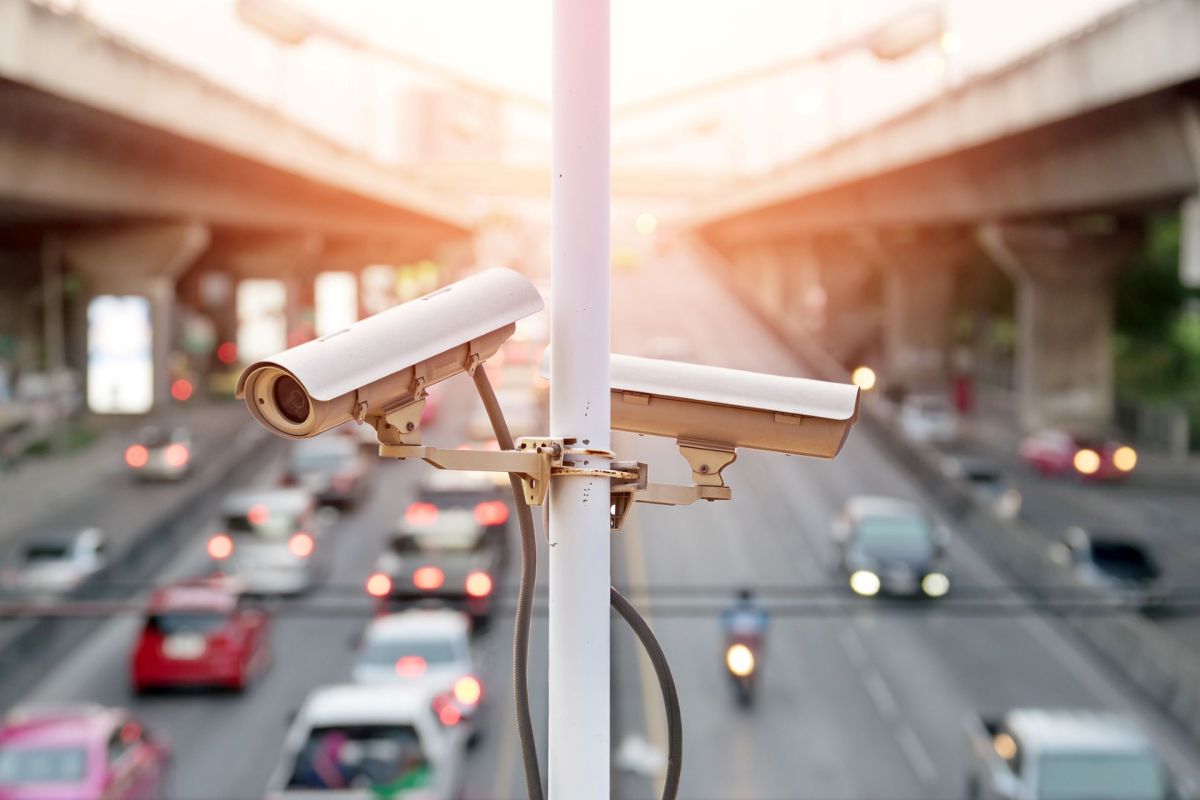
Residents in one Illinois city are pushing back against a proposed renewal of dozens of license plate-reading cameras, saying public safety should not come at the cost of constant surveillance.
What happened?
Instead of deciding Monday whether to extend Pekin's agreement with Flock Safety, the City Council unanimously chose to wait, per 25 News Now. The 6-0 vote delays the matter for two weeks.
Pekin police have relied on the camera network for the past three years and want to continue using it. As 25News Now reported, the proposed renewal for 54 license plate-reading cameras carries a $174,000 price tag and would be paid for through a multiyear Illinois grant.
Opponents told city leaders that the system amounts to excessive surveillance.
"Why don't we work with the police department and say, 'OK fine, we're going to get rid of these...If there is an issue with stolen cars, ok what can we do to help you with that?; If there is an issue with child trafficking, what can we do to help you with that?'" Pekin resident Zoey Carter suggested, per 25 News Now.
Police Chief Seth Ranney, meanwhile, defended the cameras as an "invaluable tool."
TCD Picks » Quince Spotlight
💡These best-sellers from Quince deliver affordable, sustainable luxury for all




"You know, it's no secret we do have drugs in this community.," he countered, according to the station. "We use it a lot to enforce the drug laws and to do our narcotics investigations."
Why does it matter?
The debate extends beyond a single city contract. License plate readers can quietly collect location data on residents who are not suspected of any crime, raising concerns about how that information is stored, shared, and accessed.
Privacy concerns surrounding Flock have been shaped by earlier disputes. According to 25News Now, Illinois Secretary of State Alexi Giannoulias said last year that he had concerns after the company was accused of providing camera data to federal border agents.
The company later paused pilot efforts with U.S. Customs and Border Protection, the station noted.
Critics have also pointed to accusations of misuse by individual officers. As 25News Now reported, a North Carolina police officer has been accused of using Flock cameras to follow her boyfriend's ex-wife.
Another point of contention is Ranney's push to bypass competitive bidding, as noted by 25News Now. He argues that switching to a different provider would be expensive and leave the Pekin police without access to data from other communities that use Flock's network.
What's being done?
No final decision has been made. According to 25News Now, the council moved the vote to its Monday, Aug. 24 meeting, giving residents and officials more time to examine the trade-offs between crime prevention and privacy.
The delay leaves open questions about how the data is used, who can search it, how long it is kept, and what guardrails exist to prevent misuse by officers or outside agencies. Similar contentious decisions are playing out with Flock around the country.
As Pekin weighs its next move, the divide remains sharp, with Ranney touting the tech's aid in solving cases while residents argue it is invasive.
"Let's not do it in a way that surveils every single citizen in this town," Carter asked, according to 25News Now.

Get TCD's free newsletters for easy tips, smart advice, and a chance to earn $5,000 toward home upgrades. To see more stories like this one, change your Google preferences here.






