


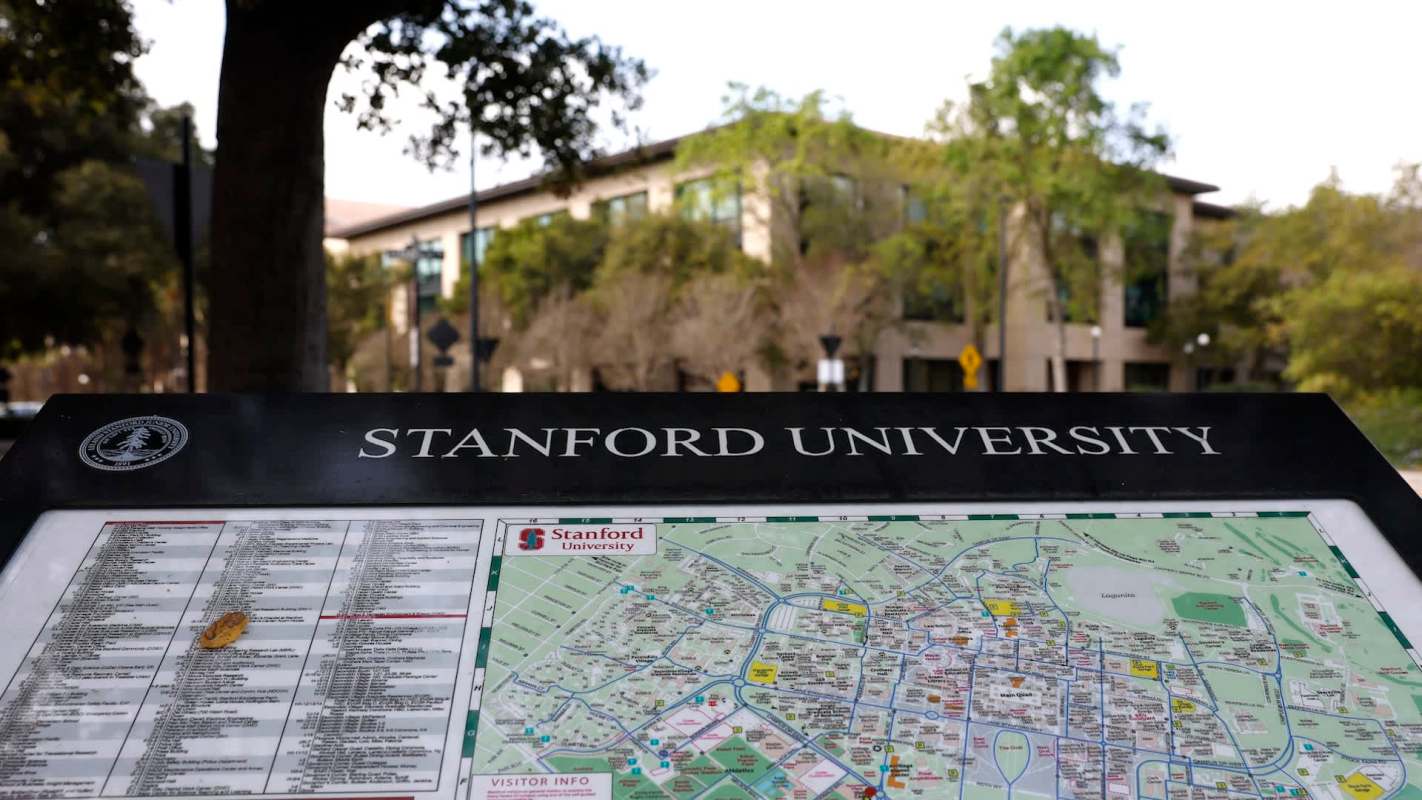
Stanford University's license plate readers went dark in late July after the school ended its deal with Flock Safety, a controversial surveillance company whose camera network has faced growing scrutiny in California.
What happened?
After choosing Genetec Cloudrunner to replace Flock Safety, Stanford disabled and covered its plate-reading cameras in late July. The new system, along with its solar-powered hardware, is expected to be installed by early September.
As KQED reported, Stanford spokesperson Luisa Rapport said the university's decision was driven as much by privacy concerns as by security needs.
In a Stanford press release, Patrick Dunkley, the university's vice provost for institutional equity, access and community, said, "Unlike the Flock system, the new system is designed for use within a single institution."
Each vehicle that passes a Flock camera is photographed and assigned what the company calls a "vehicle fingerprint," which can include the plate number, make, model, and visible features like bumper stickers or dents, per KQED.
Those records can then be searched through Flock's broader agency network, though Stanford said information gathered on its campus was not shared in that way.
TCD Picks » Quince Spotlight
💡These best-sellers from Quince deliver affordable, sustainable luxury for all




A Stanford report covering September 2024 through August 2025 listed 1,742 searches in the Flock system across 129 investigations by 20 employees. The same report said the cameras were used in property and violent crime cases, stalking investigations, welfare checks, missing-person searches, and in the arrest of two serial thieves.
Why does it matter?
The switch comes amid a broader debate over how much surveillance communities are willing to accept in the name of safety, and who gets access to the information once it is collected.
Stanford's move also comes as Bay Area governments reconsider Flock. Santa Cruz canceled its contract in January after officials said agencies from outside California had accessed its data, and Mountain View turned off its cameras in February after finding the same issue, according to KQED.
At the same time, some local governments are trying to preserve the crime-fighting benefits of license plate readers while putting stricter safeguards in place.

Get TCD's free newsletters for easy tips, smart advice, and a chance to earn $5,000 toward home upgrades. To see more stories like this one, change your Google preferences here.






