Singapore-based Flint is likely the envy of the origami world after its latest announcement, which has nothing to do with paper cranes.
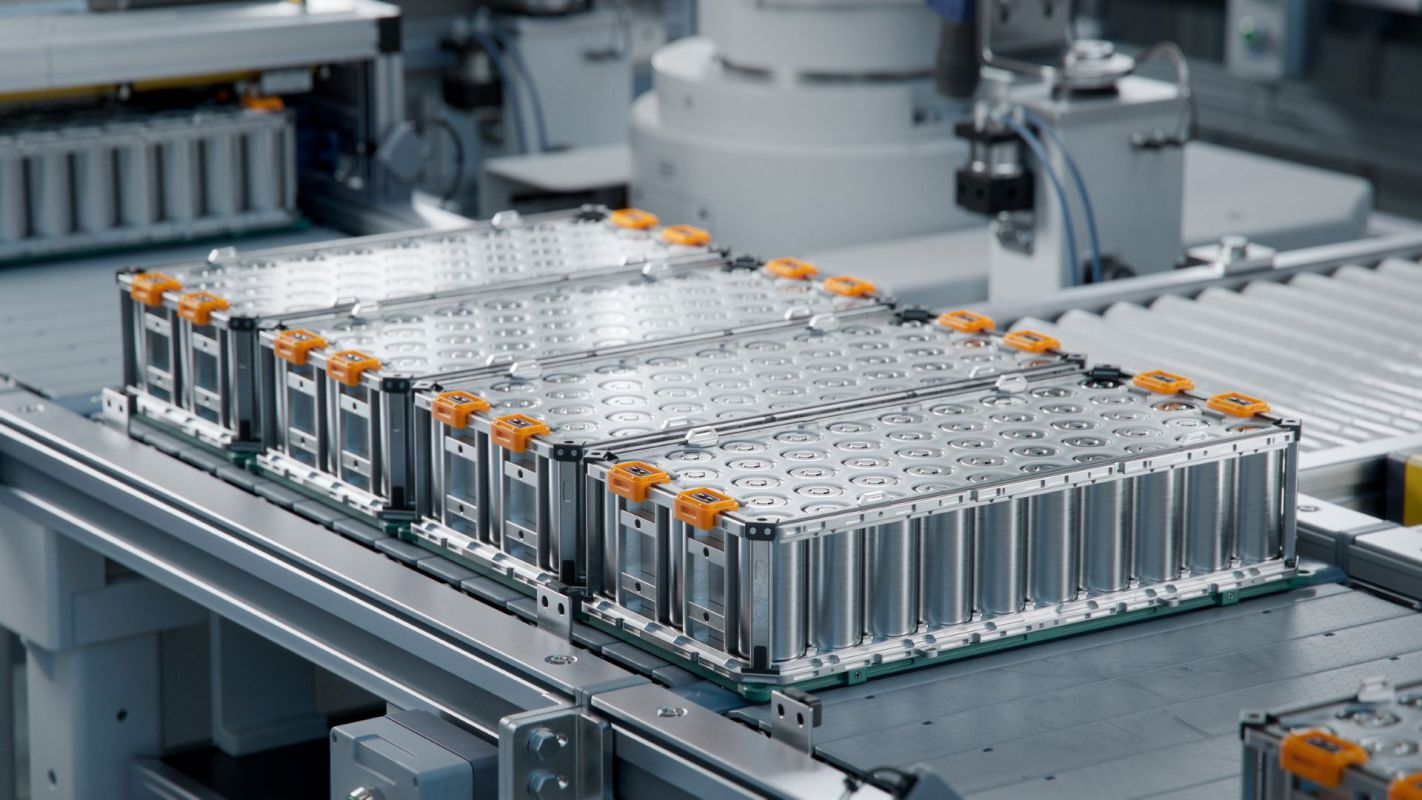
The tech company reported that it has started manufacturing biodegradable paper batteries using water, cellulose, and other sustainable materials.
Full fruition of the effort would mean cleaner packs that can be scaled to power hearing aids and even be used for large-scale energy storage.
Flint listed sensors and space-based equipment as other possibilities. CleanTechnica reported that the news puts so-called paper batteries one step closer to powering electric vehicles.
"Entering production is a turning point because it means our paper batteries can move beyond prototypes and into real devices, at real volumes, with quality controls that customers can validate," Flint CEO Carlo Charles said in a news release.
But its end-of-life scenario might be the most important element of the technology. Unlike traditional batteries, Flint's product is made from 100% recyclable, nontoxic materials that safely decompose.
That's crucial, because typical lithium-ion packs can leach hazardous substances into the environment if improperly discarded, according to a study published by the National Library of Medicine.
Battery buffs will recognize core parts in Flint's pack: anode, cathode, and electrolyte. It's what's missing that's peculiar. There's no lithium, cobalt, or nickel — the high-cost, hard-to-gather materials in common lithium-ion batteries.
Proprietary chemistry and cellulose's ability to act as an ion-transfer medium enable the pack to function, according to Flint.
The paper battery also clears safety hurdles. Water-based chemistry eliminates the rare, yet serious, fire risks associated with traditional packs. Importantly, it can be built at low cost, at scale, and independent from traditional supply chains that can be problematic, per the company.
TCD Picks » Upway Spotlight
💡Upway makes it easy to find discounts of up to 60% on premium e-bike brands





|
What's the most you'd pay per month to put solar panels on your roof if there was no down payment?
Click your choice to see results and speak your mind. |
 $200 or more 💰
 "Reinventing batteries isn't only about chemistry, it's about building something you can manufacture," Charles said.
Other interesting innovations geared to meet those goals include sodium-based packs and energy storage with toothpaste-like electrodes.
Battery improvements can also help EVs. Lighter, better-performing packs travel farther, charge faster, and cost less than existing ones.
But lithium-ion tech isn't leaving motorists in the lurch. Edmunds has a list of more than 50 EVs that can travel over 300 miles on a single charge, for example.
Now is a great time to buy or lease an EV, as many states offer incentives to help you with the purchase and charging.
EV drivers typically save up to $1,500 in gas and maintenance costs, with no spark plugs or oil changes to worry about. What's more, home solar panels can expand the savings by providing abundant energy via the sun to charge the ride.
The Cool Down's Solar Explorer will connect you with trusted partners who can curate competitive quotes, find the best local installers, and help you to get the best products to buy or lease at the right price.
In addition to saving drivers money in the long term, EVs can help limit harmful exhaust pollution in your community.
Flint's production start is a good sign that the company is on schedule. In late 2024, it announced a $2 million investment. Next, officials hope to expand into Europe. They are working out of a new 8,000-square-foot facility to pilot concepts and scale production, per the company's press release.
"It shows the world that there's a credible path to making batteries without relying on the same centralized lithium supply chains the industry has depended on for decades," Charles said.
"Our technology is designed to be manufactured closer to where products are used, and Singapore gives us the infrastructure to prove that at production scale."

Get TCD's free newsletters for easy tips to save more, waste less, and make smarter choices — and earn up to $5,000 toward clean upgrades in TCD's exclusive Rewards Club.
Cool Picks