


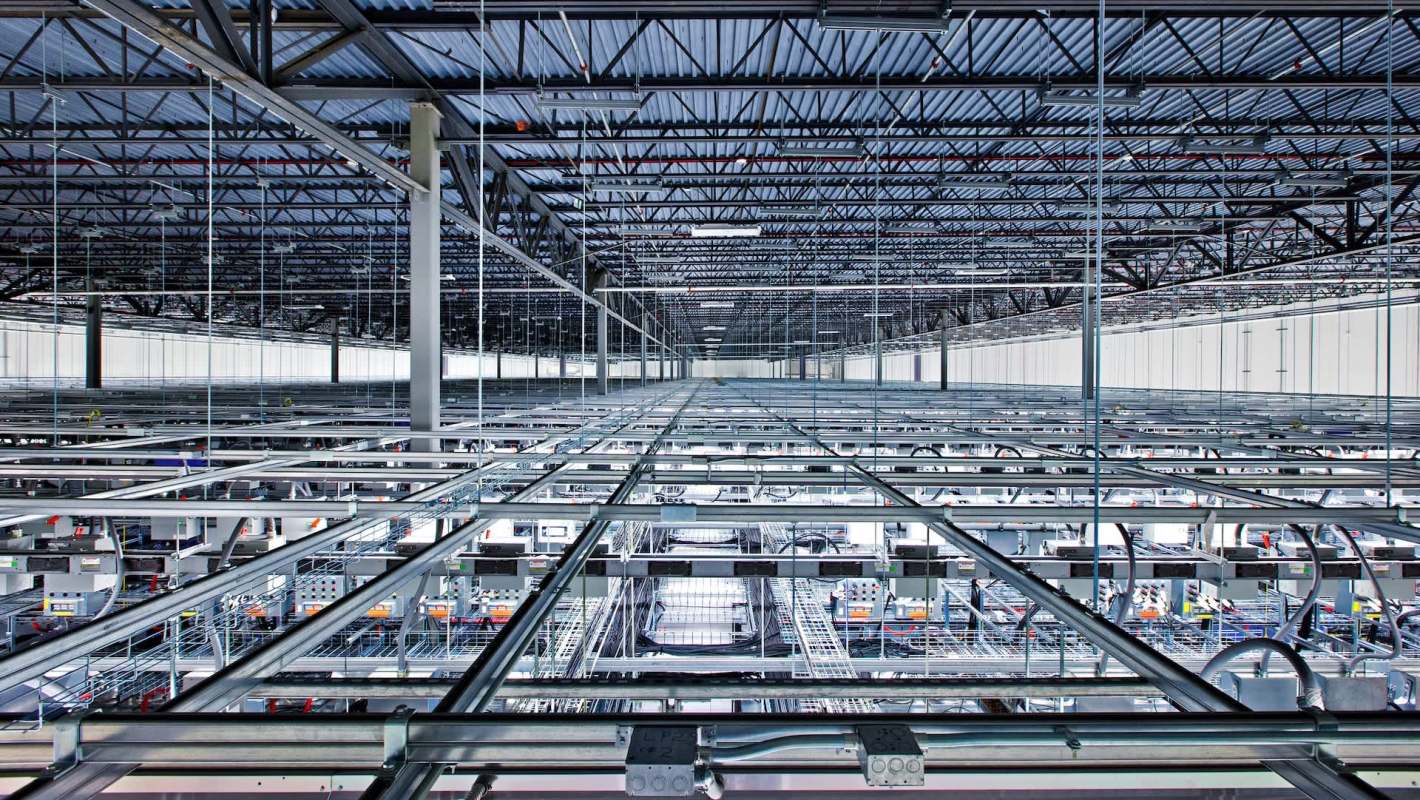
A Monday council meeting in Palo, Iowa, drew more people than Palo City Hall could comfortably hold, highlighting the intensity of local interest in the city's new data center ordinance. Officials gave the rules final approval, setting parameters that could influence how the small Iowa community responds to a potentially large tech project.
Even with the ordinance passing on a 4-1 vote, the argument over it is clearly continuing.
What happened?
With Council member Doug Hanover casting the only no vote, Palo's City Council adopted an ordinance that The Gazette said establishes basic standards for where data centers can locate and how they can be developed inside city limits.
According to The Gazette, Palo based much of its ordinance on Linn County's earlier data center rules, but its version puts greater emphasis on the Iowa Department of Natural Resources in evaluating possible water-use effects. The measure also requires a major site plan describing a project's layout, timeline, and expected jobs. Any city infrastructure upgrades tied to a project would be paid for by the developer.
Google has said it wants nearby unincorporated Linn County land brought into Palo through annexation for data center development, though no active application is before the city right now. Mayor Bryan Busch told The Gazette that the company has not provided a timeline for any annexation request.
Backing the ordinance, Council member Eric Van Kerckhove said, "This ordinance gives Palo the ability to set the terms, protect our community and ensure that any development, if it moves forward, does so under rules written by Palo for Palo."
TCD Picks » Quince Spotlight
💡These best-sellers from Quince deliver affordable, sustainable luxury for all




Why does it matter?
Much of the opposition has focused on infrastructure, with residents warning that a hyperscale data center could put heavy pressure on Palo's electric grid and water system. Rural Palo resident Brenda Lane told council members, "It appears to us that you're prioritizing the acquisition of this project over addressing safety concerns," according to The Gazette.
Those concerns reflect a much broader national debate. AI tools depend on enormous data centers, and those facilities can require vast amounts of electricity and, in some cases, significant water for cooling. At the same time, AI can help utilities forecast demand, reduce waste, and better integrate cleaner energy sources into the grid.
The same technology promising greater efficiency can also drive up power demand, strain local resources, increase energy costs, and introduce new security or misuse risks if expansion outpaces planning.
What's being done?
Palo has now adopted a general framework, though officials have indicated that many of the most significant concerns would probably be handled later through a project-specific development agreement if Google or another company formally proceeds, the Gazette noted.
Linn County is taking a different route. The county recently approved an 18-month halt on data center projects in unincorporated areas, while planners also consider a possible exception for facilities connected to nuclear generation. The proposed Google site is close to the Duane Arnold Energy Center, and owner NextEra Energy plans to restart nuclear operations there by early 2029 if regulators approve.
Describing the county's work as preliminary, Linn County Planning and Development Director Charlie Nichols said: "So the goal tonight is to start taking public comment on this but not to have any draft ordinance language to discuss. It's still too early on in the process to do that."
Lane urged the city to take a tougher approach, saying, "I implore you to strengthen this ordinance, as other towns have done, and ensure that any future developer is held accountable before the situation becomes irreversible."

Get TCD's free newsletters for easy tips, smart advice, and a chance to earn $5,000 toward home upgrades. To see more stories like this one, change your Google preferences here.






