


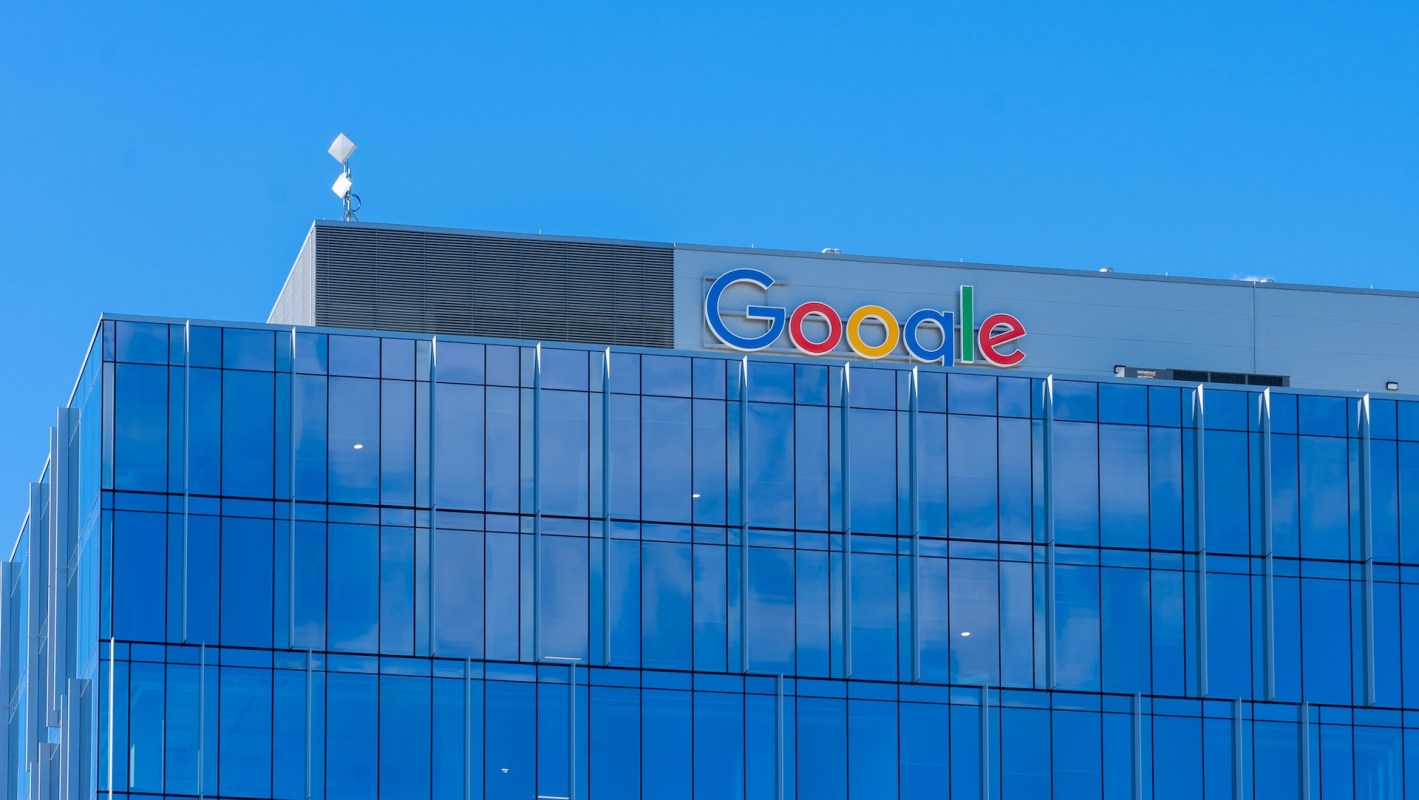
A small Iowa city has taken a significant step in an ongoing debate over whether to make room for a proposed Google data center. After hours of testimony from residents, Palo's City Council advanced a zoning ordinance that could help determine how and whether the project moves forward.
What happened?
At Monday's meeting, July 13, the council voted 4-1 to advance the ordinance on its second reading, the Corridor Business Journal reported. Held at the Palo Community Center, the session ran for nearly three hours, attracted about 120 attendees, and featured comments from more than two dozen residents.
Only Council member Doug Hanover voted against the measure, saying he still wanted additional information about Google's plans and the project's local impact. Mayor Bryan Busch said the vote dealt with the ordinance itself, not the data center project, and said the proposal would set up a zoning district dedicated to data centers.
Before Palo became involved, Google had been in discussions with Linn County about placing the facility on unincorporated property near the Duane Arnold Energy Center. The company later opened preliminary talks with Palo about annexation after Linn County approved its own data center ordinance on Feb. 18.
Why does it matter?
For communities such as Palo, data centers can bring the promise of tax revenue, construction activity, and a stronger role in the digital economy. But they can also raise concerns about land use, infrastructure costs, legal risk, and whether local residents will have enough influence over a project.
As AI continues to expand, data centers require enormous computing power and are closely tied to the energy grid, often using substantial amounts of electricity and water for cooling.
TCD Picks » Quince Spotlight
💡These best-sellers from Quince deliver affordable, sustainable luxury for all




AI can also help utilities forecast demand, improve grid efficiency, and better integrate cleaner energy sources. Cities are weighing those potential benefits against risks such as higher energy use, water strain, security concerns, misuse, and higher utility bills if major infrastructure upgrades are passed on to customers.
Those worries surfaced in public testimony. Melissa Duffield of Cedar Rapids told council members, "If you vote yes in the second reading tonight, you're not securing Palo's future. You are opening the city up to costly and protracted litigation."
Similar criticism came from Wally Taylor, a rural Linn County attorney and environmental advocate, who said Palo's ordinance still fell short.
Palo isn't alone in weighing these tradeoffs. Woodbury County, Iowa, recently approved a one-year moratorium on new data center development in its unincorporated areas as officials there sort through similar concerns about water use, electricity demand, and utility costs.
What's being done?
Palo is still moving through its local rulemaking process, with no final decision yet on Google's project. If adopted, the ordinance would create an exclusive zoning district for data centers and provide the city with a formal mechanism to review such development.
One possible path would place the 545-acre data center sites within Palo through annexation, which would allow the city to regulate development directly and collect all property tax revenue. If the project remains in unincorporated Linn County, Palo would not have direct control over it.
A final vote on the ordinance is set for the council's July 20 meeting.
Even with that process continuing, Busch has said this isn't a vote on the data center project itself. Critics are still warning of legal consequences.

Get TCD's free newsletters for easy tips, smart advice, and a chance to earn $5,000 toward home upgrades. To see more stories like this one, change your Google preferences here.






