


Engineers in the U.K. are taking cues from one of nature's most skilled aviators — the owl — to design smarter, more agile drones that could transform how we inspect sprawling wind farms and dense urban skylines.
At the University of Surrey, researchers have developed fixed-wing drones that combine the range of airplanes with the precise flight skills of birds of prey. Their project, called Learning2Fly, studies how owls and hawks navigate tight spaces and turbulent winds. It then uses that data to teach drones (with machine learning) to predict motion and adapt midair.
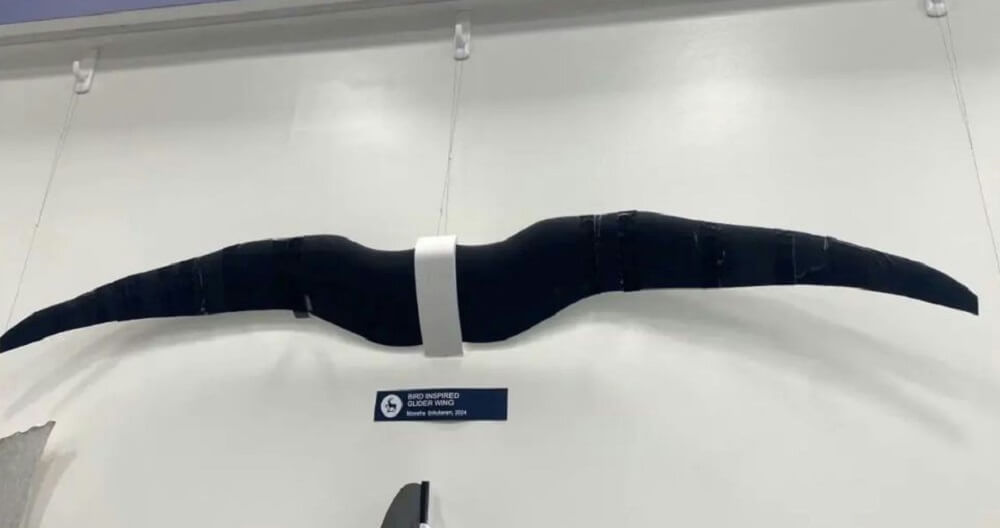
"Nature has already solved many of the challenges we face in drone flight," said Dr. Olaf Marxen, senior lecturer at Surrey, to Interesting Engineering. "Birds of prey can perform incredibly precise manoeuvres in complex environments, and we're using those lessons to make fixed-wing drones smarter, more agile, and better suited to cities with tall buildings or rapidly changing wind conditions."
Instead of relying on expensive simulations, the team tests lightweight prototypes in a motion-capture lab equipped with high-speed cameras and onboard sensors. Each experiment refines the drones' machine learning model, helping them anticipate airflow changes in real time. Ultimately, this could help create inspection drones that can safely and efficiently maneuver around massive offshore wind turbines, with no pilot needed.
The reason this stands out in drone tech is that it combines the best features of both types of existing drones without their drawbacks. While fixed-wing drones have more stamina, they're less stable. And rotary-wing drones are more agile, but the battery doesn't last as long. A drone informed by aviators perfected in nature could bridge the gap.
We see drones making a big difference in many ways these days, from tackling the problem of stressed crops to helping with wildlife conservation. For energy companies, that kind of self-correcting drone could be a game-changer. Smarter inspections mean fewer costly maintenance trips, faster data collection, and less downtime for turbines. Ultimately, this could help lower electricity costs and make wind energy more reliable for consumers. By reducing our reliance on fuel-powered service vessels, we also cut down on pollution associated with these operations. That's great news for both energy efficiency and public health.
TCD Picks » Quince Spotlight
💡These best-sellers from Quince deliver affordable, sustainable luxury for all




As PhD co-lead Owen Wastell put it, "It's humbling that in an era of advanced machines and technology, we're still looking to the natural world – and one of the oldest living species on the planet – for inspiration."
|
Do you think America does a good job of protecting its natural beauty? Click your choice to see results and speak your mind. |
 Definitely 👍
Join our free newsletter for weekly updates on the latest innovations improving our lives and shaping our future, and don't miss this cool list of easy ways to help yourself while helping the planet.






