


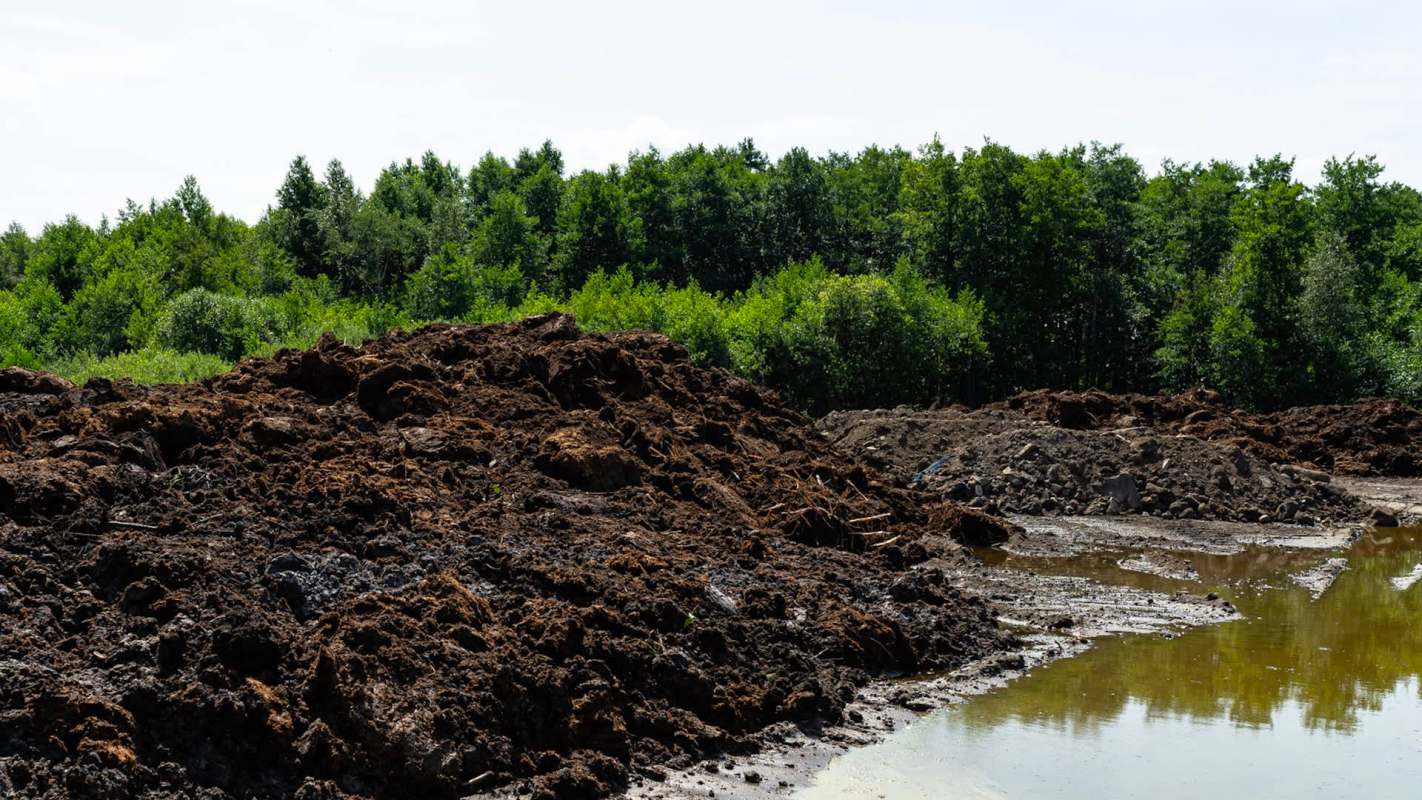
Environmental and public-interest organizations have sued Oregon regulators, alleging that a new factory farm permit does not adequately protect communities from manure-related pollution.
At the center of the debate is a question with everyday consequences: can rural families trust the water coming from their taps and wells?
What happened?
According to a press release from the Center for Food Safety, the organizations Animal Legal Defense Fund, Center for Food Safety, Food & Water Watch, and Willamette Riverkeeper filed suit against the state's agriculture and environmental quality agencies.
The groups argue that Oregon's updated general permit for factory farms lacks the monitoring and safeguards needed to keep toxic waste out of waterways.
About 350 large livestock operations are covered by the permit, accounting for more than 65% of Oregon's factory farms. Those sites produce enormous quantities of waste, much of which is kept in open lagoons or sprayed onto fields.
Willamette Riverkeeper Staff Attorney Lindsey Hutchison said, "Monitoring is absolutely vital to ensure clean water for our communities." She said that, without adequate oversight, regulators are allowing "an industry notorious for polluting" to keep contaminating waterways without meaningful enforcement.
TCD Picks » Quince Spotlight
💡These best-sellers from Quince deliver affordable, sustainable luxury for all




Before filing the lawsuit, the same groups had submitted public comments arguing that the draft permit needed stronger pollution controls to comply with clean water laws.
Why does it matter?
Advocates say the stakes are high for rural residents because groundwater is a main drinking water source — providing 80% of the drinking water supply for rural Oregonians. Factory farm pollution could threaten that supply, since the coalition cited nitrate contamination, along with waste containing heavy metals and pharmaceuticals.
They also pointed to Oregon's 122,800 miles of impaired rivers and streams and three groundwater management areas established after nitrate levels became dangerously high.
These environmental and health concerns disproportionately affect marginalized communities. According to the groups, the drinking water crisis overwhelmingly affects rural, low-wealth communities of color.
In an analysis cited in the Center for Food Safety press release, Food & Water Watch estimated that Oregon's mega-dairy milk cows produced more than four billion pounds of manure in 2022 — about enough to fill two-and-a-half Olympic swimming pools per day.
What's being done?
Through the case, the petitioners are asking the court to require a permit with stronger monitoring, clearer enforcement, and protections that better reflect how waste from industrial livestock operations can reach streams and groundwater.
Center for Food Safety attorney Suzannah Smith said the current permit "greenlights 350 massive factory farms" while "ignoring significant pollution sources." Food & Water Watch Legal Director Tarah Heinzen argued that regulators have allowed factory farms to keep polluting "with far too little oversight."
The case could help determine whether Oregon's rules push agriculture toward a cleaner future or continue allowing the costs of contamination to hurt nearby communities. Stronger monitoring would not solve every issue, but it could significantly make it harder for pollution to go undetected.
"We need strong permits that prioritize clean water over industry profits," Heinzen said. "Strengthening this permit is not just common sense—it's the state's legal obligation," said Christine Ball-Blakely, senior staff attorney with the Animal Legal Defense Fund.

Get TCD's free newsletters for easy tips, smart advice, and a chance to earn $5,000 toward home upgrades. To see more stories like this one, change your Google preferences here.






