


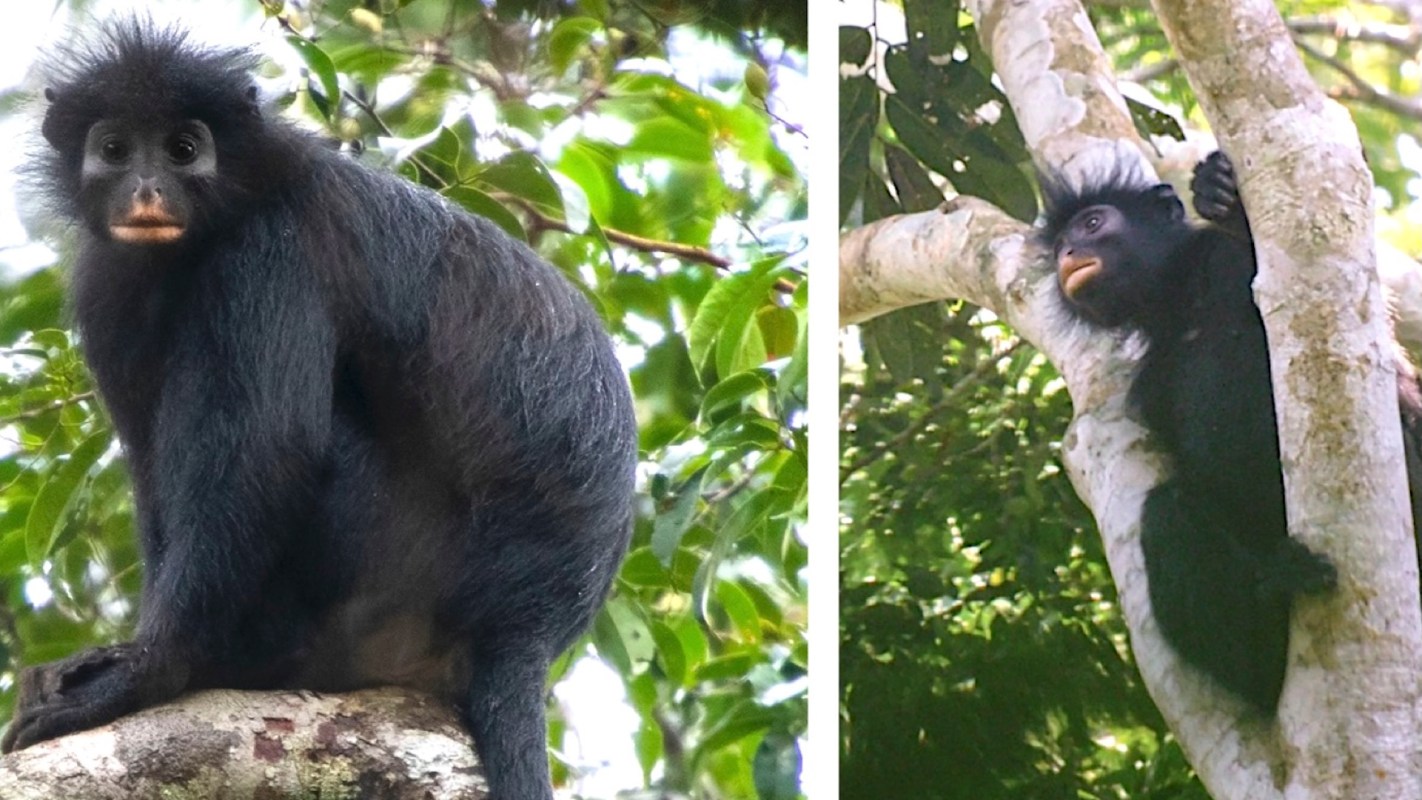
Scientists have confirmed that an unusual monkey familiar to people in the Democratic Republic of the Congo is a species previously unknown to science, Euronews reported.
What happened?
The monkey has now been formally named Colobus congoensis, though members of the Balanga ethnic group have long known it as the Likweli.
According to Euronews, its identification came nearly two decades after researchers took a blurry photo of the unfamiliar animal in 2008.
Now, a team of scientists has published their findings about the Likweli in the peer-reviewed journal PLOS One. The primate, which bears a striking orange mouth, lives high in the treetops of what is now Lomami National Park in the DR Congo.
The researchers involved in the study have recommended that it be classified as endangered.
With this addition, scientists now recognize six Colobus species, all native to Africa. The Likweli is also just the fifth African monkey species to be identified from a previously unknown wild population in the past 75 years, per Euronews.
TCD Picks » Quince Spotlight
💡These best-sellers from Quince deliver affordable, sustainable luxury for all




Over the course of the study, the team documented 114 sightings of the animal across over 650 square miles of forest.
Researchers relied on several kinds of evidence to determine that the monkey was a distinct species. Between 2018 and 2022, they worked in remote forests, analyzed genetic samples, and recorded the animal's loud "frog-like" roars. They also interviewed residents in 52 villages.
Why is this important?
New primate discoveries are uncommon, and this one comes with immediate concern. Researchers say habitat destruction, hunting, and increasing human activity are endangering the Likweli, leading them to recommend endangered status.
Primates help keep forests functioning, and healthy tropical forests store enormous amounts of carbon, support rainfall patterns, and protect biodiversity that people depend on for food, water, and long-term climate stability.
This study also shows that conservation often depends on the knowledge of people who know these landscapes firsthand.
Protecting wildlife and protecting people are often part of the same work. When forests remain healthy, nearby communities are better positioned to benefit from more stable ecosystems and fewer environmental shocks.

Get TCD's free newsletters for easy tips, smart advice, and a chance to earn $5,000 toward home upgrades. To see more stories like this one, change your Google preferences here.






