


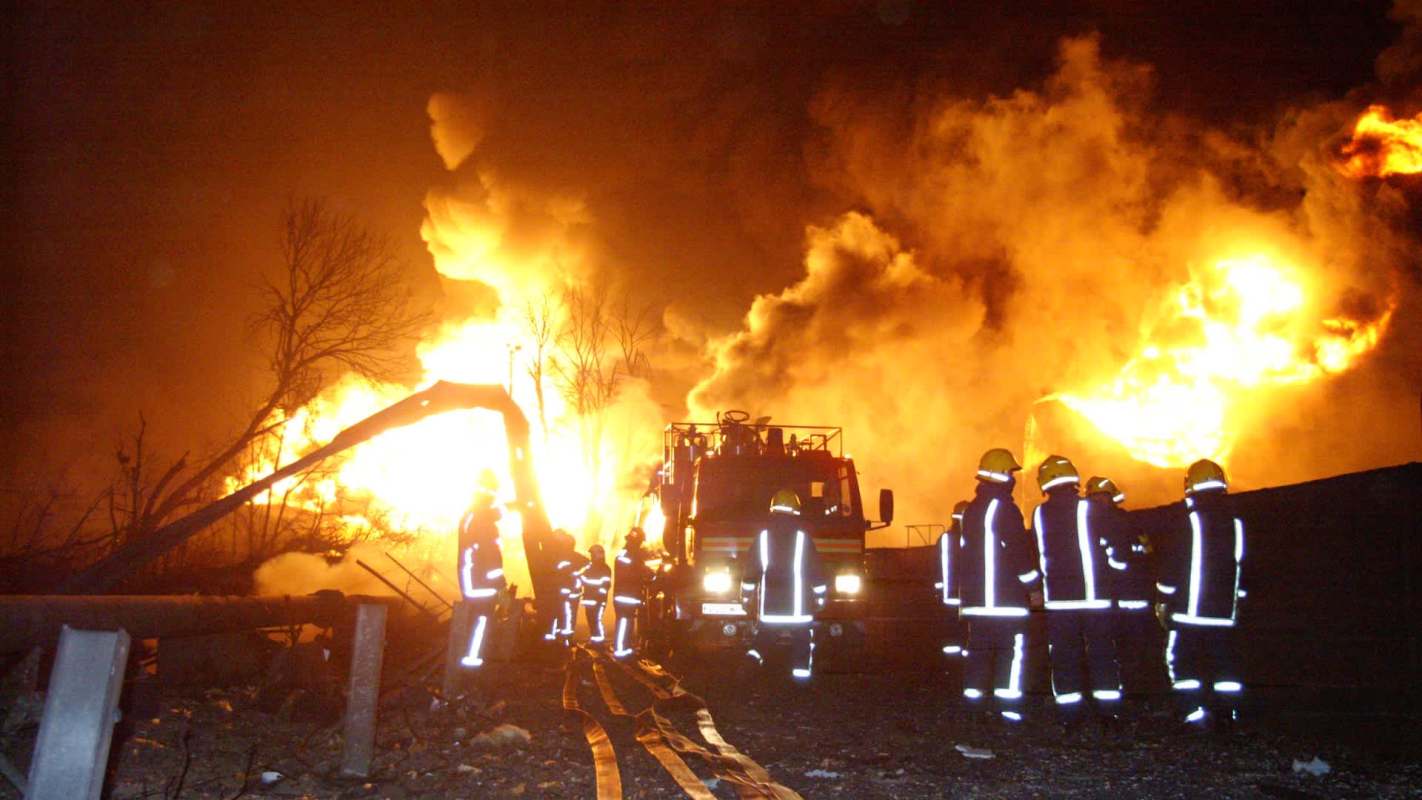
Reported oil and gas incidents in Ohio more than doubled between 2015 and 2025, raising concerns about proper oversight and how potentially dangerous events have been classified. An analysis of state records by FracTracker Alliance found that annual incidents rose from 103 to 268 over that period, with a total tally of 2,529 incidents.
Here's what to know
FracTracker Alliance, working with Buckeye Environmental Network, analyzed Ohio Department of Natural Resources records covering 2015 through 2025, according to the Ohio Capital Journal. The reported incidents spanned 73 of Ohio's 88 counties, with most concentrated in the eastern part of the state.
Stark County recorded the highest total at 133 incidents, followed by Noble County at 129, according to the Ohio Capital Journal. Trumbull and Guernsey counties each recorded 114.
Statewide, releases or discharges accounted for more than 1,200 reported incidents. Additionally, reports showed 108 fires, 94 incidents classified as explosions or fires, and six injuries.
In a statement responding to the report, the Ohio Oil and Gas Association, an industry group, said the analysis was not "an objective assessment of Ohio's energy industry."
More background
The report pointed out a number of incidents that ODNR classified as "minor" that appeared to be quite dangerous. For example, in Gallia County, an unspecified amount of wastewater from oil and gas operations escaped during well plugging, according to the Ohio Capital Journal. Despite records showing that the well had been "flowing overnight with no well control in place," the incident was classified as minor.
TCD Picks » Quince Spotlight
💡These best-sellers from Quince deliver affordable, sustainable luxury for all




Similarly, a 2016 incident in Columbiana County received the same classification, even though the report described static electricity triggering an explosion of a well's storage tanks, according to the Ohio Capital Journal.
Those apparently misleading classifications were particularly concerning to the report's author, Gwen Klenke, FracTracker Alliance's Midwest program coordinator.
"I pointed out major explosions being categorized as minor incidents, and that just doesn't seem good for public understanding of these types of events," Klenke said, per the Ohio Capital Journal.
What's being done?
To help increase transparency and lower the risk of incidents, Klenke called for more inspectors, improved incident tracking, and stronger follow-through with well owners who suspect problems. According to the report, ODNR employed about 25 inspectors to oversee roughly 96,000 wells in Ohio, the Ohio Capital Journal reported.
One inspector's territory included 1,500 Harrison County wells, while another oversaw approximately 24,000 wells across 26 counties, according to the Ohio Capital Journal.
For residents, Klenke recommended watching for anything unusual while hiking or walking rural lanes, particularly in counties with high incident totals. Rather than leaving a potential problem unchecked, she advised contacting emergency services to investigate anything that appears wrong.
Asked how many inspectors she wanted Ohio to have, Klenke said: "If they got 26 inspectors in Ohio, I'd be celebrating," per the Ohio Capital Journal.
Where can I learn more?
These stories cover other examples of why wastewater disposal, pollution monitoring, and well oversight deserve scrutiny.
• Ohio gubernatorial candidate Amy Acton has supported a three-year wastewater well moratorium targeting fracking waste disposal.
• In Ohio, nearly 3,000 Wayne National Forest acres were leased for fracking amid looming litigation.
• Louisiana, Ohio, and Kentucky passed industry-backed laws blocking community air data from use in enforcement.
• A former landfill methane monitor said fossil fuel methane leaks were far worse than reported.
• Texas lawmakers questioned the Railroad Commission as 160,000 inactive wells risked becoming orphaned.

Get TCD's free newsletters for easy tips, smart advice, and a chance to earn $5,000 toward home upgrades. To see more stories like this one, change your Google preferences here.






