


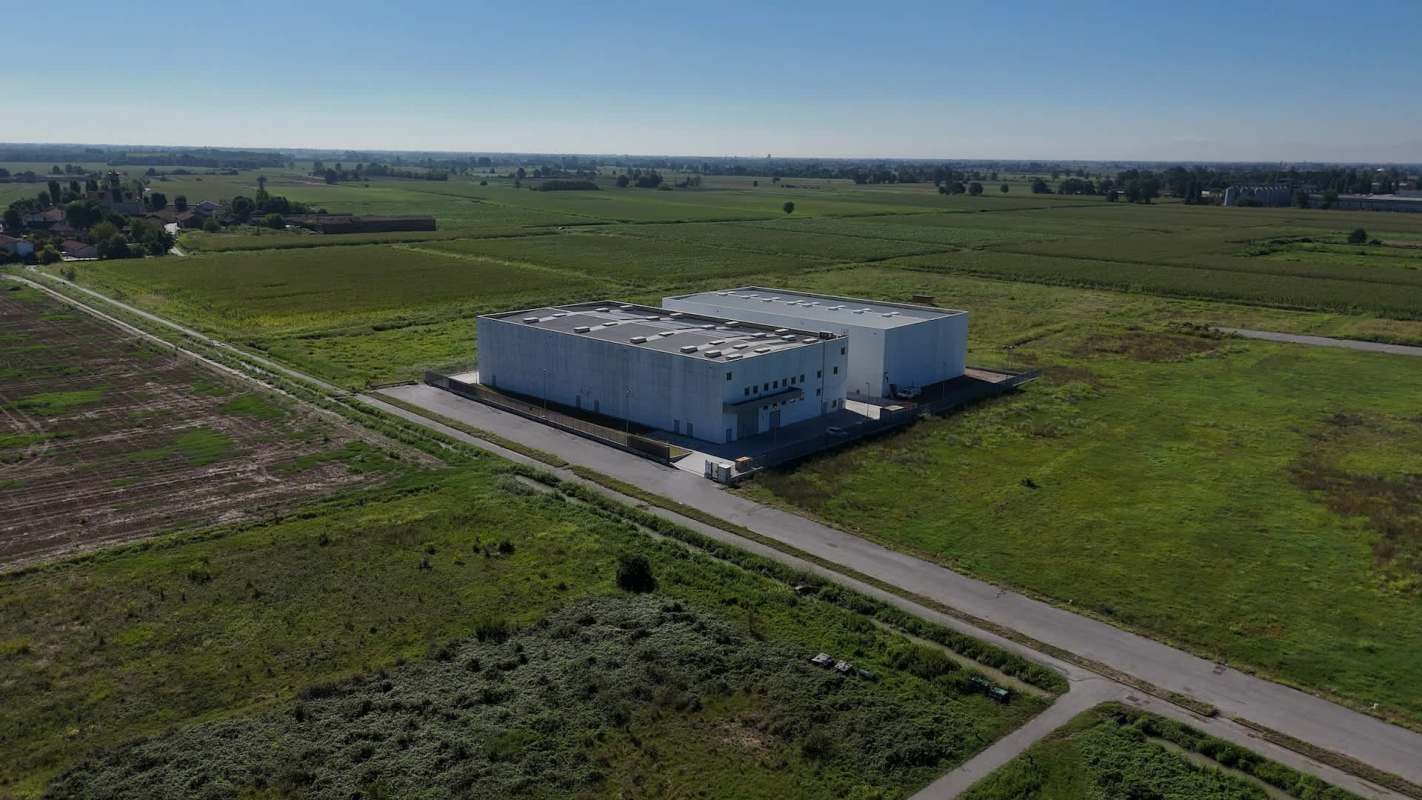
Communities across Ohio are sending a clear message: Residents do not want massive industrial projects approved without serious public scrutiny first.
In this case, that growing pushback could have important implications for both local communities and nearby ecosystems.
According to News 5 Cleveland, at least a dozen Ohio municipalities have either approved or begun considering temporary moratoriums on new large-load data center developments within the past three months.
The resistance stretches from Newburgh Heights to rural townships in Lorain County, where residents have raised concerns about the long-term impacts of large-scale digital infrastructure projects.
In response, state lawmakers introduced bipartisan legislation that would direct the Public Utilities Commission of Ohio and the Ohio Environmental Protection Agency to study the cumulative statewide effects of data center siting.
"This public concern has become a priority issue for us and could have a dramatic impact on Ohio and America's future," state Rep. Adam Holmes said, per News 5 Cleveland.
TCD Picks » Quince Spotlight
💡These best-sellers from Quince deliver affordable, sustainable luxury for all




Data centers play a major role in the modern economy, powering cloud computing, streaming services, artificial intelligence, and online storage. But critics say the newest large-scale facilities can also consume enormous amounts of electricity and water while creating fewer permanent jobs than many residents expect.
Across Ohio, community members have voiced concerns about strain on the power grid, groundwater depletion linked to evaporative cooling systems, constant noise from substations and backup equipment, and tax incentives that could shift infrastructure costs onto residential utility customers.
Those concerns come at a particularly sensitive time. Ohio is part of the PJM grid region, which has already warned of potential electricity capacity shortfalls in 2025 and 2026.
That frustration helps explain why local governments are increasingly pressing pause before approving new projects.
Through moratoriums, rejected applications, or packed public hearings, communities are asking for more time to evaluate whether proposed developments have realistic plans for water use, energy demand, noise reduction, and long-term public benefit.
Environmental advocates argue that slowing or reshaping poorly planned data center expansion could help protect groundwater supplies, avoid inefficient cooling systems, and reduce the need for rushed power-grid upgrades that households may ultimately pay for through higher utility bills.
The debate has also sparked calls for stronger statewide standards. Critics say companies should fully disclose projected water and electricity demand before permits are approved and should bear more of the infrastructure costs tied to their projects.
Others have proposed requirements for quieter equipment, more efficient cooling technology, local job commitments, and community-benefit agreements to ensure residents receive more lasting value from development.
Supporters of rapid expansion argue that data centers can attract investment, generate construction jobs, and help states compete for technology growth. But opponents say those benefits should not come at the expense of local resources or public oversight.
"People are tired of being told what's best for them, instead of being asked what's best for them," resident Nick McNamee said, per News 5 Cleveland.
For many Ohio communities, the issue is no longer whether development should happen at all, but whether it can be planned in a transparent, sustainable, and fair way.
"We demand a seat at the table in our own community, and we, above all, deserve answers," McNamee said.

Get TCD's free newsletters for easy tips, smart advice, and a chance to earn $5,000 toward home upgrades. To see more stories like this one, change your Google preferences here.






