


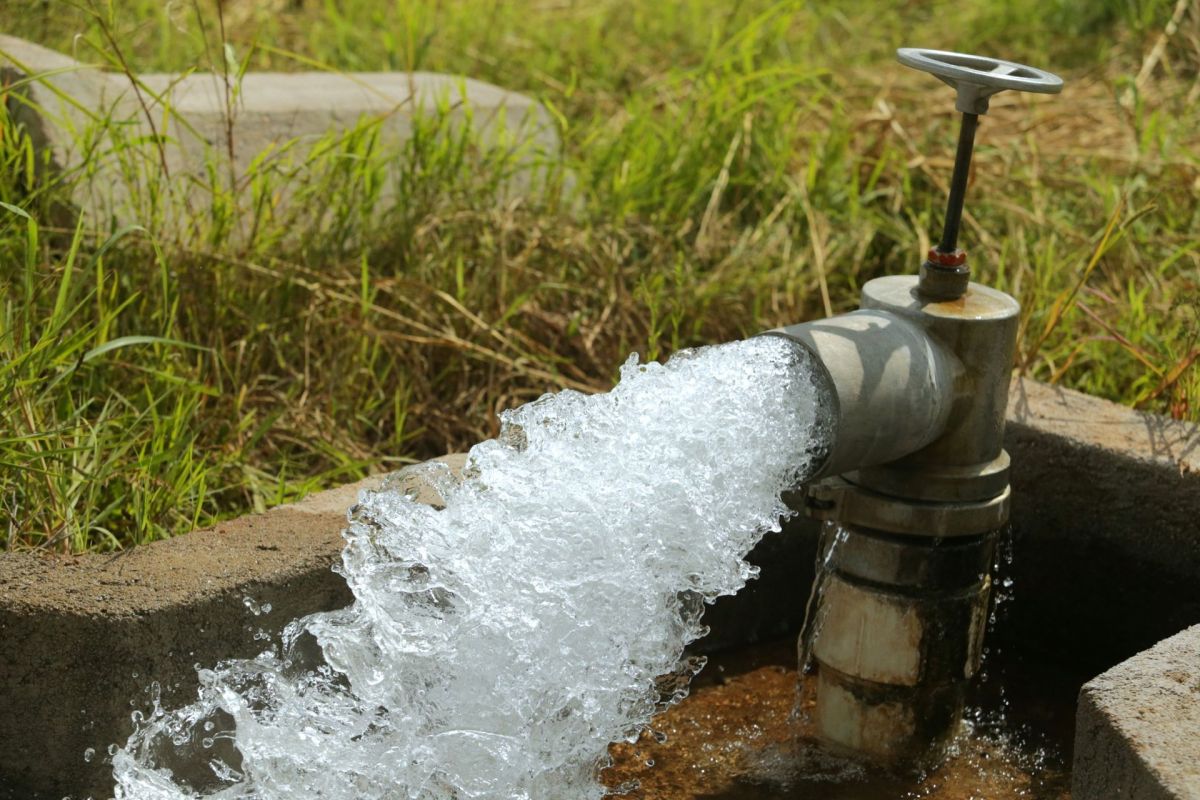
A group of Northeast Texas counties is pushing to create a groundwater conservation district to set rules for who can pump groundwater before rising demand puts local supplies at risk. Farmers and lawmakers say the effort could determine whether rural communities can continue to rely on affordable, dependable water close to home.
Here's what to know
Support is widespread, according to state Rep. Cole Hefner. Fourteen of the 15 counties have formally joined the proposed Northeast Texas Groundwater Conservation District, CBS19 reported.
Before it can take effect, the Legislature would have to approve the district during its 2027 regular session.
The area over the Carrizo-Wilcox Aquifer has no groundwater conservation district, meaning there is no local oversight in place for large-scale groundwater withdrawals as demand continues to rise.
"Our infrastructure is under a strain. There is no mechanism in place currently to protect or regulate our groundwater in East Texas, and so we saw a growing need for that here," said Hefner, a Republican who represents Mount Pleasant, per CBS19.
Under the proposal, regulation would apply to certain commercial groundwater users — cities, water districts, and large industries — but not to agricultural wells or individual residential wells.
TCD Picks » Quince Spotlight
💡These best-sellers from Quince deliver affordable, sustainable luxury for all




More background
Groundwater districts can play a major role in how communities manage growth and water supplies. Those decisions can shape whether water remains accessible for households, farms, and businesses — or grows more expensive if supplies tighten and communities are forced to look elsewhere.
That is especially important in rural areas, where many families and landowners rely on wells or small local systems instead of large urban utilities. When water demand rises without strong local oversight, the effects can manifest as strained infrastructure, increased competition for supply, and added pressure on agricultural operations.
"Water is the most essential thing for agriculture. It's one thing that we don't have any control over," said Jerry Moody, a Titus County farmer and Texas Farm Bureau District 5 state director, according to CBS19. "We don't have any control when it rains."
The Carrizo-Wilcox Aquifer is a major water source across East Texas, meaning decisions about who can draw from it can have effects far beyond a single county. Supporters of the district are framing the proposal as a way to give local communities more control before outside demand grows even stronger.
The debate also points to a broader challenge unfolding across Texas: how to prepare for population growth and industrial development without forcing rural communities to bear the consequences.
What's being done?
Advocates are trying to assemble enough support to take the plan to lawmakers.
CBS19 reported that Hefner said the proposed rules are to rein in commercial users — cities, water districts, and large industries — rather than homeowners or farmers with wells.
If the measure advances, it would create a local oversight framework in a region that supporters say has gone without one for too long.
"They're coming after our water. We have to do what we can to protect the water for our rural communities and our agricultural needs over in this part of the state," Moody said.

Get TCD's free newsletters for easy tips, smart advice, and a chance to earn $5,000 toward home upgrades. To see more stories like this one, change your Google preferences here.






