


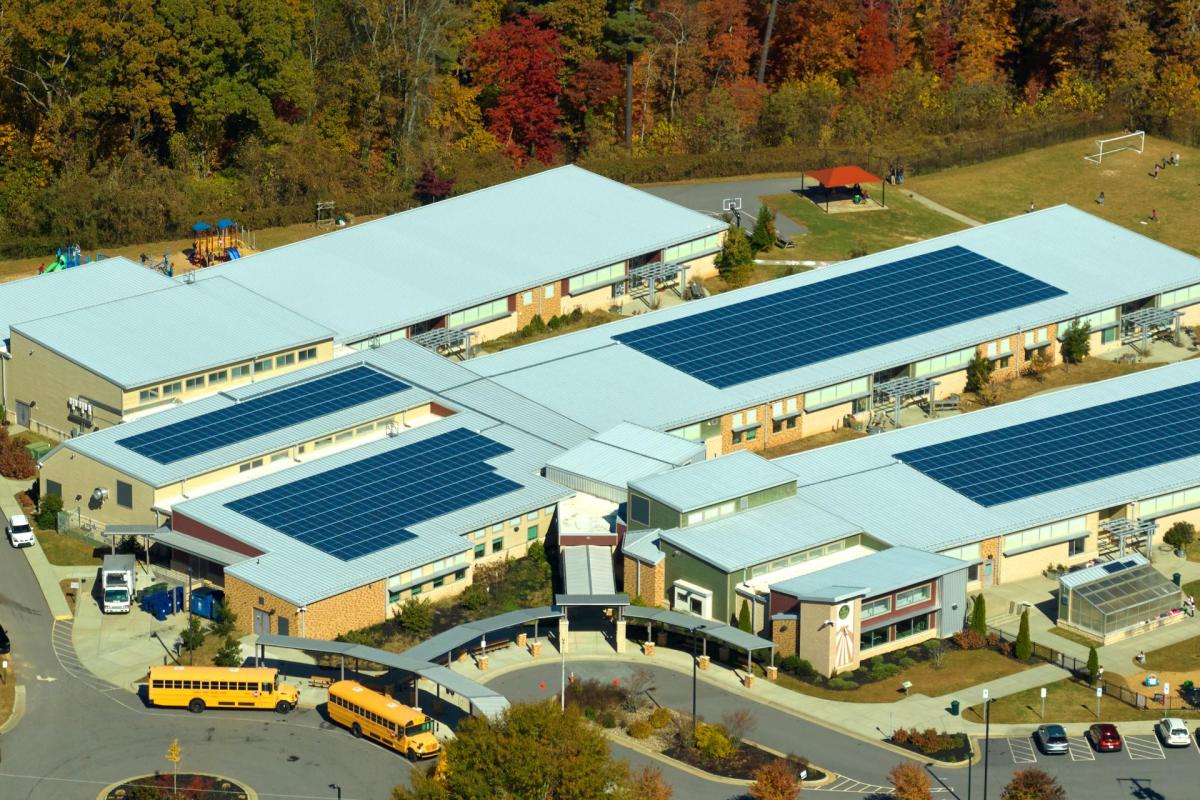
North Carolina's public schools may be home to one of the state's biggest overlooked clean energy opportunities: their rooftops.
A new report suggests those largely unused roofs could do much more than sit idle, helping schools lower power bills, feed surplus electricity back into the grid, and make campuses more useful during severe weather.
Here's what to know
A report from Environment North Carolina Research & Policy Center and Frontier Group found that North Carolina public school rooftops could accommodate more than 900 megawatts of solar capacity, PV Magazine reported.
In their first year, those panels could generate 1.6 terawatt-hours of electricity, about 1.2% of the state's annual electricity use and enough to supply nearly 150,000 typical homes per year.
The report says schools stand out as solar hosts in part because they are not occupied all day or throughout the full year, allowing electricity produced during quieter periods to be exported to the grid. It also says that adding batteries would let campuses hold onto that energy for extreme weather events, reinforcing their role as important community hubs.
The biggest county-level opportunities were identified in Wake County, where 204 public and charter schools could support an estimated 75 megawatts of rooftop solar, and Mecklenburg County, with an estimated 71 megawatts.
More background
A key barrier is North Carolina's ban on third-party power purchase agreements, or PPAs, which are a common lower-cost way for schools to finance solar installations. The report says the state's broader rooftop potential is also being limited by financing challenges and by local permitting and land-use rules. It adds that the PPA restriction grows even more consequential as the federal investment tax credit sunsets.
Those obstacles carry real financial stakes. The report says U.S. schools spend about $8 billion a year on energy. It describes solar as similar to buying 25 years of electricity up front, a setup that can shield school budgets from future rate increases. Dollars not spent on utility bills could instead go to teacher pay, classroom materials, or repairs to school buildings.
Save $10,000 on solar panels without even sharing your phone number Want to go solar but not sure who to trust? EnergySage has your back with free and transparent quotes from fully vetted providers that can help you save as much as $10k on installation. To get started, just answer a few questions about your home — no phone number required. Within a day or two, EnergySage will email you the best local options for your needs, and their expert advisers can help you compare quotes and pick a winner. |

To reach its findings, the report used federal data on school-building footprints across North Carolina and solar-modeling software from the National Laboratory of the Rockies. Altogether, it found public-school rooftop space equal to more than 1,300 football fields that could work for solar.
What can be done?
The report says "state officials should provide funding and policy support to incentivize local renewable energy and reduce roadblocks."
Its recommendations include reinstating net metering, creating a statewide grant and low-interest financing program for school solar, adopting community solar laws, reviewing utility rate schedules and interconnection practices, and building North Carolina's Clean Energy Portfolio above the current 12.5% baseline. It also points to the federal Renew America's Schools program, which has used $372.5 million out of an initial $500 million authorization.
For homeowners inspired by the cost-saving potential of North Carolina school rooftops, EnergySage can be a useful next step. With EnergySage's help, the average person can save up to $10,000 on solar purchases and installations. And EnergySage's solar map shows the average cost of a home solar panel system in each state, along with available solar incentives, helping homeowners find the best price and available savings.
More From EnergySage
💡Go deep on the latest news and trends shaping the residential solar landscape
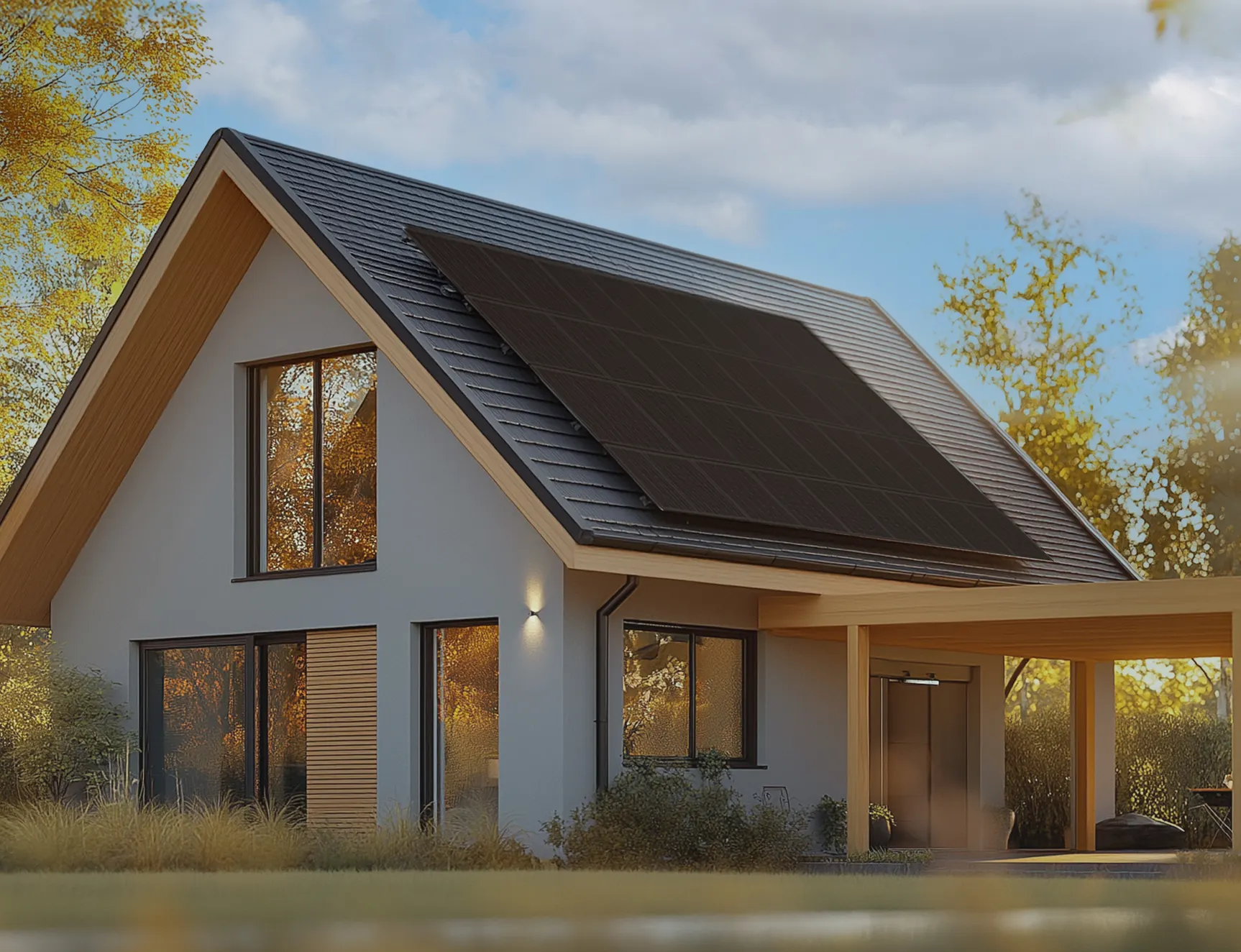
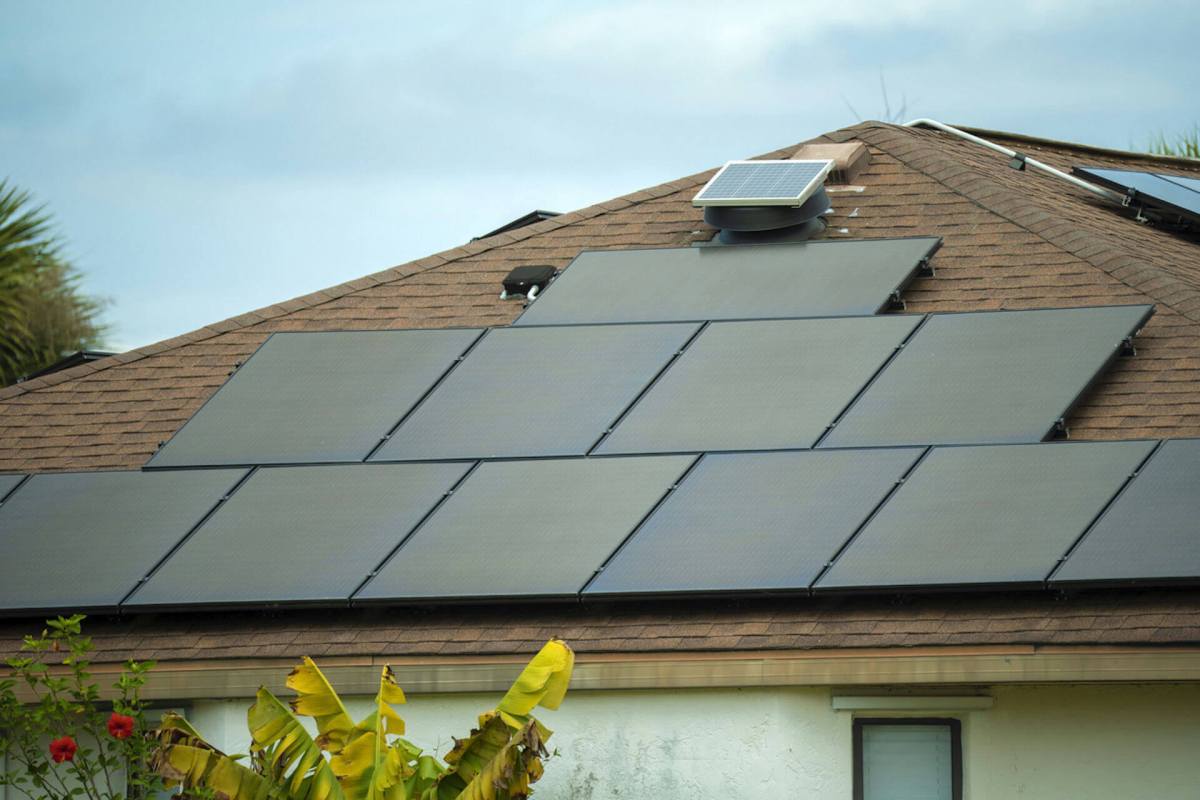
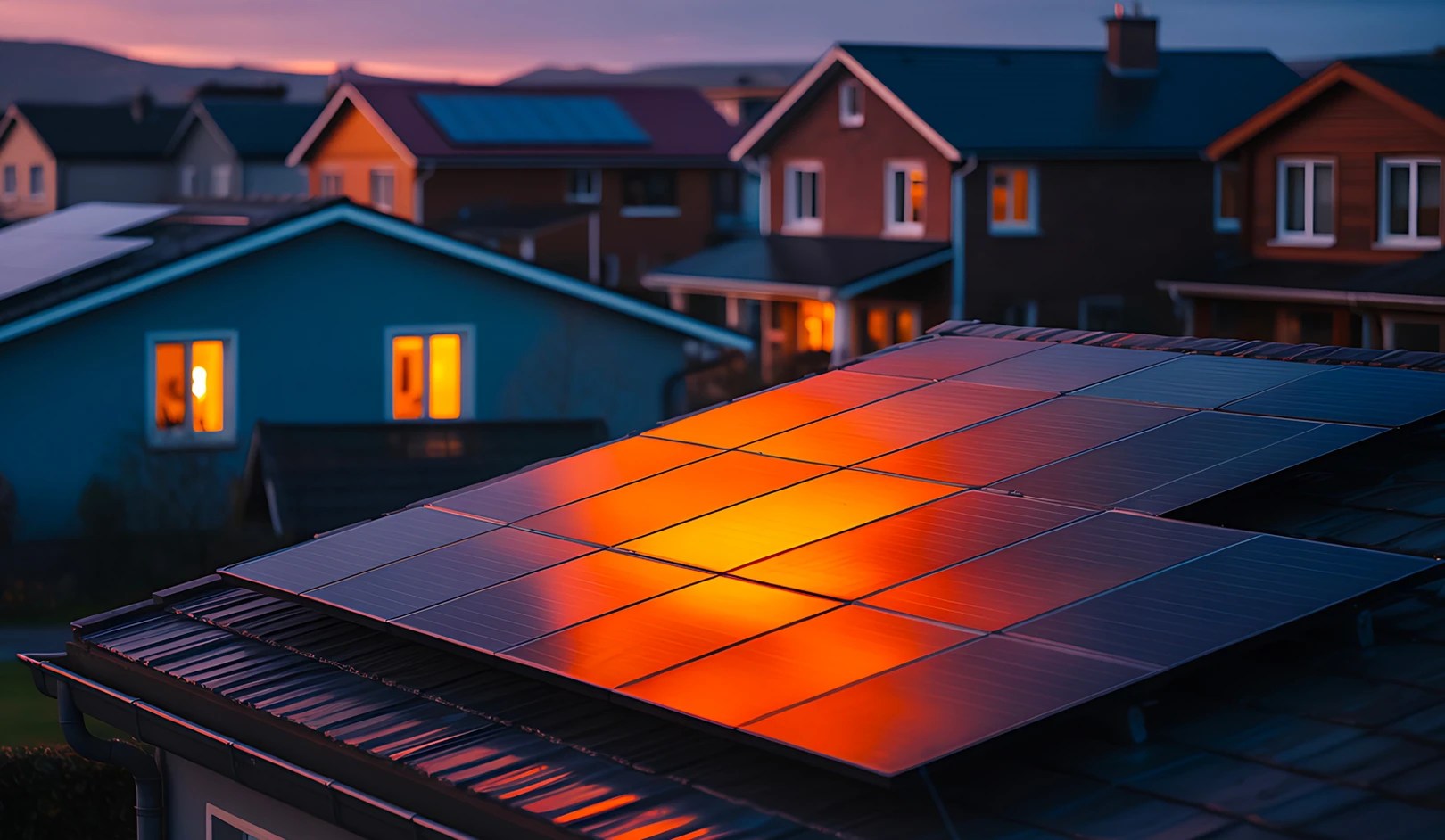

Batteries are part of that resilience picture too, with the report saying they can make solar more useful during extreme weather events. Adding battery storage to a solar setup is one of the best ways to protect your home during outages, save money on energy, and go off-grid. Homeowners can explore EnergySage for information about home battery storage options, including competitive installation estimates.
Overall, the report estimates that if North Carolina can resolve its financing and permitting barriers, public school rooftops alone could host more than 900 megawatts of solar — roughly 14% of the state's installed solar capacity in 2023.
Where can I learn more?
For a closer look, these stories explore how rooftop solar and batteries can lower costs and help keep the power on when the grid falters.
• In North Carolina, no-money-down solar panels will soon pair with batteries for home backup.
• In California, one city is turning rooftop solar into relief for low-income households facing rising bills.
• Across Ukraine, rooftop solar is becoming a lifeline as attacks disrupt power plants and fuel.
• After a devastating hurricane, solar panels keep lights on when the grid fails.
• In Connecticut, lawmakers gave home batteries a major advantage as solar incentives approach caps.

Get TCD's free newsletters for easy tips, smart advice, and a chance to earn $5,000 toward home upgrades. To see more stories like this one, change your Google preferences here.






