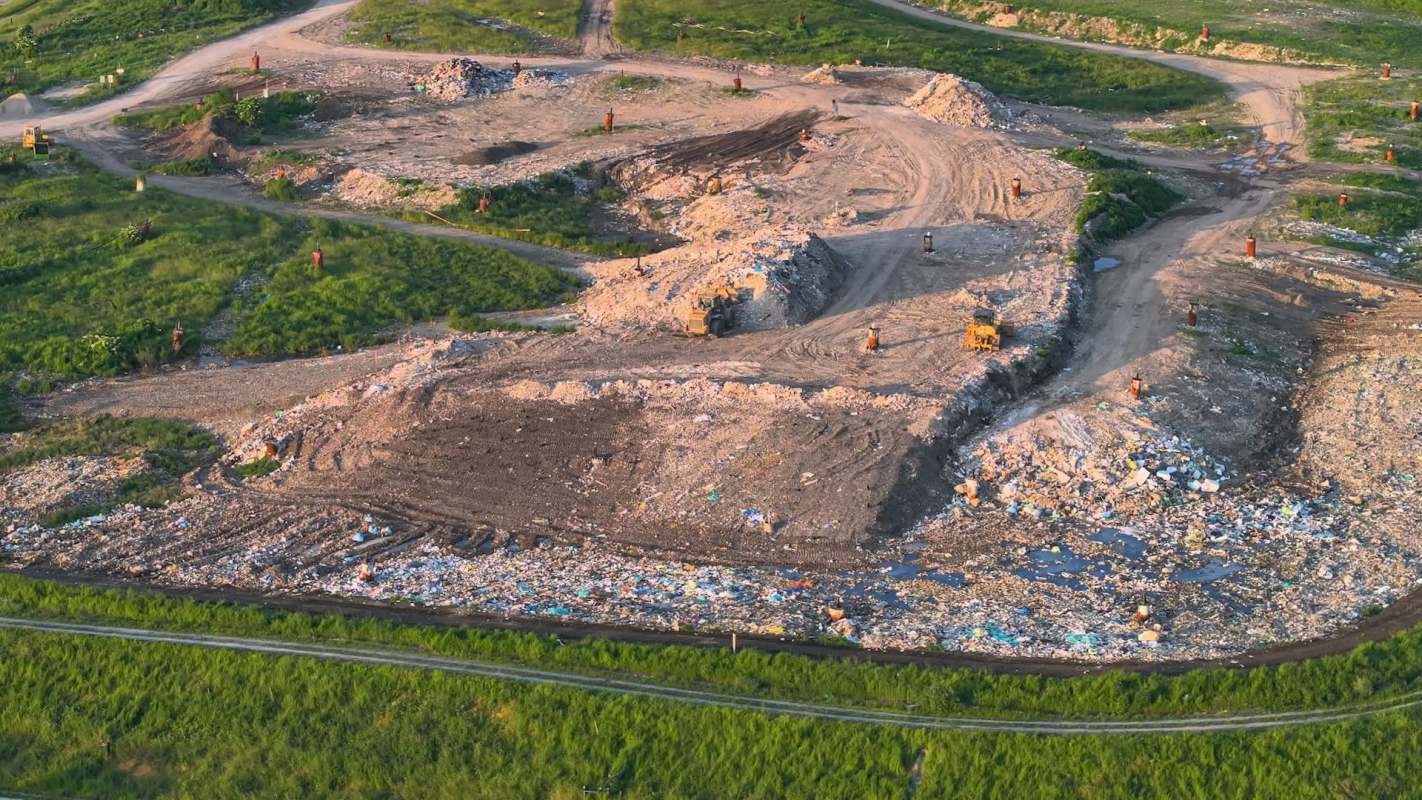
Hundreds of long-shuttered landfill sites in North Carolina still have not been investigated under a state program designed to review them, including locations near homes, schools, and daycare centers.
The delay has left families living beside old, unlined dumps with unknown conditions, which could mean years of potential exposure to methane, contaminated groundwater, and other possible health threats.
Here's what to know
According to a state audit cited by Carolina Public Press, North Carolina's Pre-Regulatory Landfill Program covers 688 former landfill sites that operated before January 1, 1983. As of June 2025, 534 of them — about 78% — were still waiting to be investigated.
Many of those unresolved sites are close to places where people live and gather, with 84% being within 1,000 feet of homes, schools, churches, and daycare facilities.
Katherine Lucas, public information officer for the North Carolina Department of Environmental Quality's Division of Waste Management, said the state uses a scoring system to decide which sites to address first.
"The risk score is based on several factors, including the presence and number of potential receptors, landfill size, and redevelopment potential," she said.
TCD Picks » Quince Spotlight
💡These best-sellers from Quince deliver affordable, sustainable luxury for all




Among the landfills that have been examined, about 24% showed methane at unsafe levels that created explosion risks. Investigators have also found contaminants including lead and trichloroethylene, which can damage the nervous system and, in some cases, raise cancer risk.
More background
North Carolina created the program in 2007 to deal with landfills that operated before modern permitting rules and engineering safeguards existed. Unlike current facilities, many of those older dumps were unlined and lacked systems meant to stop leaks and gas migration, posing pollution concerns for nearby neighborhoods and community institutions.
The audit said the backlog stems from limited funding and difficulty gaining access to privately owned properties.
"When access is not granted, investigations and cleanup activities can be delayed or prevented," Lucas noted.
Funding is a major constraint as well. After administrative expenses, the program has about $10.3 million per year available, while the average cost to fully investigate and remediate one site is about $1.9 million. Using those figures, the audit estimated it could take roughly 99 years to work through the remaining sites and reach a no-further-action status.
Lucas said, "The challenge identified in the audit is not that the funding source is expected to disappear, but that the available funding is substantially less than what would be needed to address all remaining sites more quickly."
What's being done?
The audit said the state should move faster on identifying and addressing hazards by improving both funding and property access. One possible change would be clarifying when officials can use "imminent hazard authority," which could allow the state to order action and obtain warrants to enter properties when owners refuse access. The department has not used that authority.
"The program evaluates each site individually and determines the appropriate regulatory approach based on site conditions and the level of risk presented," Lucas observed.
The department is also looking at other ways to improve access to privately owned sites, and the audit suggested adopting a clearer strategy for cases that stall while possibly giving priority to locations where owners are willing to cooperate.
In its response to the audit, the department said it agreed with the findings and planned to act.

Get TCD's free newsletters for easy tips, smart advice, and a chance to earn $5,000 toward home upgrades. To see more stories like this one, change your Google preferences here.