


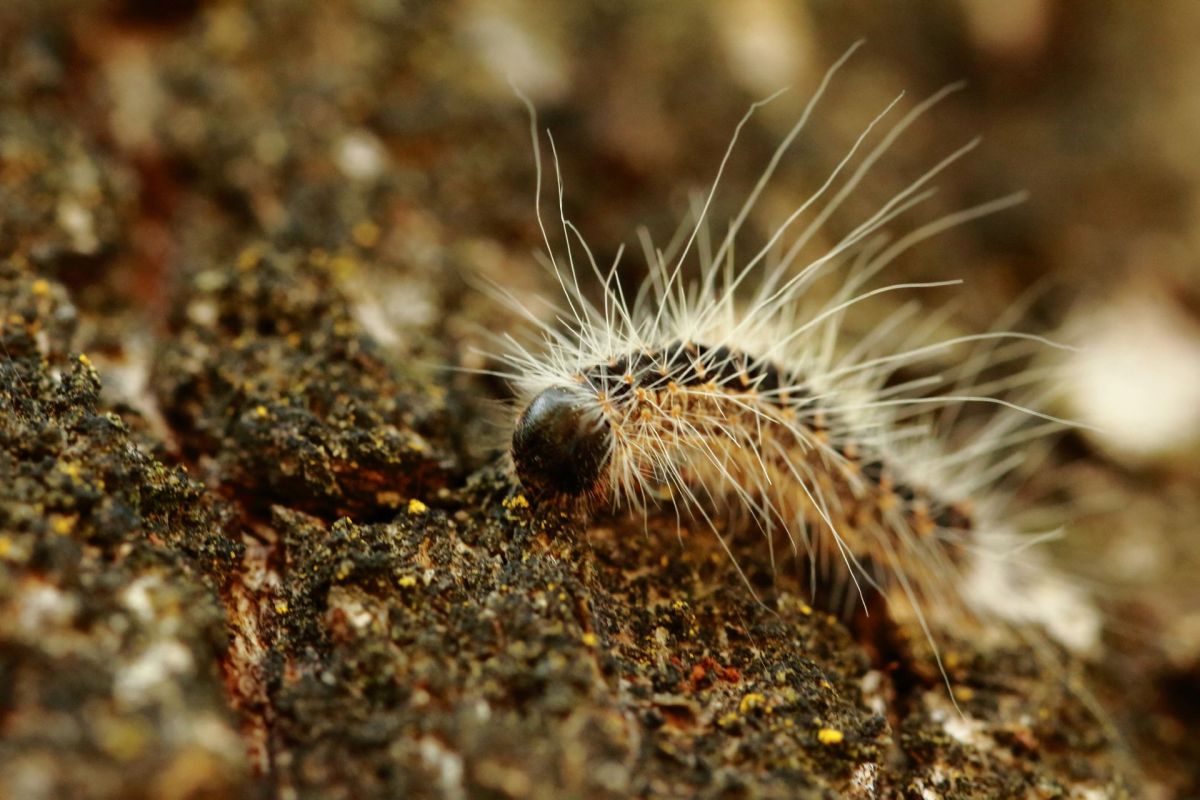
Some Berlin parks have become no-go zones while Germany works to rein in an outbreak of toxic oak processionary moth caterpillars.
The outbreak is affecting daily routines and creating a public health concern.
What's happening?
Officials across Germany are dealing with a surge in oak processionary moth caterpillars.
According to CNN, the caterpillars' tiny toxin-laced hairs can trigger skin, eye, and breathing reactions, as well as hives and, in severe cases, anaphylactic shock.
Berlin has been hit especially hard, with concentrated outbreaks in Charlottenburg-Wilmersdorf, Spandau, and Friedrichshain-Kreuzberg. In Spandau, officials have urged residents to steer clear of the 39-acre Wilhelm-von-Siemens-Park, as well as nearby schools, daycare centers, and streets. Across the city, red-and-white tape now marks infested areas in popular green spaces.
At Jungfernheide, Berlin's second-largest park, crews in full protective gear have been using vacuum equipment — similar to that used for asbestos cleanup — from cherry pickers to pull nests from branches about 65 feet above the ground, according to CNN.
TCD Picks » Quince Spotlight
💡These best-sellers from Quince deliver affordable, sustainable luxury for all




A city official overseeing the work told CNN that roughly 2,000 trees in the park are affected and that there is "no way to eradicate the problem," with crews instead focused on limiting harm. One crew needed a full day to clear a single tree that held 800 nests.
Why does it matter?
Parks are where people cool off, exercise, gather with children, and find relief during hot weather, but those spaces become less usable when simply walking by a tree can expose someone to airborne toxic hairs.
As CNN noted, the hairs can become airborne and travel on the wind. Even the silky white nests left on oak trees can retain more of the irritants, meaning the risk can persist beyond direct contact with the caterpillars themselves.
Urban nature expert Derk Ehlert said on Berlin's city website that sightings are up this year compared with previous years. The species, once concentrated farther south in Europe, has been spreading northward, and the EPS-Radar tracking site says its growing prevalence is tied to hot, dry weather, the changing climate, and biodiversity loss.
What's being done?
Rather than trying to eliminate the species outright, officials are treating the situation as a containment effort. In Berlin, crews are removing nests first in the busiest parts of affected parks, especially from trees near walking paths, while large sections remain cordoned off.
CNN reported that authorities are also advising residents to reduce exposure by washing clothes thoroughly after park visits and keeping windows and doors shut when possible.
Outside government, residents are also trying to fill information gaps. Britta Wunderwald, designer of the EPS-Radar outbreak map, said she created the tool after a friend's son experienced symptoms associated with exposure.
"I was wondering if I can go outside, and where a safe area to have a picnic was, and then I saw there is no actual map for this year," Wunderwald told CNN.
She added: "I hope that next year it's getting taken more seriously (by the council), that they act in advance."

Get TCD's free newsletters for easy tips, smart advice, and a chance to earn $5,000 toward home upgrades. To see more stories like this one, change your Google preferences here.






