


Britain's hotter summers are no longer just an inconvenience. They're increasingly becoming a public health emergency.
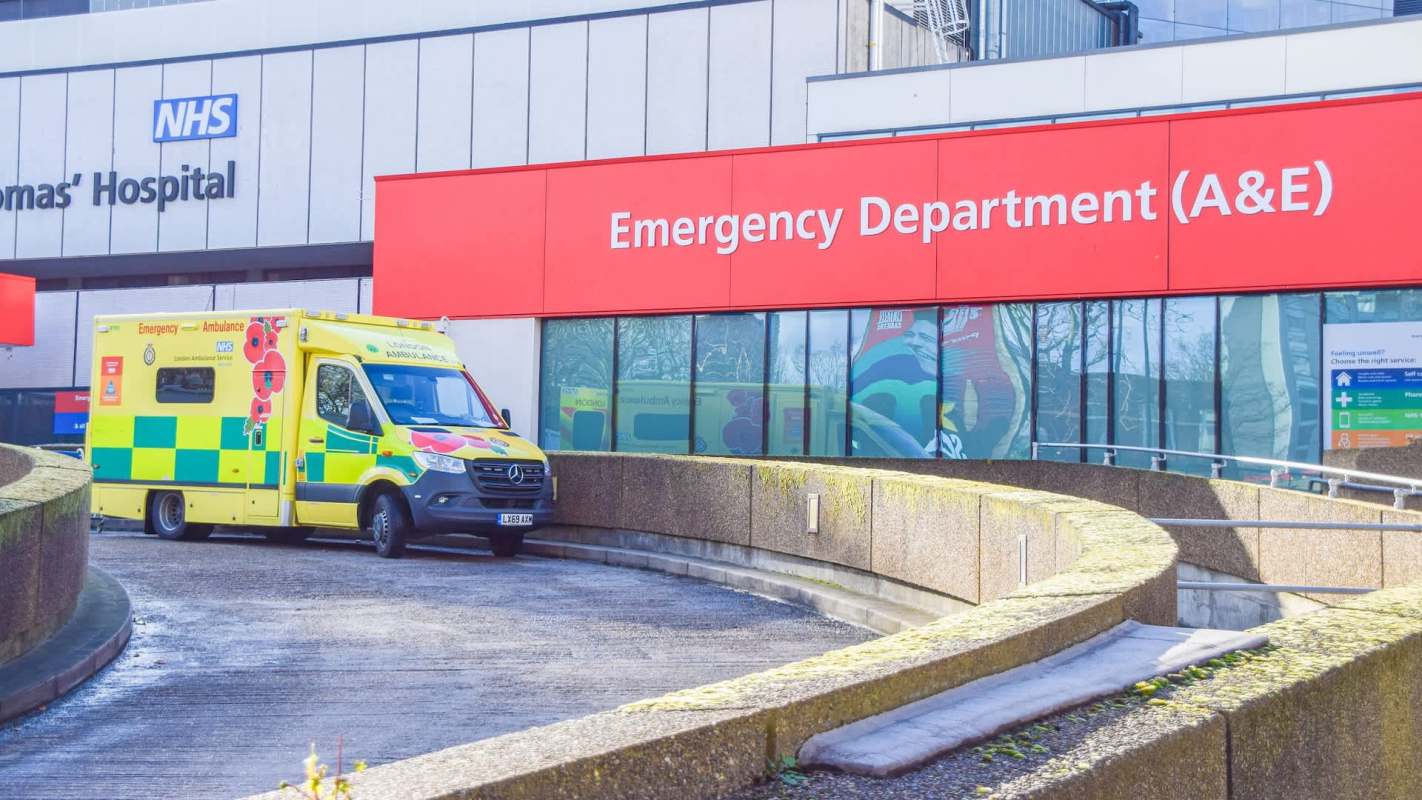
Five heatwaves this summer pushed England's health system to record demand across emergency departments, ambulance services, and the NHS 111 advice line.
Here's what to know
This became the NHS's busiest summer yet, with unusually high temperatures sending more people to seek urgent care, according to The Guardian.
NHS England said A&E attendances in England reached 7,268,445 across June, July, and August, or nearly 7.3 million visits over the three-month period. That was about 240,000 more than during the same stretch in 2025 and nearly 1 million more than in the summer of 2022.
The increase wasn't limited to emergency departments. NHS 111 handled just over 3 million calls during the same period, more than 100,000 above the same period in 2025, while ambulance services recorded 2.46 million callouts, up from 2.32 million in the same period in 2025, NHS England said.
Sarah Woolnough, chief executive of the King's Fund health think tank, said: "Extreme heat is now an NHS pressure point, not just a weather story."
TCD Picks » Quince Spotlight
💡These best-sellers from Quince deliver affordable, sustainable luxury for all




More background
Heat can worsen dehydration, respiratory illness, cardiovascular stress, and complications for older adults, infants, and people with chronic conditions. When those risks rise across an entire population at once, emergency systems can quickly be overwhelmed.
Woolnough also warned, "The NHS is now facing a twin crisis, with summer joining winter as a major pressure on services and leaving little room for staff and the system to recover between peak periods."
What's being done?
As Yvette Cooper, the health secretary, put it, "The reality is that extreme demand is no longer confined to winter."
Professor Frankie Swords, NHS England's national medical director, added, "Despite a scorching summer, which has tested the NHS like never before and seen demand rocket to record levels, staff have risen magnificently to the challenge to deliver for patients."
Where can I learn more?
Britain's record NHS summer was part of a wider pattern. Across the UK and beyond, prolonged heat has triggered health alerts, overwhelmed hospitals, and exposed how quickly extreme temperatures can strain public systems.
• In England, nationwide health alerts were issued as soaring temperatures linger underscored risks of serious illness.
• In Karachi, hospitals and morgues were overwhelmed as a brutal heat wave pushed systems past capacity.
• In southeast Australia, the most significant heatwave in years threatened health far beyond vulnerable groups.
• In Brazil, an extreme winter heatwave showed dangerous temperatures can arrive far outside summer.
• Across the UK, flooding and 80 mph winds showed climate shocks rarely hit alone.
Heat can no longer be treated as a seasonal inconvenience. For the NHS and other public services, extreme weather is becoming a year-round test of readiness.

Get TCD's free newsletters for easy tips, smart advice, and a chance to earn $5,000 toward home upgrades. To see more stories like this one, change your Google preferences here.






