


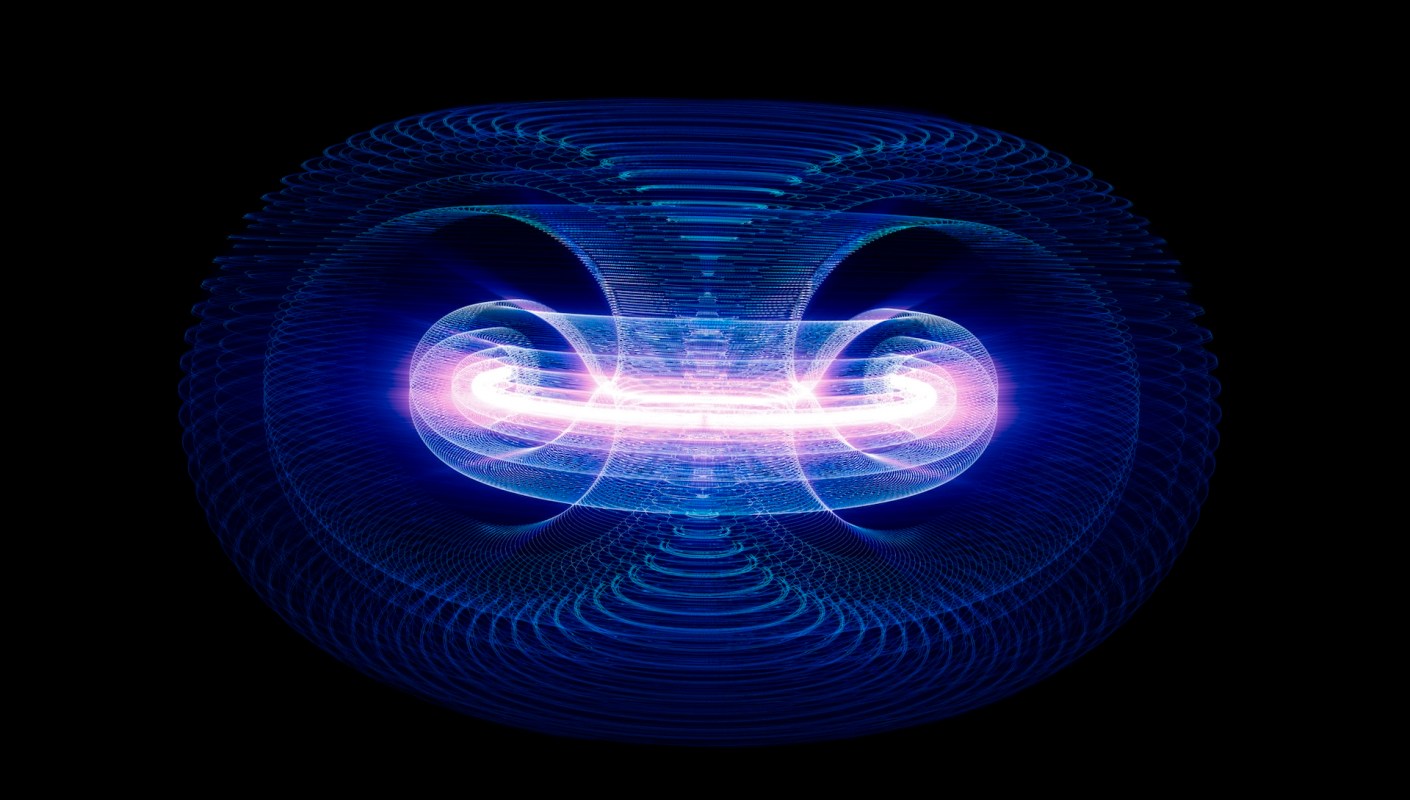
A team of nuclear experts is trying to build a better fission-fuel trap, enabling safer, more durable next-generation nuclear reactors.
The goal is to increase the metallic fuel's lifespan by keeping it positioned away from the reactor's cladding. The contact happens when the fuel swells during operation.
Eliminating those touchpoints will maximize energy value and reduce waste, according to a news release from the University of Mississippi, where experts are involved with the research.
"The idea is, can we trap the fission products within the metallic matrix itself before they reach the cladding?" Ole Miss associate professor Samrat Choudhury said.
Cladding is a crucial layer that keeps radioactive materials sealed from the reactor. The hostile environment eventually causes it to degrade and turn brittle as the fuel swells and connects, shortening its life. The problem is more profound with metallic fuels.
The researchers think that forming small uranium-nitride particles in the fuel will essentially trap fission gases and other by-products. Testing last year found that the nanoparticles worked as intended.
The benefits extend reactor life while also limiting nuclear waste accumulation, according to the experts.
"If you can leave the fuel longer in the reactor and get all the energy that can be extracted from it, then the rate at which you are accumulating spent fuel will slow down," Indrajit Charit, an expert from the University of Idaho, said, per the Ole Miss release.
Nuclear fission plants split atoms in an extremely hot environment to create energy, making about 20% of America's electricity. They are cleaner than coal-burning energy sources, because the reactions produce near-zero air pollution. Fumes from coal and other nonrenewables lead to harmful smog, according to the Nuclear Energy Institute.
Champions of nuclear power see the energy source as an almost limitless power supply that can help to meet surging data center power demand while using less land. The electricity draw is contributing to energy costs that are rising faster than inflation, according to NPR and other reports.
TCD Picks » Quince Spotlight
💡These best-sellers from Quince deliver affordable, sustainable luxury for all




|
Should it be illegal to throw away old clothes?
Click your choice to see results and speak your mind. |
 Heck yes 👍
 There are plenty of misconceptions about atomic power, especially the waste. The U.S. Department of Energy reported that it's in the form of a solid pellet, not ooze-filled drums. About half of an Olympic-size swimming pool's worth is made each year.
But watchdogs noted that the waste is a long-lasting, extreme hazard that needs to be safely stored. That's No. 1 on a list of 10 concerns spotlighted by Green America. Well-documented — yet rare — nuclear accidents, weapons proliferation, and high development costs are among the other points.
As for expenses, New York financial advisory firm Lazard reported that solar and wind are the cheapest and fastest energy sources to develop to meet grid demands.
The fuel-trap researchers think that extending fuel lifespans can address many of the worries about nuclear energy. Next, they plan to test nanoparticle-laced fuel in real-world conditions to make certain it's safe.
"If we can reduce the waste substantially, adopting nuclear energy is going to get a lot easier," Choudhury said in the Ole Miss release.
Staying up to date on the developments can help you make informed decisions about emerging electricity sources, including investment strategy. For its part, home solar remains one of the best ways to gain energy independence by lowering or even eliminating your utility bill. The Cool Down's Solar Explorer can guide your way with curated quotes, installer recommendations, and other information.

Get TCD's free newsletters for easy tips to save more, waste less, and make smarter choices — and earn up to $5,000 toward clean upgrades in TCD's exclusive Rewards Club.
Cool Picks





