


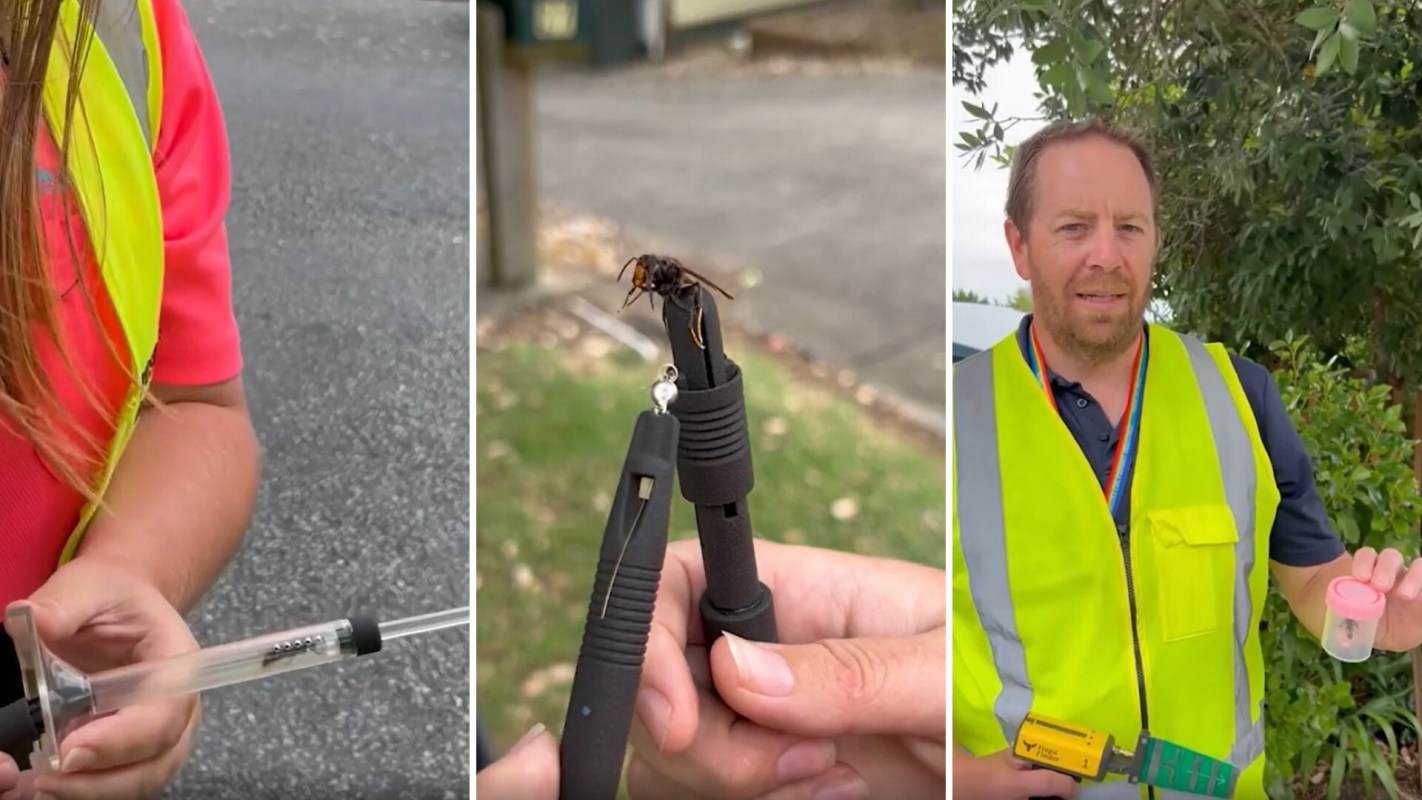
Sometimes the most effective pest control can sound like something out of a spy thriller. In New Zealand, officials have put trackers on hornets so the insects can lead them back to hidden nests, allowing the source to be removed before it spreads.
It is a striking example of how far countries may need to go when invasive species — often moved around the world through human trade and travel — threaten local ecosystems and public safety.
What happened?
A post on Reddit recently brought the tactic renewed attention. The goal is to find the colony rather than deal with a single hornet. To do that, the insect is restrained long enough for a tiny tracker to be attached, then its movements are monitored to see where it returns.
The post is captioned, "New Zealand takes biosecurity very seriously. This is how they track and eradicate an invasive species of hornet as it tries to establish a foothold."
(Click here if the embedded video does not appear.)
The thread also referenced an example of New Zealand spending about $300,000 to eliminate one invasive stoat. "It was spotted on a trail camera," the OP wrote. "So they sent in a small army of dogs, trapping experts, and helicopters to find and eradicate it so they could protect the native kakapo (parrot) population."
TCD Picks » Quince Spotlight
💡These best-sellers from Quince deliver affordable, sustainable luxury for all




Island ecosystems such as New Zealand's can be especially vulnerable to outside predators and pests, which may encounter few natural checks once introduced.
Why does it matter?
Hornets are more than a nuisance. Invasive stinging insects can disrupt food webs, prey on beneficial insects, threaten pollinators, and create hazards for people who work or spend time outdoors. If nests are allowed to grow unchecked, they can also become expensive and difficult to remove.
Species like these generally do not cross huge distances on their own; they are often moved accidentally through shipping, cargo, travel, and other human activity.
Biosecurity is not just an abstract conservation issue. It can affect backyard safety, agriculture, biodiversity, and public spending. Catching an invader early is usually far cheaper — and less damaging — than trying to contain a full-blown infestation later.
What's being done?
Attaching trackers helps officials identify the nests themselves, which are the actual source of the problem.
That fits within a broader biosecurity mindset: respond quickly, trace the spread, and remove threats before they become permanent. For countries with sensitive ecosystems, that kind of vigilance can help protect native species that evolved without these predators.
As the post put it: "Design a jig for catching and holding the hornet while a tracker is attached. Yes a tracker on a hornet. Follow the hornets to their nest. Destroy the nest. Then repeat until they are gone."

Get TCD's free newsletters for easy tips, smart advice, and a chance to earn $5,000 toward home upgrades. To see more stories like this one, change your Google preferences here.






